
At a pivotal meeting in Copenhagen, hosted under Denmark’s EU presidency, migration ministers from across the European Union convened to intensify efforts to tighten asylum policies and boost deportations of rejected asylum seekers. This gathering reflects a significant policy shift influenced strongly by Germany’s U-turn from its 2015 open-door refugee stance to a much tougher migration approach under Chancellor Friedrich Merz.
Denmark, a steadfast advocate for more rigorous return policies, has taken a leading role in championing ‘return hubs’—facilities outside the EU where asylum applications would be processed and rejected applicants held pending repatriation. Danish Migration Minister Kaare Dybvad Bek indicated that this once-controversial idea is now gaining broader support among EU countries, including Sweden, which is keen on exploring such solutions despite some diversity in opinion.
The meeting, though informal and without binding decisions, underscores a growing consensus toward ‘Fortress Europe’ tactics, including proposals for expedited deportation and externalizing the asylum process. This trend also mirrors initiatives seen in other member states, such as Poland’s call to suspend asylum rights temporarily, Italy’s establishment of asylum centres in Albania, and Germany’s return to border controls after years of open policies.
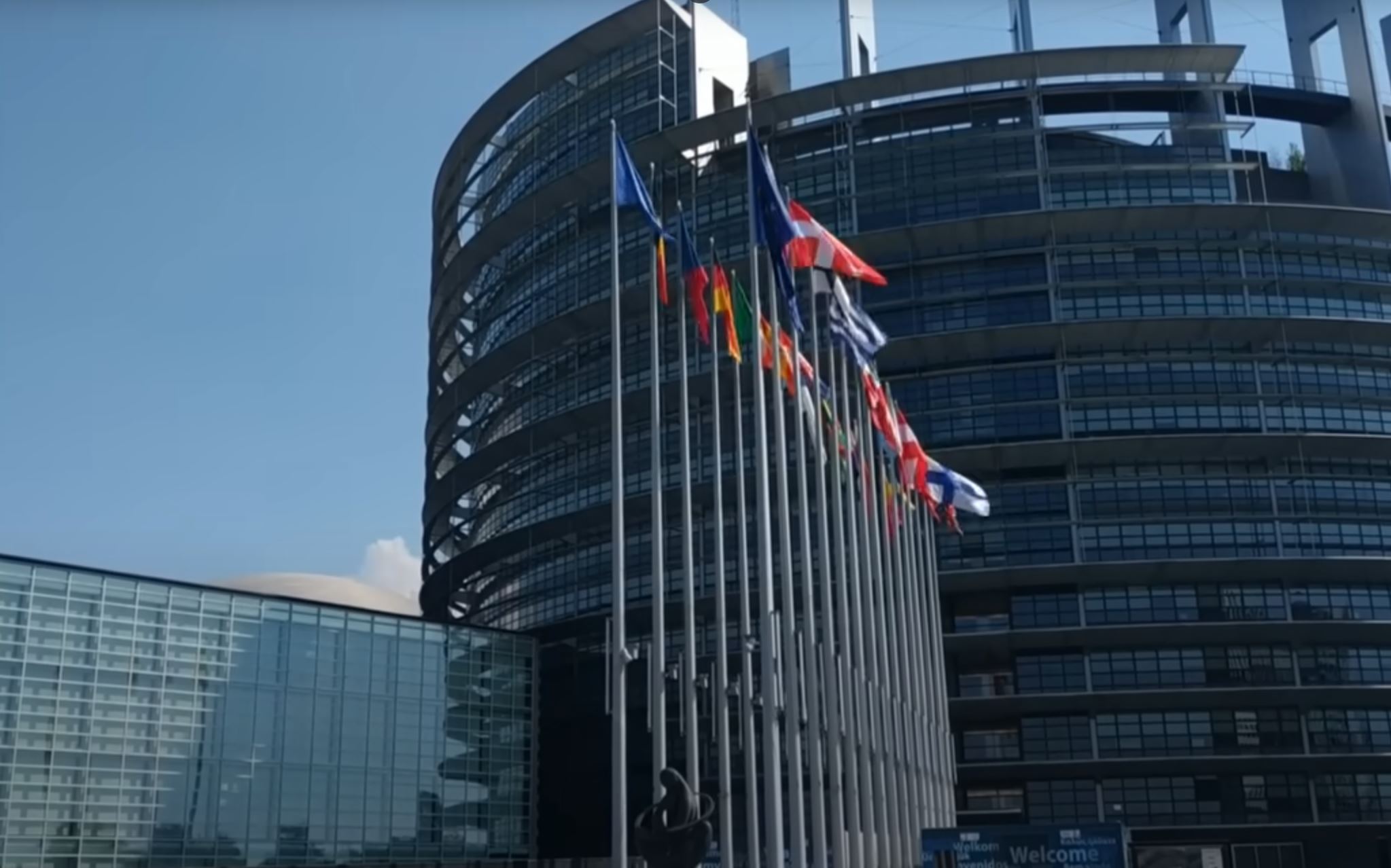
From the Nordic perspective, while Sweden’s Migration Minister Johan Forssell did not attend personally, the nation is represented and engaged, signalling alignment with calls for innovative solutions that balance humane treatment with stricter enforcement. Finland, also among 15 EU countries urging enhanced partnerships with countries of origin and transit, supports collaborative approaches to stem migration upstream, reflecting a wider Nordic inclination toward structured immigration management.
This Copenhagen meeting comes amid rising right-wing political pressure across Europe and intensified public debate about security, integration, and the scale of migration. With almost half of asylum applications rejected in the EU and only a quarter of rejected applicants returned to their home countries, the ministers emphasize the urgency for change.
In summary, the Copenhagen talks mark a critical juncture in EU migration policy. They highlight a collaborative but toughened stance, spearheaded by Denmark and Germany, to reshape asylum procedures, fortify borders, and promote return hubs—measures that will likely define Europe’s migration landscape in the years ahead.