
A Sleeping Giant Awakens
Not so long ago, Denmark’s defence industry marched in near silence—its high-tech capabilities largely unnoticed and demand for bullets and gunpowder fading into peacetime routines. But a tectonic shift is underway. With sweeping increases in defence budgets across Europe and a new urgency within NATO, Danish firms are moving to the frontlines, poised to hire hundreds and transform the nation’s industrial landscape.
The New Arms Race for Talent
Several leading companies are racing to grow their workforce to meet surging demand—both at home and on the world stage. Danish industry heavyweights and nimble disruptors alike are scaling up at an unprecedented pace:
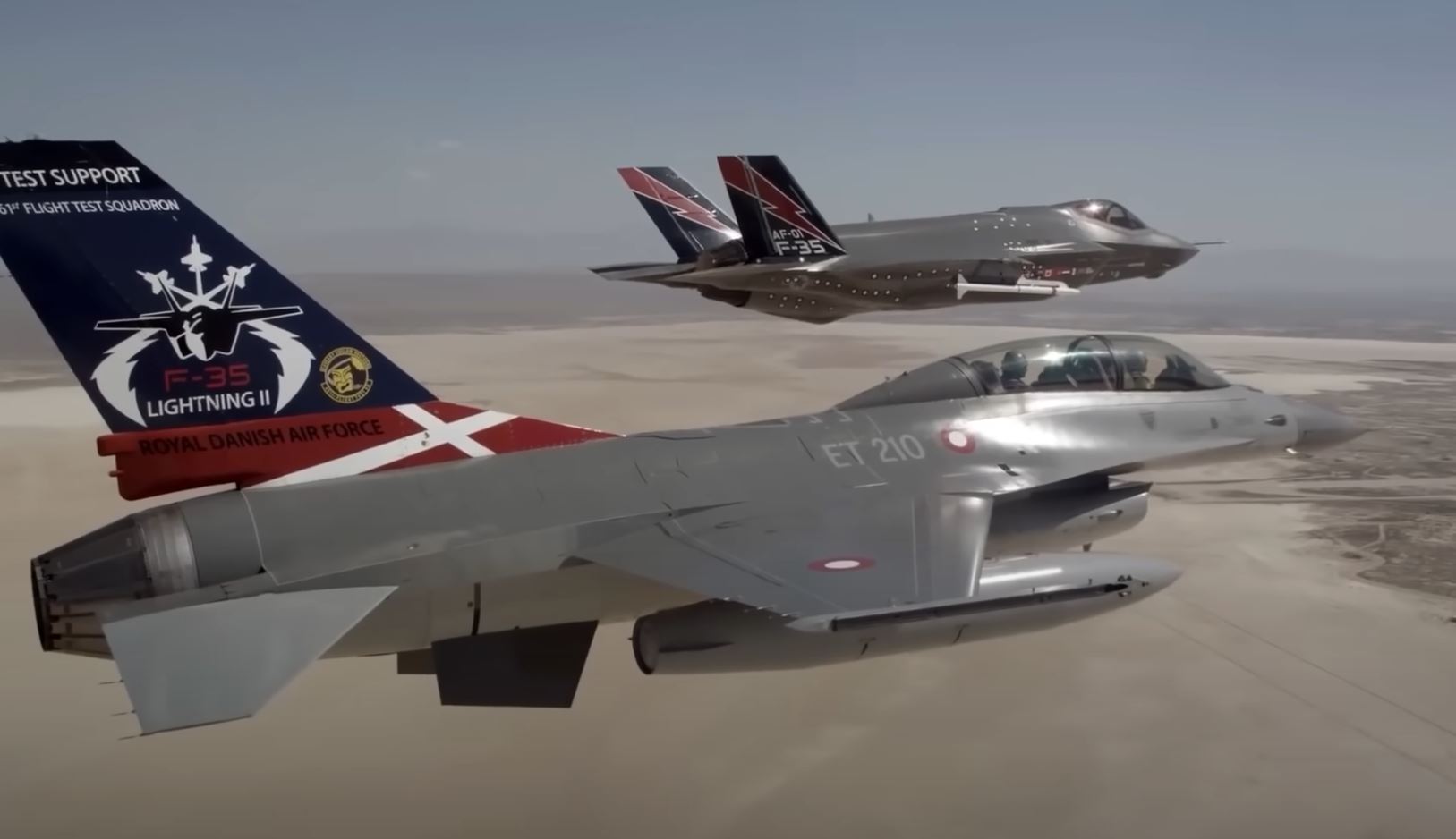
- Terma: Known globally for providing electronics and composite parts for F-35 fighter jets, Terma is targeting up to 250 new hires in 2025. This comes on top of its base of roughly 2,000 employees, with 80 positions currently open. The company is investing in roles ranging from system engineers and data scientists to software developers, with onboarding programs making integration swift and seamless for newcomers.
- Weibel: The radar specialist is in the midst of spectacular growth. After operating with just 140 staff five years ago, Weibel aims to approach 600 employees within the coming year, buoyed by high-profile contracts—including a historic DKK 500 million deal for advanced XENTA radars. The firm has exported cutting-edge Doppler radar technology to more than 40 countries and expects this expansion trajectory to continue as drone detection and air surveillance become NATO priorities.
- Integris Composites: A stalwart in armour systems, Integris is ramping up fast. Its production team in Denmark has grown more than threefold since 2022, now supporting both innovative management hires and blue-collar growth. Workforce projections call for another 50% expansion, from 100 to 150 employees, to fulfill soaring orders for ballistic protection for people and vehicles. The appointments of leading scientists and project managers are expected to drive further innovation and efficiency in R&D and production.
- MyDefence: From 28 employees prior to Russia’s 2022 invasion of Ukraine to 84 today, MyDefence has more than doubled in size as global demand for its counter-drone systems skyrockets. The company’s robust earnings are matched by its ambitions: staff numbers are expected to rise even further in 2025, especially in development and production, reflecting growing interest from sectors like civilian infrastructure and critical assets threatened by drones.
- Systematic: As global militaries digitize their operations, Systematic’s role in designing battlefield IT systems has become crucial. The company plans to hire 200–230 new employees this year, after recently bringing on more than 200 and dozens of students. This tech surge is attributed to a notable spike in defence contract wins since the Ukraine crisis, with recruitment spanning software, cyber, and operations support for clients from Denmark to NATO allies.
“Uncertainty Creates Jobs”
This hiring blitz is less about sabre-rattling and more about adaptation in the face of uncertainty. Industry leaders point to a new strategic reality: the ongoing war in Ukraine and geopolitical instability have forced a re-evaluation of Europe’s defence readiness. Where once there was caution and strategic ambiguity, now there is investment and urgent action.
HR directors and executives across the sector confirm that talents are being sought for everything from advanced software to hands-on manufacturing—roles that bridge mission-critical defence work and innovative technologies. Even firms like Integris and MyDefence note new interest from civilian sectors seeking security upgrades against emerging airborne threats like drones.
The Modern Defence Workforce: Ready for the Future
- Emphasis on Technological Skills: With AI, cybersecurity, and high-precision manufacturing at the core of defence innovation, Danish firms are actively competing with the commercial tech sector for talent. Specialized recruiters, proactive workforce planning, and employer branding efforts all reflect a broader trend: these are not just jobs—they are mission-driven careers that offer stability and global impact.
- Onboarding & Development: Leading employers such as Terma and Systematic highlight robust onboarding programs and support for continued learning—preparing employees for both the technical demands and the culture of collaboration necessary for modern defence projects.
A New Chapter for Danish Industry
This unprecedented surge in defence hiring marks a turning point: in the wake of geopolitical disruption, Denmark’s once quiet sector is accelerating into a high-stakes global player on both the technological and employment fronts. While the future is uncertain, one thing is clear: opportunity is exploding for those ready to contribute to a safer Europe and a revitalized Danish industry.