
Denmark’s recent defence agreement with Ukraine—allowing Ukrainian arms production on Danish soil—has triggered sharp condemnation from Russia, igniting new geopolitical tensions in Northern Europe. Russian Ambassador to Denmark, Vladimir Barbin, issued a stern warning, calling the move “unprecedented among NATO member states” and accusing Denmark of escalating the Ukraine conflict into a broader NATO-Russia confrontation.
A New Frontier in Defence Cooperation
The landmark agreement, announced by Danish Defence Minister Troels Lund Poulsen, outlines plans to invite three to five Ukrainian defence companies—potentially including drone manufacturers—to establish operations in Denmark within the next six months. Production is likely to centre around a new drone development hub near Odense.
“We need to be ambitious,” Poulsen said in an interview with Berlingske. “It’s not enough to just invite one company. This is a long-term commitment.”
The minister confirmed that the weapons produced in Denmark will be used by Ukraine in its ongoing defence against Russia’s invasion, now entering its third year.
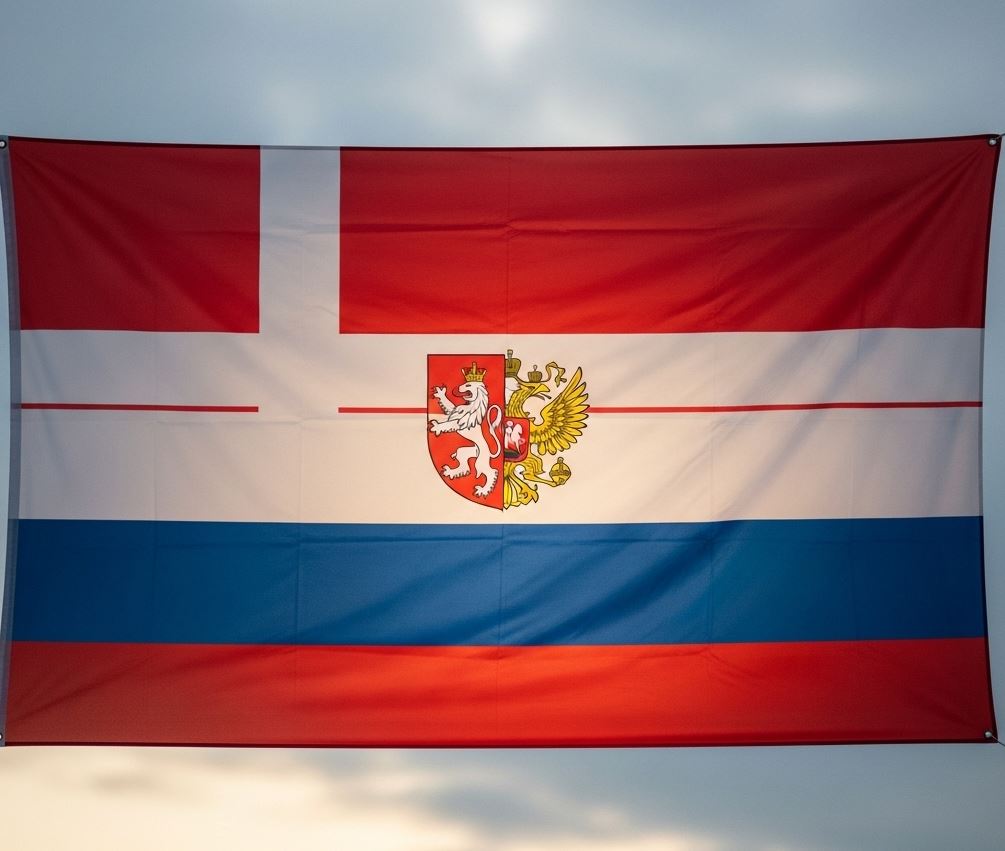
Russian Outrage: “Turning Conflict Into NATO War”
In a written statement to Danish broadcaster DR, Ambassador Barbin criticized the deal harshly.
“Denmark has made its territory available so that Ukrainian military production can take place outside the reach of the Russian armed forces,” he wrote. “Copenhagen has made no secret of the fact that these weapons will be used in military operations against Russia. This decision is unprecedented among NATO member states that claim not to be part of the conflict in Ukraine.”
Barbin declined to speak to DR in person and refused to clarify whether Moscow would consider the new Danish-based factories as legitimate military targets.
Expert: Denmark Must Brace for Russian Retaliation
Flemming Splidsboel, a senior researcher specializing in Russia at the Danish Institute for International Studies, warned that the Kremlin is unlikely to let the matter pass quietly.
“The Russians will certainly take note of this and are likely to respond,” Splidsboel said on P1 Orientering. “We need to prepare for protests, pressure campaigns, cyberattacks, and attempts to sway public opinion in Denmark.”
Splidsboel emphasized that Russian retaliation is often indirect. Since its full-scale invasion of Ukraine in 2022, Russia has dramatically escalated its use of hybrid warfare across Europe—including cyberattacks and covert sabotage.
“There’s already a high level of activity,” he said. “Cyberattacks have surged, targeting Danish companies and institutions. Russia has also shown a willingness to recruit individuals for physical sabotage.”
He referenced a UK incident earlier this year where British authorities accused Russia of recruiting operatives to set fire to a warehouse housing equipment bound for Ukraine.
“When Russia feels cornered, it resorts to crude, disruptive tactics,” Splidsboel said.
A High-Stakes Strategic Shift
The Denmark-Ukraine agreement represents a bold step in NATO’s evolving support for Kyiv—one that blurs the lines of direct involvement and opens new fronts in a conflict with no clear end in sight.
While Denmark insists the move is a sovereign decision rooted in its commitment to Ukraine’s defence, Moscow sees it as an act of provocation with long-term implications for regional security.
As Denmark positions itself as a front-line partner in Ukraine’s defence industry, the coming months may reveal just how far Russia is willing to go in response.
Update as of July 2025: Since the announcement, two Ukrainian defence companies—one specialising in drone production and the other in advanced communications systems—have begun setup in Denmark. NATO has expressed “understanding” of Denmark’s actions but stopped short of formal endorsement. Meanwhile, Danish cybersecurity agencies report a 34% increase in attempted cyber intrusions attributed to Russian-linked actors. Investigations into sabotage plots across Europe remain ongoing.