
The New Face of Organized Crime: Children with Kalashnikovs
Sweden, once a byword for social stability, is grappling with a crisis so severe that neighbouring Denmark has introduced emergency border controls and Norway has coined the term “Swedish conditions” as a dystopian warning. At the heart of the problem: children as young as 11 are being hired as contract killers, bombers, and enforcers for criminal gangs—turning Sweden’s gang epidemic into a transnational security threat.
“This is a national disaster,” Swedish National Police Superintendent John Forsberg told CNN, noting that kids now cross borders to commit crimes, making it a Europe-wide problem. In the first seven months of 2025, 93 children aged 14 or younger were suspected of murder, attempted murder, or conspiracy—up from 26 during the same period last year. Some have been arrested in Denmark and Norway for shootings and bombings on behalf of Swedish syndicates. “They are child soldiers,” Danish Justice Minister Peter Hummelgaard said bluntly.
The scale is staggering. Sweden now suffers the highest per-capita gun-death rate in the EU, with 363 shootings and 53 fatalities in 2024 alone. Bombs—once rare—are now routine. In 2025, there have already been 72 bombings linked to gang feuds. “We’ve seen a 258% increase in under-15s involved in murder plans year-over-year,” says prosecutor Lisa dos Santos. The gangs’ newest tactic: recruiting via Telegram and bespoke “gig-economy” apps, where teenagers accept contract killings as easily as a food-delivery order.
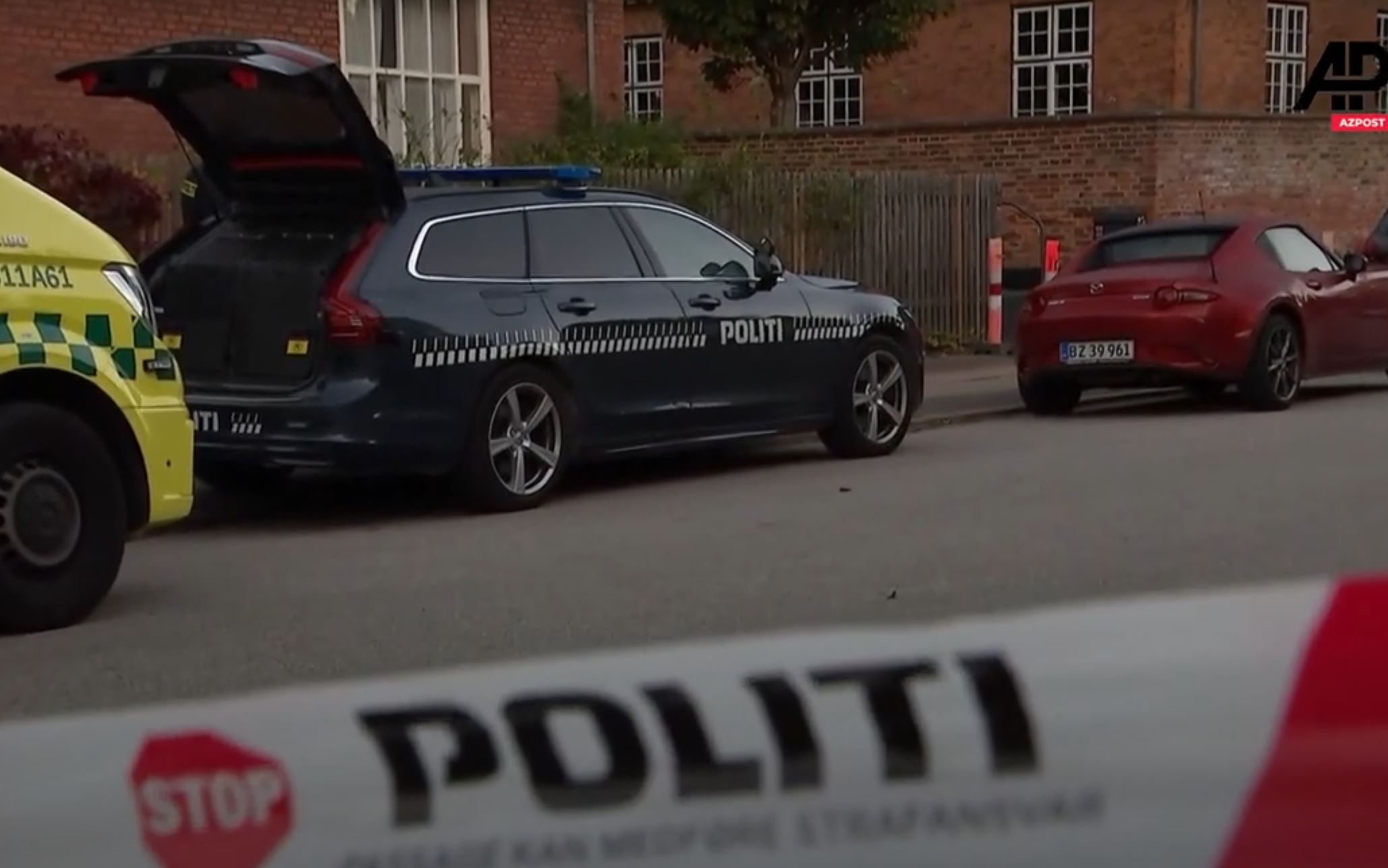
Two fresh cases this week underline why European justice ministers are calling it a continental emergency.
• Denmark, 1 July 2025: Danish police arrested a 15-year-old Swede in Værløse, north-west Copenhagen. Inside the apartment they found a loaded pistol. Prosecutors say the boy was hired by a 28-year-old Dane to carry out a contract killing; the intended target has not yet been identified. Two other men are already in custody for procuring the weapon, ammunition and even an electric scooter to be used as the getaway vehicle.
• Denmark, 24 July 2025: A 19-year-old Swede was extradited from Sweden to Denmark and remanded for four weeks at Glostrup Court. He is charged with hurling a hand grenade into a Søborg pizzeria in March, igniting a fire that police link to an ongoing gang conflict.
Both incidents add to the tally of Swedish teenagers exported for cross-border violence: 93 children aged 14 or younger have been suspected of murder, attempted murder or conspiracy in the first seven months of 2025—up from 26 in the same period last year—and the average age of arrest keeps falling.
Perfect Storm: Why Sweden’s Suburbs Are Exporting Teen Assassins
The drivers are complex, but three factors dominate:
1. A Legal Loophole Big Enough for a Kalashnikov
Swedish law shields under-15s from any criminal liability; 15- to 17-year-olds face at most a stint in a youth home, from which gangs routinely help them escape. “They know the system,” says criminologist David Sausdal. “A 14-year-old can carry out a hit and be back in class by Monday”.
2. The Failed Integration Economy
Decades of generous immigration collided with chronic under-investment in housing, schools, and policing in immigrant-dense suburbs. In “vulnerable areas” (police euphemism for ghettos), youth unemployment tops 30% and child poverty is triple the national average. Gangs fill the void, offering cash, status, and—crucially—a sense of belonging. “These kids have no trust in the police whatsoever,” says Uppsala pastor Daniel Wirehag, who runs soccer programs to lure teens away from gangs.
3. The “Gig-Crime” Platform Economy
Networks have fragmented. Instead of lifelong mafiosi, today’s gangs operate like Uber: a 30-year-old kingpin in Turkey can outsource a bombing to a 13-year-old in Stockholm via encrypted chat, paying in Bitcoin or designer clothes. “They’re not ideologues,” Sausdal adds. “They’re just doing a job”.
The Government’s Response: From Denial to “Paradigm Shift”
When the centre-right coalition took power in 2022—backed by the far-right Sweden Democrats—it vowed a “paradigm shift.” Measures so far:
- Tougher Sentences: New laws allow 15- to 17-year-olds to be jailed for murder, not just rehabilitated.
- Cross-Border Policing: Swedish and Danish officers are now embedded in each other’s forces; a Nordic police hub in Stockholm tracks teen recruits in real time.
- Targeting Recruitment: A fast-track inquiry is examining how to criminalize recruiting minors, mirroring anti-terror laws.
- Digital Crackdown: Justice Minister Gunnar Strömmer is pushing the EU to loosen GDPR and encryption rules that “handcuff” police trying to infiltrate Telegram and Signal.
Yet critics say it’s too little, too late. “The government lacks a plan to prevent recruitment,” charges Magdalena Andersson, former Social Democrat PM. With gangs already subcontracting hits to Swedish teens in Denmark and Norway, the crisis risks shredding the Schengen zone’s open-border principle.
Can Sweden Reclaim Its Streets?
Optimists point to grassroots efforts—midnight soccer leagues, mentorship programs, and police-youth dialogues in Gottsunda and Rinkeby. But the numbers are brutal: 48,000 Swedes are now linked to criminal networks, and the average age of new recruits keeps falling.
As EU justice ministers meet in Copenhagen this autumn, Sweden’s reputation—and the safety of its children—hangs in the balance. “We used to think teenage killers were an American problem,” Prime Minister Ulf Kristersson reflected last week. “Now they’re ours”.
For Sweden Inc., the cost isn’t just reputational. Denmark’s border checks already slow trade across the Øresund bridge; Norwegian firms are rethinking expansion into “high-risk” Swedish cities. Unless Stockholm can break the cycle of child recruitment, the Nordic model may become a cautionary tale for CEOs and policymakers far beyond Scandinavia.