
Scania, a leading Swedish truck manufacturer and part of the Volkswagen group’s Traton, is currently confronting significant challenges reflected in its sales and financial results for 2025, a trend echoed across the broader automotive industry. The CEO, Christian Levin, has characterised the situation as facing “a lot of headwinds,” emphasising the complexity and severity of ongoing market difficulties.
Several converging factors contribute to this adverse environment:
- Declining Sales and Delivery Volumes: Scania’s truck deliveries have declined notably, with second-quarter 2025 unit sales down by approximately 5 percent compared to the previous year and first-quarter deliveries down even more sharply by 16 percent. This decline is influenced by cautious ordering behaviours among customers and weaker demand in certain markets, particularly Brazil, which suffers from inflation, high interest rates, and elevated dealer inventories.
- Tariffs and Trade Tensions: Ongoing geopolitical instability—including trade tensions and supply chain disruptions—continues to create uncertainty that dampens demand and complicates production and delivery schedules. These disruptions started with component shortages and have evolved into broader supply chain bottlenecks including transport capacity constraints.
- Tougher Environmental Regulations: The industry is undergoing its most transformative shift, moving from combustion engines to zero-emission powertrains such as battery-electric and hydrogen models. Compliance with increasingly stringent CO2 regulations imposes rising costs and operational complexity. Scania’s CEO has highlighted the urgency of regulatory revisions to make electric trucks more cost competitive, reflecting current difficulties in balancing environmental goals with profitability.
- Economic and Currency Headwinds: The economic backdrop includes high inflation and currency fluctuations, negative factors for profitability. Scania reported an 11 percent decline in sales revenue and a 36 percent drop in adjusted operating profit in early 2025, partially due to these macroeconomic pressures as well as lower delivery volumes.
- Transition Challenges Toward Electrification: While Scania is advancing its electric vehicle offerings with an increase in zero-emission vehicle orders, electric trucks remain relatively unprofitable compared to traditional vehicles. This nascent market phase, combined with production challenges including software platform issues, impacts overall financial performance.
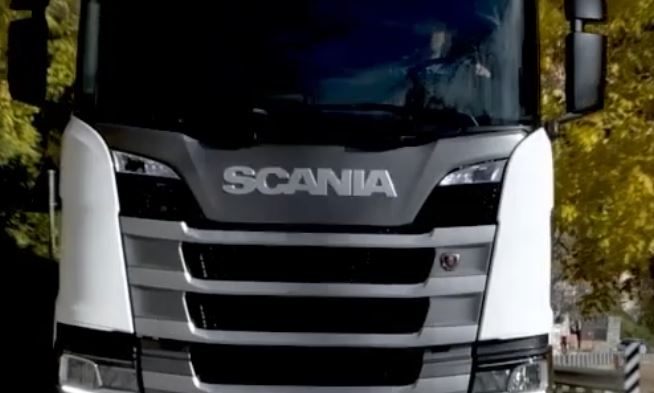
Despite these obstacles, Christian Levin remains cautiously optimistic. He acknowledges the current “gloomy” conditions but expects a market turnaround, although the timing is uncertain. Scania has maintained its market share in Europe and continued to grow total incoming orders, signalling some underlying resilience even as the truck market contracts.
In conclusion, Scania’s situation illustrates the complex interplay of global economic headwinds, evolving regulatory demands, and the industry’s profound transformation toward sustainability. The company’s leadership stresses the need for aligned policy support to enable a viable and sustainable future for commercial vehicles while navigating short-term setbacks in sales and profitability.
This set of challenges represents broader trends faced by the global automotive industry as it adapts to a new era of low emissions and geopolitical complexity, marking a crucial period of strategic recalibration for legacy manufacturers like Scania.