
Yaoundé, 26 July 2025—In the space of a single afternoon, Cameroon’s electoral referee ELECAM transformed what was expected to be the most competitive presidential race in decades into a lopsided contest almost certain to hand 93-year-old Paul Biya an eighth seven-year term. The body struck the country’s best-known opposition leader, Maurice Kamto, from the final list of candidates released Sunday, igniting street protests in Douala and warnings from Western diplomats of “a dangerous narrowing of political space.”
Kamto, a 69-year-old former justice minister and United Nations lawyer, came second in the fraud-tainted 2018 election with 14 percent of the vote—by far the strongest showing against Biya since multiparty politics returned in 1992. This time he will not even appear on the 12 October ballot. ELECAM accepted only 13 of 83 applications, citing a technicality: two rival factions of the small Manidem party both claimed to have nominated Kamto, allegedly breaching electoral rules. Kamto’s camp calls the move “a constitutional coup” and says it will appeal within the 48-hour window allowed by law.
A dynasty in the making
If Biya wins—and few analysts now doubt he will—the former post-colonial apparatchik will still be in office at the age of 100, extending a reign that began in 1982 when Ronald Reagan was in the White House and the Commodore 64 was state-of-the-art technology. Constitutional term limits were scrapped in 2008, and the president’s inner circle has spent the past year systematically disqualifying or co-opting potential threats. The ruling Cameroon People’s Democratic Movement (CPDM) has not held a leadership congress in 14 years; succession talk is taboo.
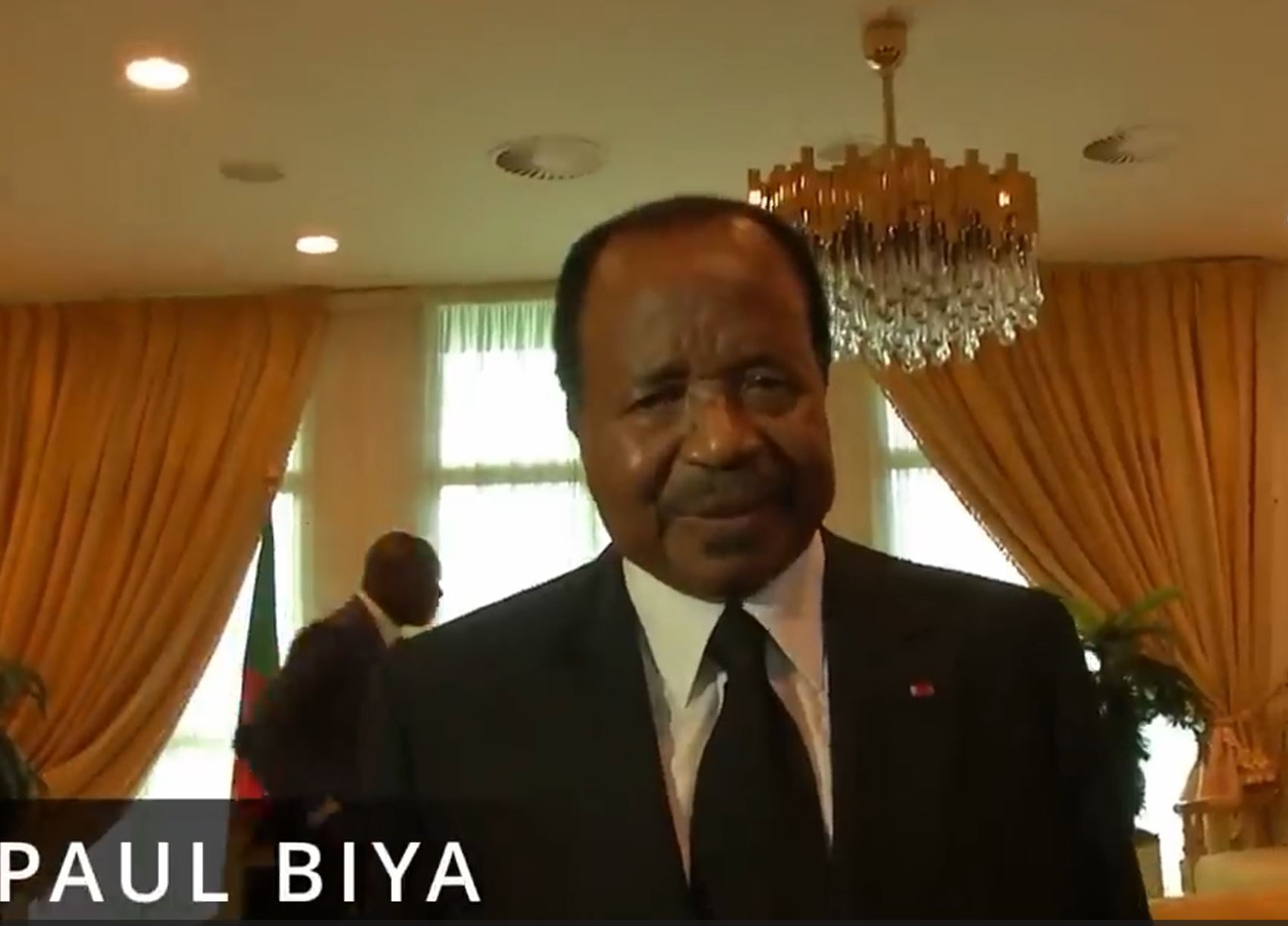
Yet succession intrigue is everywhere. Foreign observers note that Biya’s son Franck has increased his public profile, sparking speculation of a dynastic hand-off. “The question is not whether change will come, but whether it will come through ballots, back-room deals, or violence,” says Dr. Yolande Bouba of the Africa Centre for Strategic Studies.
Shrinking opposition, growing anger
Kamto’s exclusion leaves a fragmented field. Veteran northern politicians Issa Tchiroma Bakary and Bello Bouba Maigari—both former allies of Biya—are running as independents, hoping to capitalise on unrest in the Far North over jihadist violence and economic neglect. Cabral Libii, a 40-year-old media-savvy lawmaker, and anti-corruption lawyer Akere Muna round out the best-known challengers, but none commands Kamto’s national network. Patricia Tomaino Ndam Njoya, mayor of Foumban, is the sole woman in the race.
Anglophone crisis looms large
Compounding the tension, large swaths of the English-speaking Northwest and Southwest regions remain ungovernable after eight years of conflict between separatist militias and government forces. Turnout in 2018 was under 10 percent there; this year, rebel groups have vowed to enforce a total “lockdown” on election day. International observers fear renewed atrocities: more than 6,000 people have already died and 750,000 displaced in a war that has received scant global attention.
International reaction muted but watchful
France, Cameroon’s closest Western partner, issued a cautious statement urging “inclusive and credible elections.” U.S. diplomats privately warn that further erosion of democratic norms could trigger sanctions under the Global Magnitsky Act. The African Union has dispatched a pre-election assessment team, but AU missions in the past have endorsed votes widely seen as flawed.
What next?
Kamto’s legal appeal is almost certain to fail—the Constitutional Council is widely viewed as an extension of the presidency—but it could buy time for street mobilisation. Civil-society groups and the influential Catholic bishops’ conference have called for peaceful protests on 10 August, a date already being dubbed “Red Saturday” on social media. Security forces, already overstretched in the Anglophone regions and the Far North, may struggle to contain simultaneous demonstrations in urban centres.
For many Cameroonians, the disqualification drama is less about Kamto than about the broader question of whether the country can escape a cycle of gerontocracy, corruption, and regional fracture. “My father has known only one president,” says 24-year-old business student Ange Ndzana in Yaoundé. “If nothing changes, my children will say the same thing.”
Unless the courts or the streets force an unexpected reversal, Paul Biya is poised to begin yet another seven-year mandate on 12 October—cementing his status not only as Africa’s second-longest-serving leader but as a symbol of a political system many fear is incapable of renewal without a convulsion.