
Chikungunya virus has recently captured global attention as the World Health Organization (WHO) added it to its list of diseases posing a significant global risk. But what exactly is chikungunya, and why has it become a growing concern for worldwide public health?
What is Chikungunya Virus?
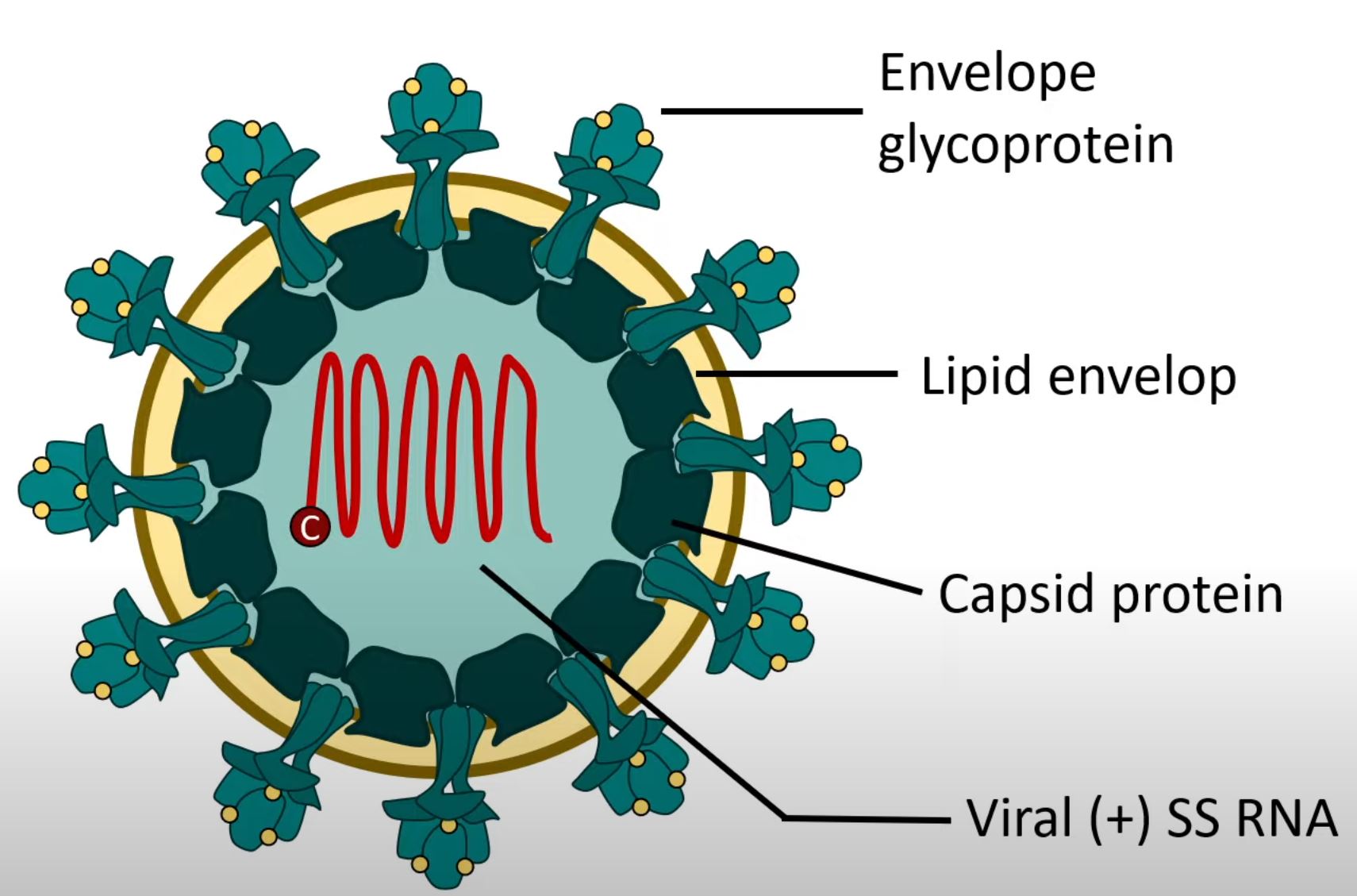
Chikungunya is a mosquito-borne viral disease first identified in Africa in the early 1950s. The name comes from a word in the Kimakonde language, meaning “to become contorted,” a reference to the severe joint pain that often accompanies infection. Transmitted primarily by the Aedes aegypti and Aedes albopictus mosquitoes—the same insects responsible for spreading dengue and Zika viruses—chikungunya can cause high fever, muscle pain, headache, and a debilitating, sometimes long-lasting arthritis.
Why the Global Risk Now?
Historically, chikungunya was mainly confined to parts of Africa and Asia. However, in the past two decades, the virus has expanded its reach dramatically, with large outbreaks reported in the Americas, Europe, and the Indian subcontinent. Increased global travel, urbanization, and the adaptability of mosquitoes to various climates have all contributed to this expanded risk.
The WHO’s decision to elevate chikungunya as a global health threat is also driven by the absence of a specific vaccine or antiviral treatment. Though fatal cases are rare, the intense joint pain can persist for months or even years, causing significant disability and straining healthcare systems—especially in regions already coping with other mosquito-borne viruses.
What’s Being Done?
Efforts to control chikungunya focus on mosquito control and limiting human exposure through protective clothing, insect repellent, and improved sanitation. Researchers are actively working on vaccines and antiviral drugs, but none have reached widespread availability yet.
The WHO’s warning serves as a call to action for countries to strengthen disease surveillance, improve outbreak response, and invest in research. As chikungunya and other emerging viruses threaten to cross borders with increasing ease, collaborative international efforts will be essential to reduce their global impact.
In Summary
Chikungunya is no longer just a local or regional illness—it’s a growing global health threat. Understanding its transmission and effects, supporting public health measures, and staying informed are key steps to protecting communities worldwide.