
Inside Nigeria’s newest hostage massacre – and the criminal enterprise that survives on broken promises.
By Our Senior Correspondent | Africa
The Numbers That Shocked the Nation
On the evening of 28 July, WhatsApp groups across northern Nigeria lit up with a single sentence: “Banga village has lost 33 souls.”
According to local officials, survivors and three separate international wire services, the facts are as stark as they are gruesome:
- 51 villagers – men, women and three pregnant mothers – were dragged into the forest on motor-bikes after a February raid on Banga, a farming settlement in Zamfara State’s Kaura-Namoda district.
- Families sold cattle, farmland and heirloom jewellery to raise ₦50 million (≈ US$33,700) in two instalments.
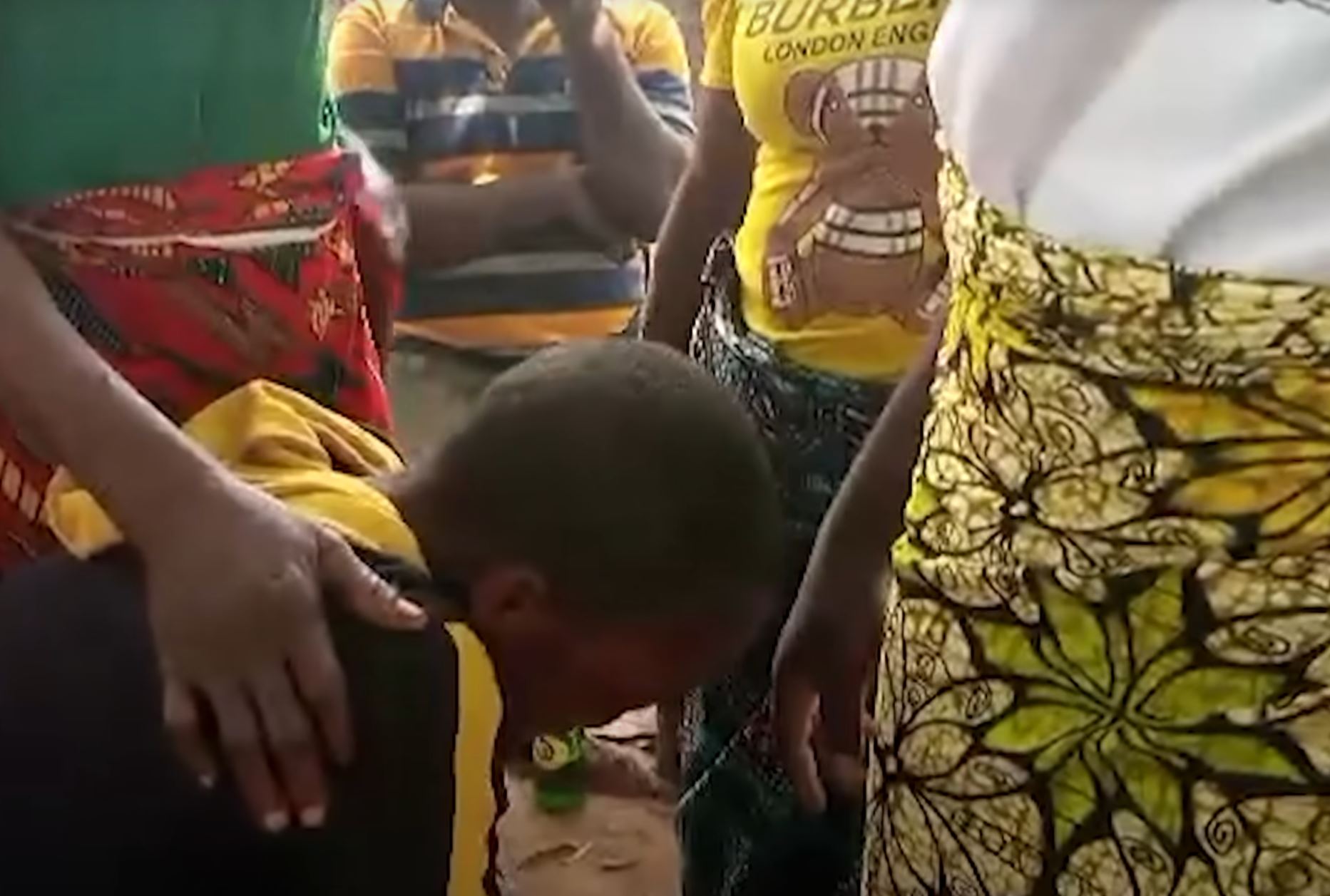
- On Friday 25 July, only 18 captives – mostly women and a lone boy – stumbled back home. They bore machete scars and the news that the remaining 33 hostages had been slaughtered “like rams” even after the money was collected.
- Three babies born in captivity died of neglect; two other villagers were killed during the initial raid, bringing Banga’s death toll to 38 in five months.
Who Ordered the Killings?
Zamfara’s state information commissioner confirmed the incident but would not name the gang. Residents, however, point to a 27-year-old Dan Sadiya, a Fulani herder turned kingpin who has turned ransom negotiations into a macabre theatre.
“He kills even after collecting ransom,” one survivor told BusinessDay. “If payment is delayed, he executes hostages without hesitation.”
Dan Sadiya’s modus operandi mirrors that of other north-western bandits who have morphed from cattle-rustlers into trans-national crime franchises, trafficking arms from Libya and Mali and laundering ransom cash through gold mines in neighbouring Niger Republic.
A Law Without Teeth
In 2022, Nigeria’s Senate passed a law sentencing anyone who pays a ransom to 15 years in prison and prescribing the death penalty for kidnappers whose victims die. Yet Banga’s families paid openly – and no one expects an arrest.
“People obey the law only when the state obeys its own first duty: to protect,” says security analyst Bulama Bukarti. “In rural Zamfara, the state is absent.”
From Farmer-Herder Feud to Organised Crime
Originally, the violence was framed as a herder-farmer conflict over shrinking grazing land and water. Between 2011 and 2019, Zamfara alone lost ₦970 million (≈ US$2.4 m) to documented ransom payments – a figure now regarded as a conservative estimate.
Today, the gangs operate like rural mafias, levying “harvest taxes”, running parallel courts and even issuing receipts for protection money. Their camps – some with airstrips – straddle four states and have begun forging tactical alliances with jihadist factions moving south from the Sahel.
What the Survivors Say
Altine Bawa, 42, whose husband was killed after the ransom arrived, spoke to AFP through tears:
“They took the money we worked hard to raise, killed 33 of the captives and sent the remaining 18 back to us. The soldiers are here, but the killings continue.”
The Government’s Dilemma
- Military option: Air raids have displaced gangs but also killed civilians, fuelling recruitment.
- Amnesty programmes: Twice abandoned after bandits used the ceasefire to re-arm.
- Community vigilantes: The Civilian Joint Task Force (CJTF) provides limited deterrence but has itself been accused of extrajudicial killings.
President Tinubu’s office released a three-line condolence statement on Sunday, promising “enhanced security measures”. No specifics were given.
Global Parallels
The Banga massacre fits a pattern seen from Mozambique’s Cabo Delgado to Mali’s Dogon Plateau: weak states, porous borders and a criminal economy that flourishes on ransom liquidity. In 2024, the global kidnap-for-ransom market was valued at US$1.5 billion, according to the OECD – a 40 % jump since 2020.
Epilogue: A Village Counts Its Losses
On Monday morning, the 18 survivors were transferred to a poorly-equipped hospital in Gusau, the state capital. Outside, pall-bearers prepared a mass grave. No journalists were allowed to film.
Back in Banga, the remaining men have stopped going to the farms. The women draw water in groups before dusk. And in the forest, Dan Sadiya’s radio crackles again – another village, another demand.
| Year | Documented Ransoms (NW Nigeria) | Estimated True Value | Global Average Ransom Paid |
|---|---|---|---|
| 2011 | US\$0.34 m | US\$1.1 m | US\$50 k |
| 2019 | US\$2.4 m | US\$7 m | US\$150 k |
| 2024 | US\$11 m | US\$35 m | US\$300 k |
Anatomy of a Kidnap Economy – (Sources: SB Morgen Intelligence, CFR, field interviews)