
China is producing more university graduates than ever—12.2 million in 2025 alone—but the job market isn’t keeping up. That gap is fuelling widespread pessimism, especially among educated young people and the wealthy. The question is: what’s behind this disconnect? Trade tensions? AI disruption? The truth is, it’s a mix of both—plus deeper structural problems that aren’t going away anytime soon.
Pessimism at the Top
Start with the wealthy. In May 2025, a survey by Oliver Wyman found that 22% of affluent Chinese had a negative outlook on the economy—the worst since the pandemic. Confidence in job security, real estate, and future income has taken a hit, even though GDP growth is hovering around 4.5–5.3%. That sounds solid, but by China’s historical standards, it’s sluggish.
Much of this unease comes from a stalled property market, slowing income growth, and rising doubts about long-term financial stability. Wealthy households, who once drove consumer spending, are pulling back.
Educated But Unemployed
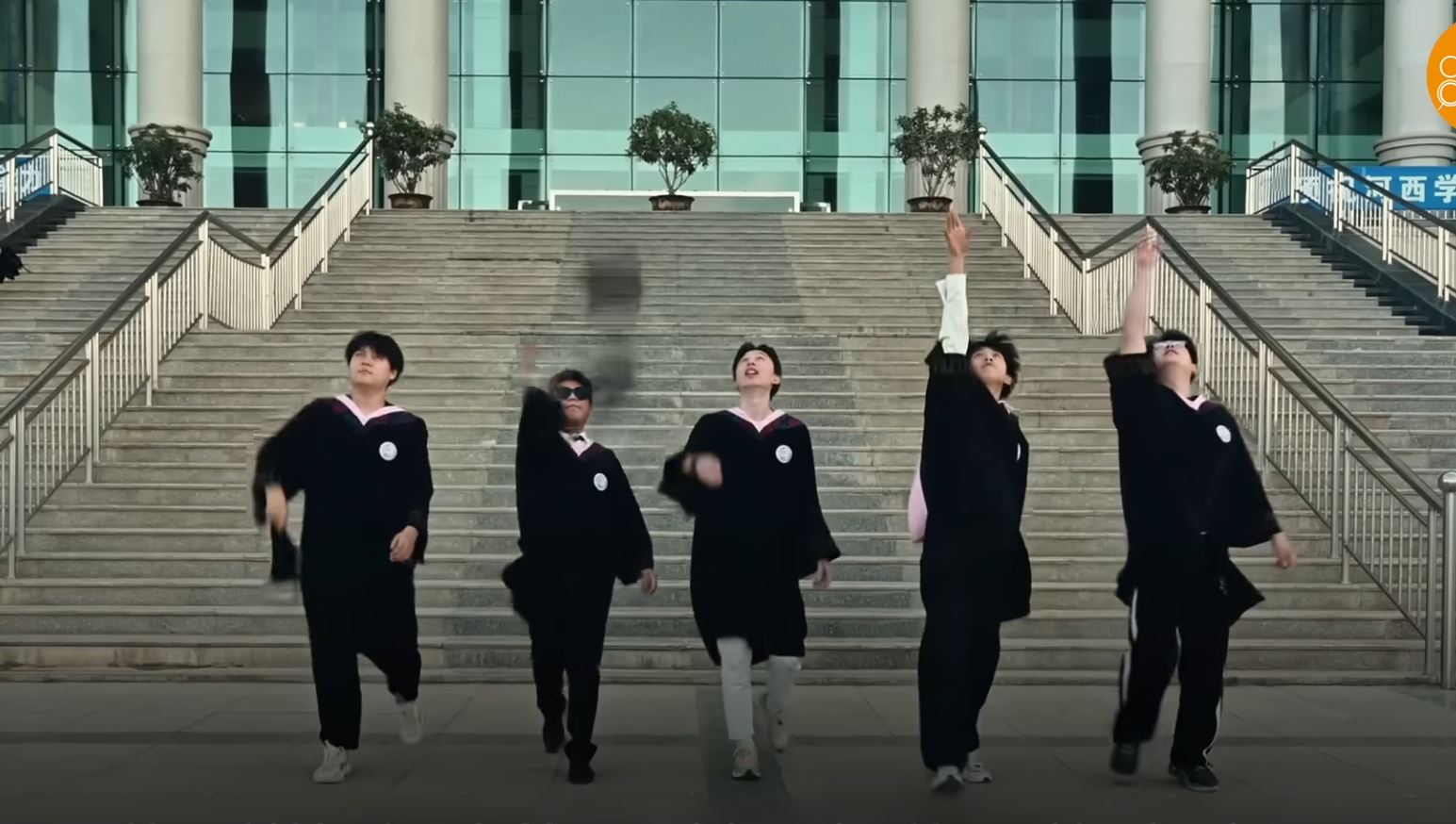
The job market for graduates is especially grim. Despite growth in AI, clean tech, and advanced manufacturing, the positions opening up demand specific skills that many new graduates don’t have. There’s a clear mismatch between what universities are teaching and what employers need.
As of May 2025, the unemployment rate for 16- to 24-year-olds (excluding students) stood at 14.9%. Many highly educated young people are stuck in limbo—either jobless or working far below their qualifications. The result: rising frustration, delayed life plans, and a bleak outlook among a generation that was told education was the ticket to stability.
The Trade War and AI Aren’t Helping
The fallout from the US-China trade war and rapid advances in AI are compounding the issue. Tariffs have hurt export-driven industries that once provided reliable employment. Meanwhile, AI is eliminating mid-tier white-collar jobs and tightening the competition for roles that require high-level technical skills.
So even in sectors that are growing, the bar to entry is higher. That leaves a lot of well-educated grads on the sidelines, watching industries evolve without them.
A Broader Mood of Caution
Beyond the job market, the mood in China remains cautious. Consumer spending is up in some areas, but it’s uneven. Property values are soft. Household savings are rising—not because people are optimistic, but because they’re nervous. Long-term issues like an aging population, local government debt, and geopolitical friction are adding to the anxiety.
The Government Response—Still a Work in Progress
Beijing is aware of the problem. New policies are pushing universities to better align with market needs, promote entrepreneurship, and improve job placement services. But so far, these efforts are early-stage. The market for graduates remains intensely competitive and uncertain.
Bottom Line
China’s rising economic pessimism isn’t just about slowing growth. It’s about disillusionment. Millions of young people did what they were told—study hard, get a degree—only to find there’s no clear place for them in the economy. Add in a shaky real estate sector, trade pressures, AI disruption, and deeper demographic challenges, and it’s no surprise that both the wealthy and the educated are feeling uneasy. This isn’t just a blip—it’s a signal that something fundamental needs to change.