
Food prices in various Swedish supermarkets didn’t budge much in July. After months of volatility earlier in the year, prices have now levelled out across most grocery chains.
“We’ve reached a plateau,” says Ulf Mazur, CEO of Matpriskollen, a service that tracks food prices. “The sharp swings we saw earlier this year just aren’t happening anymore.”
Since the spring, most chains have made only modest adjustments — some even lowered prices. That trend continued into July, a month when prices usually stay flat due to the summer holiday lull.
But Coop is the outlier.
While other major retailers kept prices stable, Coop raised theirs by 0.4 percent in July. According to Mazur, that’s not entirely surprising. Coop operates under a different model where local associations set their own prices, and those associations have different priorities and cost structures than national chains like Ica.
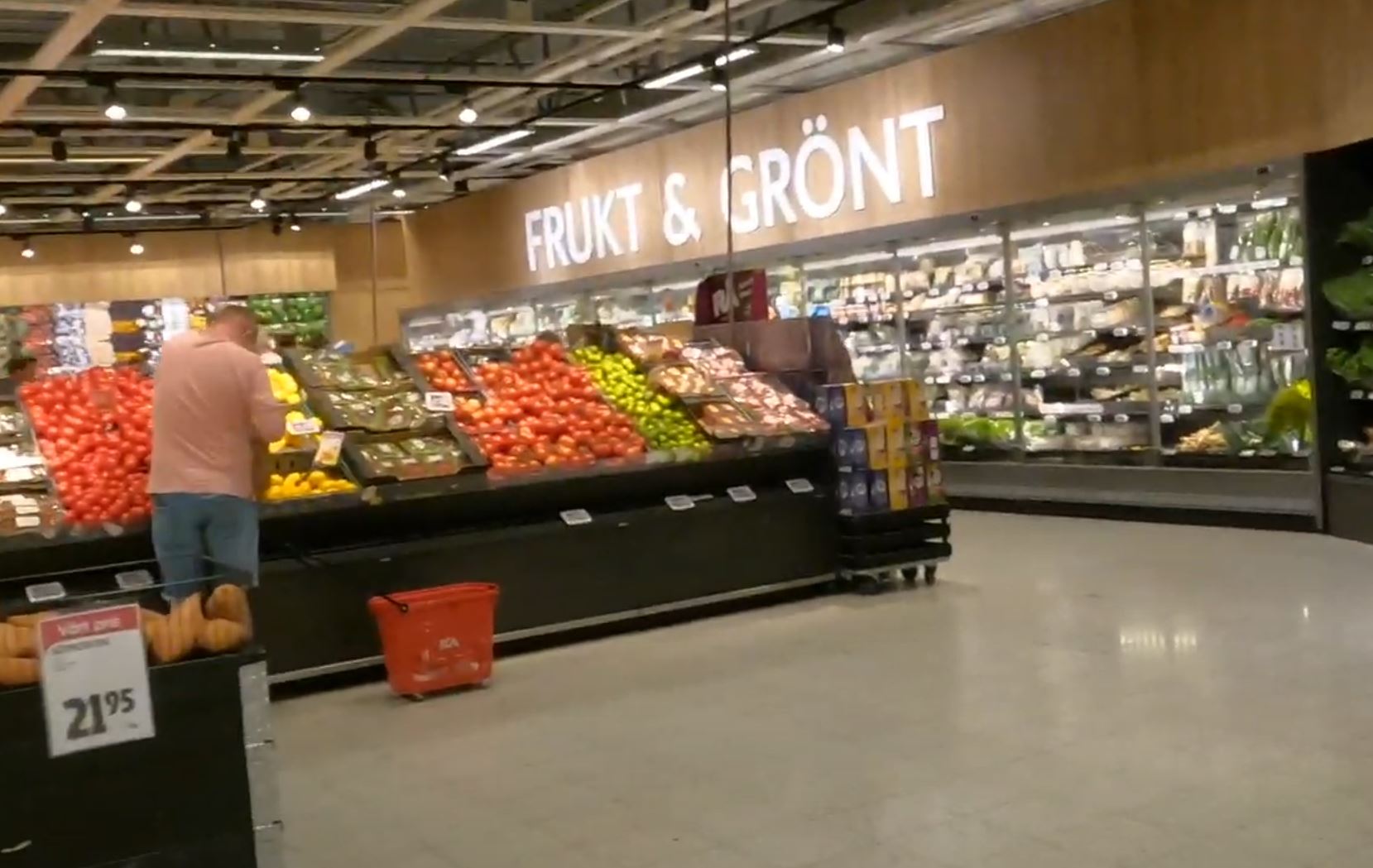
“There are big differences even between Coop associations,” Mazur explains. “But overall, Coop has increased prices more than Ica in the first half of 2025.”
Looking at individual products, the biggest July price hikes were on throat lozenges, chocolate drinks, and meat. Cold cuts and sausages ticked up too. Beef prices rose due to a shortage of cattle in Sweden — the country is now only 57 percent self-sufficient in beef, down from 95 percent in 1995.
On the flip side, fruit got cheaper. So did olive oil and berries like strawberries, raspberries, and cherries. But that drop may be temporary: prices for wild berries like lingonberries and blueberries are expected to rise sharply due to a shortage of berry pickers this season.
Overall, Mazur believes the worst of the food price surge is behind us.
“Many of the drivers of inflation — currency, energy — have stabilized,” he says. “We’re not likely to see the same kind of increases again.”
Still, prices remain high compared to just a few years ago. Since 2022, grocery costs have jumped nearly 30 percent. That’s forced shoppers to pay closer attention, which in turn puts pressure on retailers to hold prices down.
How Food Prices Are Tracked
There are two main sources for food price data in Sweden:
- Statistics Sweden tracks actual sales prices across a representative basket of goods. The weight of each item in the basket reflects how much consumers typically buy.
- Matpriskollen monitors listed shelf prices — not sales — for over 40,000 products across major grocery chains. It reflects what consumers see in-store, not what they necessarily buy.