
Nordic investors and humanitarian partners can no longer treat Yaoundé as “stable background noise.”
The Verdict Heard from Yaoundé to Copenhagen
At 10:14 a.m. on Tuesday, 5 August 2025, Cameroon’s Constitutional Council—the country’s highest electoral jurisdiction—delivered a 15-page ruling that cannot be appealed.
“The candidacy submitted by Prof. Maurice Kamto under the banner of the MANIDEM party is declared inadmissible.”
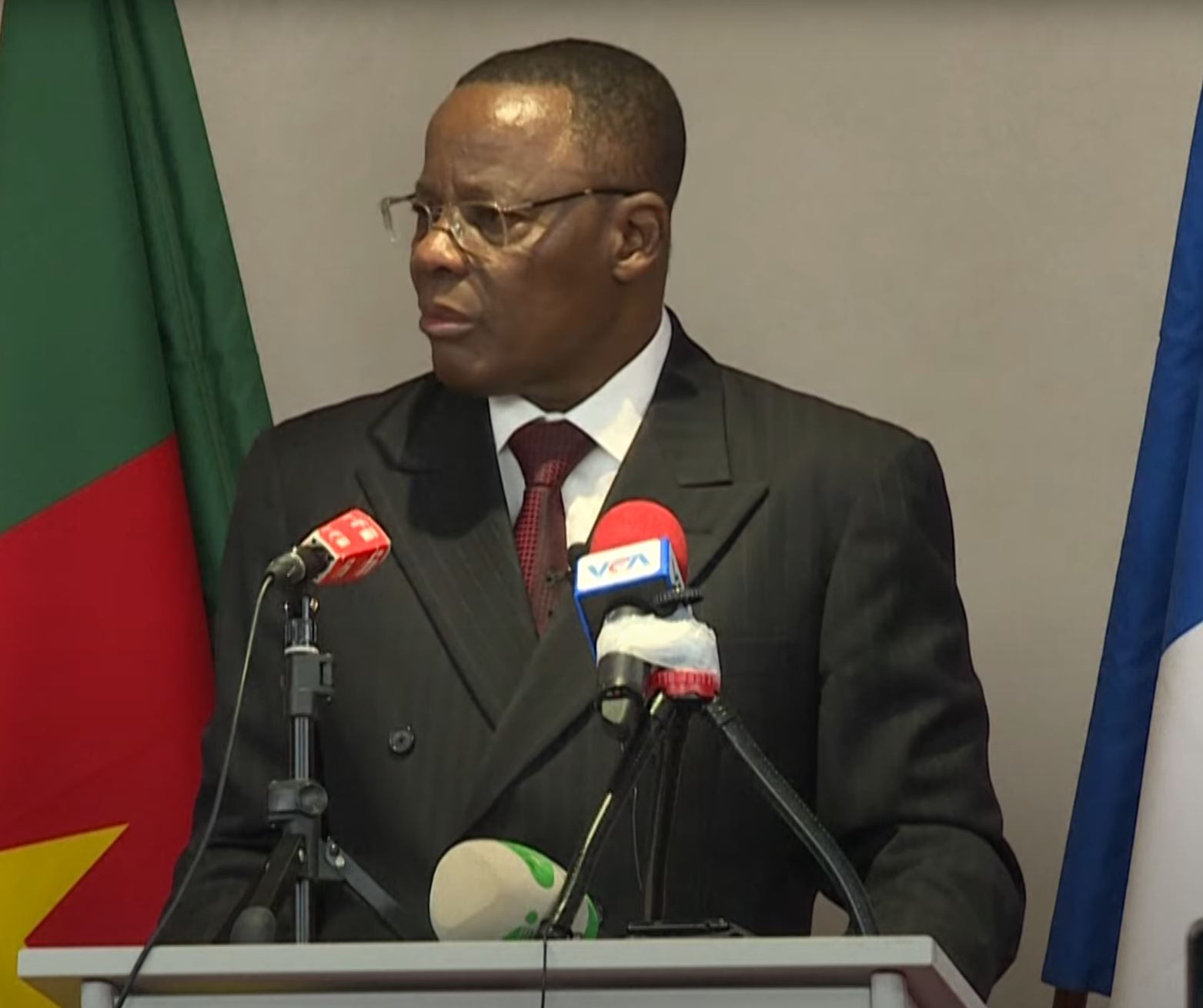
The Council accepted the government’s argument that MANIDEM had inadvertently registered two presidential hopefuls, a technical breach of the 2025 electoral code. In doing so, it removed the only challenger who polled 14 % against Paul Biya in 2018 and was expected to improve on that score in the 12 October ballot.
Why Nordic Boards Should Care
| Risk Factor | Immediate Impact on Scandinavian Interests |
|---|---|
| Oil & Gas | Tullow (UK/Denmark) and Perenco (France/Norway) operate offshore. Any post-election unrest could disrupt the Chad–Cameroon pipeline and Douala–Kribi logistics corridor—key routes for Nordic drilling equipment. |
| Shipping & Ports | Kribi Deep-sea Port, built partly with Danish engineering, is the export hub for Central African timber and minerals. Port unions have already threatened strikes “if the vote lacks credibility.” |
| Humanitarian Exposure | Sweden and Norway channel 23 % of their Central African refugee budgets through Cameroon. 900 000 internally displaced Anglophones and 400 000 refugees from CAR/Nigeria are housed in the conflict zones. Election-related violence risks doubling those figures. |
| ESG & Pension Funds | Nordic pension funds (ATP, KLP, Folksam) hold circa USD 180 million in Eurobonds issued by Cameroon. A legitimacy crisis could widen sovereign spreads by 200–300 bps, according to SEB Emerging-Market note. |
From Courtroom to Street—Security Outlook
- Urban flashpoints: Overnight protests erupted in Douala’s Akwa district and Yaoundé’s Mokolo market; tear-gas and 47 arrests reported.
- Anglophone regions: Separatist leadership has called a 10-day “lockdown” starting 11 October to prevent ballot transport.
- Military posture: The army’s Rapid Intervention Battalion (BIR)—trained in part by Danish Special Forces in 2022—has been redeployed from the northern Boko-Haram theatre to the western highlands.
The Succession Vacuum No One Discusses
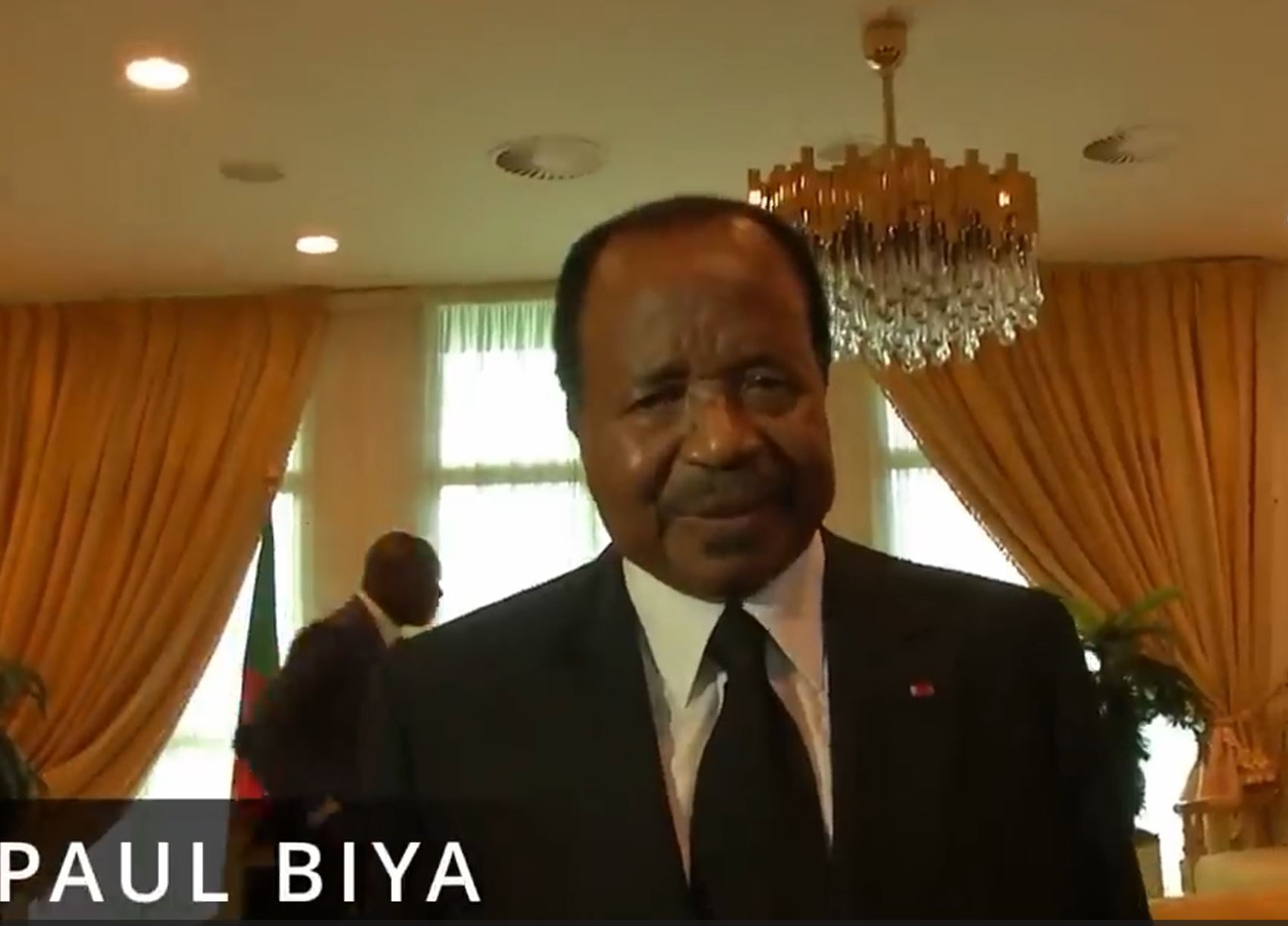
- President Paul Biya, 92, will almost certainly secure a seventh term, yet his public appearances in 2025 have averaged 11 minutes per month. Constitutional successor: Senate President Marcel Niat Njifenji, 90, also in poor health.
- Dynastic option: Analysts give a 30 % probability that Biya’s son, Frank Biya, is installed via snap constitutional amendment if the elder Biya’s health collapses after the election.
Four Scenarios for Nordic Decision-Makers
| Scenario | Probability | Business Implications | Recommended Nordic Response |
|---|---|---|---|
| 1. Managed continuity (60 %) | Biya wins, protests contained | Kribi port & oil flows steady, ESG noise rises | Scenario-plan price hedges; increase CSR budgets for local communities |
| 2. Urban crackdown (25 %) | Heavy repression, targeted EU sanctions | Eurobond spreads +250 bps; shipping insurance surges | Freeze new sovereign exposure; evacuate non-essential staff |
| 3. Anglophone escalation (10 %) | Separatists sabotage oil pipelines | Force majeure on Chad-Cameroon pipeline | Activate Nordic standby force for refugee response via UNHCR |
| 4. Palace coup (5 %) | Frank Biya or military junta | Short-term volatility, long-term policy continuity | Engage via AU, EU to push for transparent transition roadmap |
Voices from Yaoundé
“This is not a legal judgment; it is the political use of institutions.”
Aristide Mono, Political Analyst, University of Yaoundé II
“We will now take our fight from the courtroom to the streets—and to the international community.” Kah Walla, opposition coalition spokesperson (to Nordic diplomats, 5 Aug)
“The exclusion of Kamto makes a mockery of the electoral process and could plunge Cameroon into deeper crisis.” Ilaria Allegrozzi, Human Rights Watch
Red-Flag Calendar for Nordic Missions
| Date | Event | Risk Level |
|---|---|---|
| 12–14 Aug | Final candidate list published | Low |
| 26–30 Sep | Campaign rallies begin | Medium |
| 5 Oct | Last day for postal ballots to Nordic diaspora | Medium |
| 11–12 Oct | Separatist “lockdown” + voting | High |
| 20 Oct (est.) | Results announced | Very High |
| 15 Nov | Constitutional Council swears in winner | Medium |
The ESG Lens—What Nordic Funds Should Ask
1. Revenue transparency: Does your Cameroonian counter-party publish payments to the state under EITI standards?
2. Security protocols: Are expatriate evacuation plans coordinated with Nordic embassies in Abuja (regional hub)?
3. Local content: What percentage of subcontracting goes to Anglophone SMEs under threat of boycott?
4. Sanctions exposure: Are counterparties linked to entities on the EU’s new Magnitsky-style list for Cameroon?
Conclusion—A Window That Is Closing
Cameroon’s institutional firewall has just expelled the only opposition figure able to credibly challenge a 43-year presidency. For Nordic governments and companies, the country is no longer a “stable logistics node” but a precarious emerging-market bet sitting atop the continent’s most combustible geopolitical seam.
The next 70 days will determine whether Yaoundé becomes West Africa’s next sanctions story or manages—again—to muddle through. Either outcome will ripple through Nordic shipping lanes, pension funds, and humanitarian budgets.