
Nearly half of Sudan’s population faces extreme hunger as war devastates infrastructure and disrupts aid efforts.
The humanitarian catastrophe unfolding in Sudan is now considered the world’s worst ongoing crisis, with famine officially declared in multiple regions for the first time in decades. According to the UN World Food Programme (WFP), close to 25 million people—nearly half the population—are suffering from acute hunger, with reports of families resorting to eating animal feed to survive.
“We are now hearing that famine has begun to claim lives, particularly among children,” says Johan Ripås, SVT’s Africa correspondent.
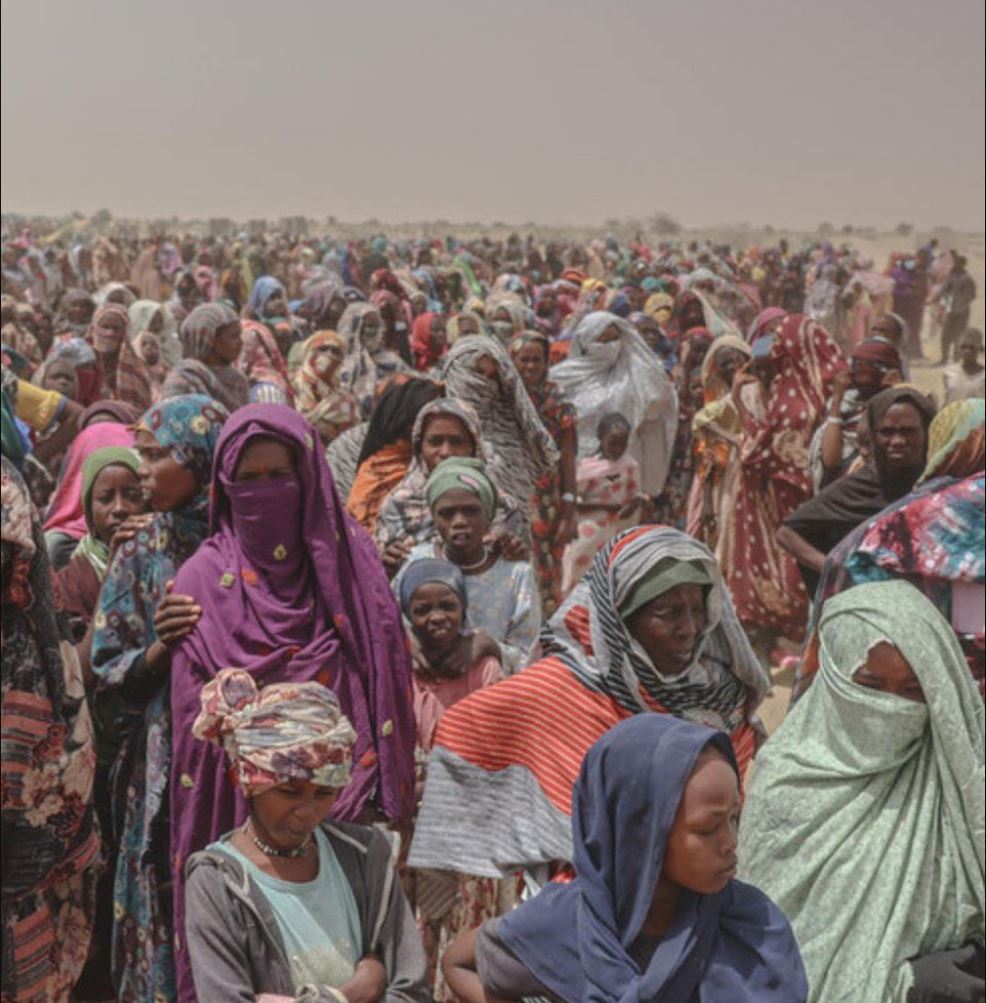
The situation has been exacerbated by relentless violence, including a recent attack by the paramilitary Rapid Support Forces (RSF) on the Abu Shouk refugee camp in Darfur, which left at least 40 dead and 19 wounded. The camp, located near the strategic city of al-Fashir—the last major stronghold under Sudanese Army (SAF) control—highlights the escalating brutality of the civil war that erupted in April 2023.
A War with No End in Sight
The conflict between the Sudanese Army and the RSF has displaced approximately 14 million people, with casualty estimates ranging from 20,000 to as high as 150,000. The fighting has crippled infrastructure, disrupted supply chains, and severely hampered humanitarian access.
Earlier this year, UNICEF warned that 3.2 million children under five could face acute malnutrition by 2025, with 772,000 at risk of severe acute malnutrition—a condition that can be fatal without immediate intervention.
The Worst Hunger Crisis in Decades
The UN-backed Integrated Food Security Phase Classification (IPC) has confirmed famine in parts of Sudan, including the Zamzam refugee camp in Darfur—marking the first official famine declaration anywhere in the world in years. The WFP and UNICEF warn that without urgent aid, the crisis will spiral further, particularly in conflict zones like Darfur, Khartoum, and al-Jazirah.
Adding to the devastation, Sudan is battling a cholera outbreak, with nearly 100,000 cases reported over the past year. The disease has now spread to 17 of the country’s 18 states, overwhelming an already collapsing healthcare system.
A Call for Global Response
With Sudan facing what the UN describes as “the largest famine in modern times,” international aid and diplomatic efforts are critical. Yet, funding shortages and access barriers continue to hinder relief operations.
For Nordic businesses and policymakers, the crisis presents both a humanitarian imperative and a regional stability risk. As hunger and displacement spill into neighbouring countries, the economic and security ramifications could extend far beyond Sudan’s borders.
The question now is whether the world will act before it’s too late.