
The European Union is putting €56 million into Sweden’s state-owned icebreaker fleet—a targeted investment to keep the country’s northern ports operational through brutal winters and to buy time before a full-scale fleet renewal.
Why It Matters
In Sweden, nine out of ten goods arrive by sea. Each year, 3,500 vessels depend on icebreaker escorts to move almost 10 million tons of cargo—roughly the same load as one million trucks. Without them, some northern ports could be shut for up to 130 days a year. The result would be a choke point in the supply chain for industries from steel to paper, hitting both exports and imports.
An Aging Asset
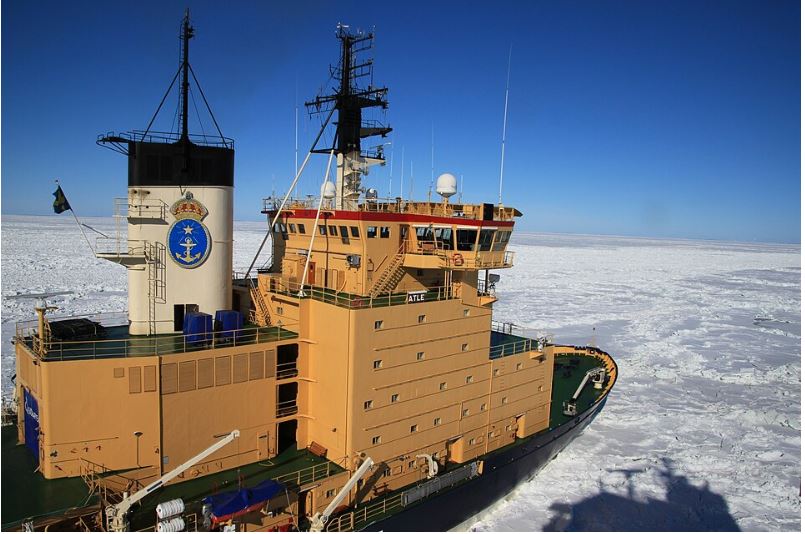
Sweden’s six state-owned icebreakers—Ale, Atle, Frej, Oden, Ymer, and Idun—were built mostly in the 1970s and 1980s. Maintenance is growing more complex and costly. The EU funds will pay for critical upgrades: navigation technology, emergency generators, fire safety systems, and digital enhancements for newer vessels.
The catch? This is a stopgap. Full fleet renewal is coming, and it will be expensive. Industry estimates suggest multiple new icebreakers will be needed within a decade, a cost that will far exceed this first injection of EU cash.
Part of a Baltic Strategy
The grant is tied to the Trans-European Transport Network (TEN-T), the EU’s program to secure reliable, year-round port access across Europe. Similar funding has gone to Finland and Estonia for their own icebreaking capabilities.
For Sweden and Finland, icebreaker operations are already tightly linked—they share vessels when necessary to keep trade moving. The EU’s investment reflects this cross-border approach, recognizing that winter navigation in the Baltic is a shared economic and strategic concern.
Beyond Trade
The case for modernizing Sweden’s icebreakers is not purely commercial. Changing ice patterns, rising geopolitical tensions in the Baltic, and the potential dual-use role of these vessels for civilian and defense purposes all add urgency to the upgrade. A failure to modernize could undermine both Sweden’s competitiveness and its ability to respond in a crisis.
The Road Ahead
The Swedish Maritime Administration, which operates the fleet, has been running deficits and warning about its financial constraints. While the EU grant closes part of the immediate funding gap, officials describe it as “step one.” The larger challenge—designing, funding, and building a new generation of icebreakers—will require sustained national and EU investment over the next decade.
Bottom line: The EU’s €56 million buys Sweden time, not a solution. It will keep the Baltic’s winter trade arteries open for now, but the real test will be whether Sweden can turn that breathing room into a long-term, modern icebreaking strategy before the old fleet runs out of steam.