
The upcoming summit between U.S. President Donald Trump and Russian President Vladimir Putin is generating significant concern among European and Ukrainian leaders. While Trump has publicly stated his intention to broker a ceasefire and end the war in Ukraine, a closer look at his motives and the circumstances surrounding the meeting reveals a more complex picture. Critics suggest that the president’s personal ambition, specifically his long-standing desire for a Nobel Peace Prize, may be a primary driver for his foreign policy initiatives, potentially at the expense of established strategic interests and the sovereignty of Ukraine.
A Nobel Obsession and Its Diplomatic Implications
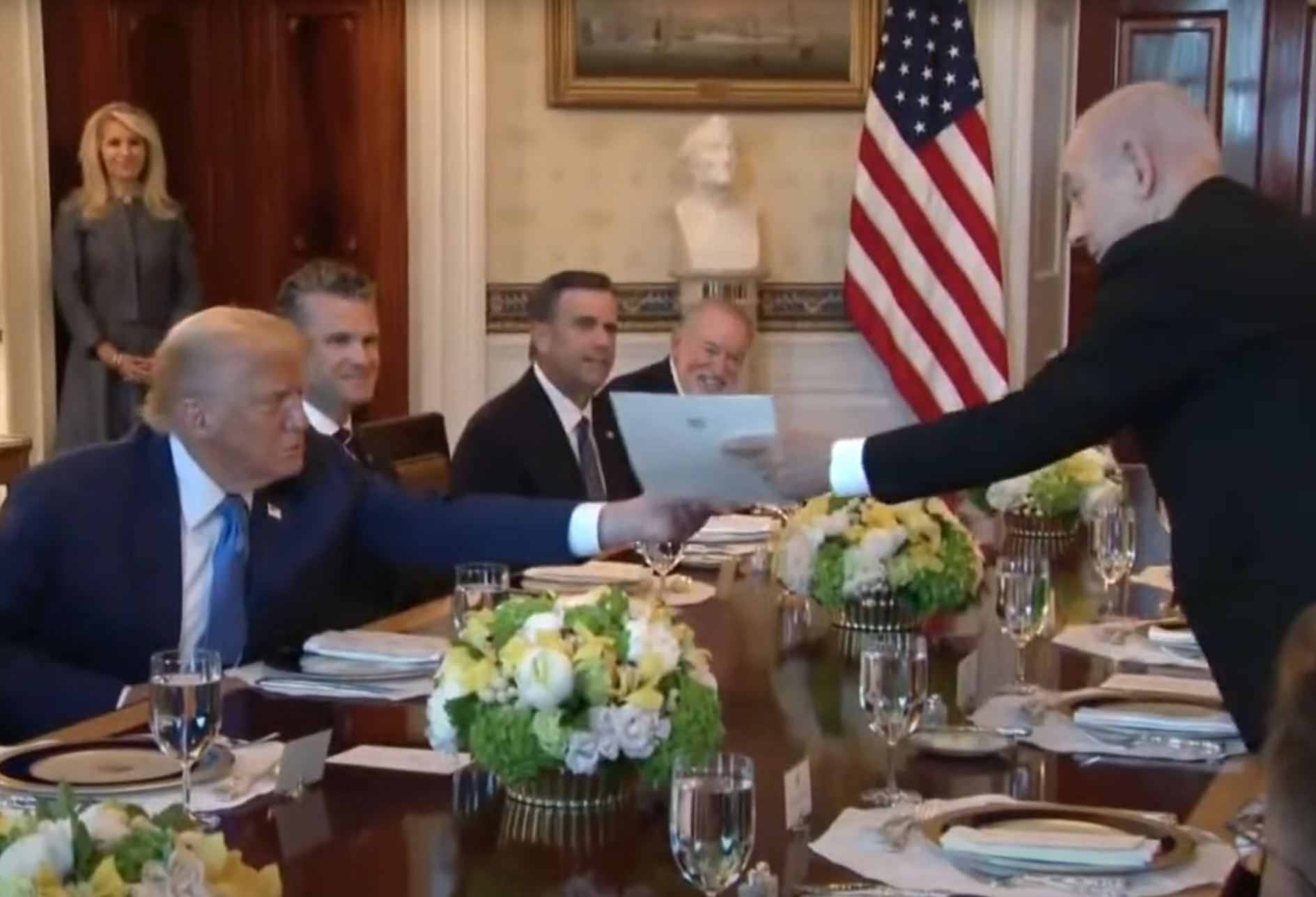
Trump’s repeated public and private comments about wanting to win a Nobel Peace Prize, a recognition previously awarded to his predecessor, Barack Obama, have been widely reported. This ambition is cited by many, including some of his own administration officials, as a major factor in his diplomatic pursuits. The quest for this prestigious award has led to a number of nominations from various world leaders, some of whom lead authoritarian regimes. This dynamic raises questions about the true nature of these “peace” efforts, and whether they are driven by a genuine commitment to global stability or by a desire for international acclaim and political validation.
A Summit Fraught with Questions
The decision to exclude Ukrainian and European leaders from the initial U.S.-Russia meeting in Alaska has fuelled anxiety. Both the European Union and Ukraine have been unwavering in their stance that any peace deal must be negotiated with Ukraine’s active participation and must respect its territorial integrity. The fear is that the summit could be used to pressure Ukraine into a “land-for-peace” arrangement, a concept that has been firmly rejected by both Kyiv and its European partners. Meanwhile, the recent intensification of Russian military pressure on the Ukrainian front is seen by Ukrainian President Zelensky as an attempt by Putin to strengthen his negotiating position ahead of the talks. The summit is not just about the war in Ukraine; it is also an opportunity for Russia to re-shape its global relationships.
A Path Forward: Transparency and Scrutiny
In a geopolitical landscape where symbolism can overshadow substance, it’s crucial to approach the upcoming summit with a degree of cautious optimism. The path forward requires a focus on transparency and accountability. Observers should:
- Stay Informed: Rely on credible news sources for real-time updates and official statements from all parties involved.
- Scrutinize Outcomes: Pay close attention to the details of any agreements, especially those pertaining to Ukraine’s sovereignty and its role in negotiations.
- Monitor Allied Reactions: The responses of European and Ukrainian officials will be key indicators of whether the peace process is aligned with broader Western values or if it is a result of external pressure.
- Prioritize Substance: The ultimate measure of success will not be a headline-grabbing award or a quick resolution, but a just and lasting peace that upholds Ukraine’s right to self-determination and territorial integrity.
One of the sources of our concerns as a Nordic Media organisation about Trump’s desire for the Nobel Peace Prize and its potential influence on his foreign policy decisions.