
Sweden finds itself at the centre of a growing debate as households across the country report a striking surge in food prices. Over the past six months, Swedes have felt the impact firsthand at supermarket checkouts, with soaring costs on everyday essentials reshaping spending habits and igniting public concern. Recent statistics confirm that these perceptions align with reality: food inflation has hit multi-year highs, fuelled by global economic shifts, volatile energy markets, and supply chain disruptions. As families and students alike search for solutions, understanding the true scope—and underlying causes—of this price shock becomes increasingly urgent for both policymakers and citizens.
Real Statistics on Food Price Increases
- Swedish food prices have notably risen over the past six months. In June 2025, Sweden’s Consumer Price Index (CPI) for food reached 144.32, an increase of 0.02% from the previous month and 4.57% compared to a year ago.
- According to Statistics Sweden (SCB), the overall food inflation for July 2025 was approximately 5.05% year-over-year.
- The most recent official statistics show a 3.9% increase in food prices from February 2024 to February 2025.
- Independent monitoring platforms like Matpriskollen report nearly a 20% rise in grocery store prices over the past two years.
- Price-checking surveys and reports indicate that Swedes are acutely aware of these increases, and consumer surveys confirm a clear majority feel food prices have increased during 2025.
Key Factors Driving Food Price Changes
The factors behind these rising prices are multi-layered:
- Global Instability: Disruptions in global supply chains, especially for agricultural and staple goods, have contributed to cost increases throughout the supply chain.
- Energy Prices: Electricity costs have significantly contributed to overall inflation and subsequently food prices, as energy is crucial for production and storage.
- Weather-Related Issues: Harvest disruptions and unusual weather patterns have resulted in lower yields and higher prices for certain products—coffee, dairy, fruits, and vegetables were called out for particularly steep increases in 2025.
- Transportation Costs: Increases in shipping and logistic expenses are passed onto consumers, amplifying food price inflation.
- Currency Strength: Fluctuations in the Swedish krona against major export currencies have impacted import costs.
- Interest Rates and Consumption: Sweden’s economy has struggled, and high inflation has kept interest rates elevated, curbing consumer purchasing power and shifting spending habits.
- Retail Market Structure: Media campaigns and boycotts in response to perceived price gouging by major grocery chains have highlighted concerns about market competition and pricing transparency.
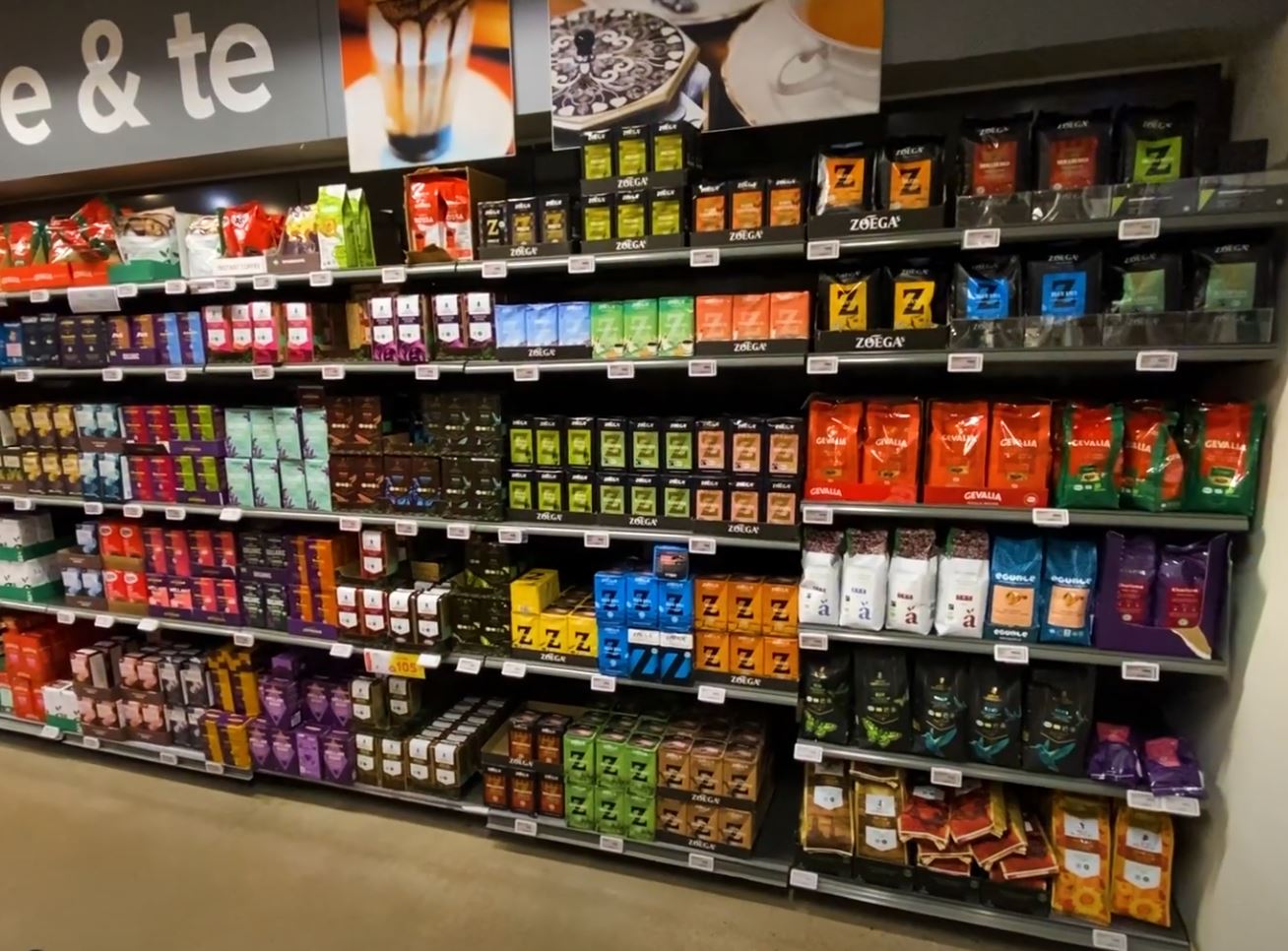
- Product-Specific Factors: Some items, like coffee, saw price increases of up to 28%, butter by 26%, and dairy products around 10% over the past year.
Impact on Households
- The price hikes have resulted in changing consumer behaviour, with more Swedes seeking cheaper alternatives and some organizations reporting a surge in requests for food assistance—even from employed individuals.
- Families with children are among the hardest hit, according to Sweden’s City Missions and social service organizations.
In summary, a clear majority of Swedes have indeed felt food prices rise sharply in the past six months. The CPI and food inflation statistics confirm an increase of 4-5% year-over-year, driven by ongoing economic challenges, supply chain disruptions, and sector-specific shocks, with direct impacts on household purchasing power and diet choices.