
In Sundsvall, aluminium has meant stability for generations. The Kubal smelter, one of the city’s industrial anchors, employs about 460 people—welders, machinists, line workers whose paychecks keep families afloat and shops alive. Now those paychecks are at risk, not because of a market crash or a supply shortage, but because their bank doesn’t want Kubal as a customer anymore.
Nordea, one of the largest banks in the Nordics, has told Kubal it will close the company’s accounts by the end of August 2025. The reason: Kubal is Russian-owned, and in Nordea’s eyes the company hasn’t done enough to prove it can manage the risks that come with that connection. On paper, it’s a matter of sanctions compliance. On the ground, it’s a matter of whether hundreds of workers in a Swedish town get paid.
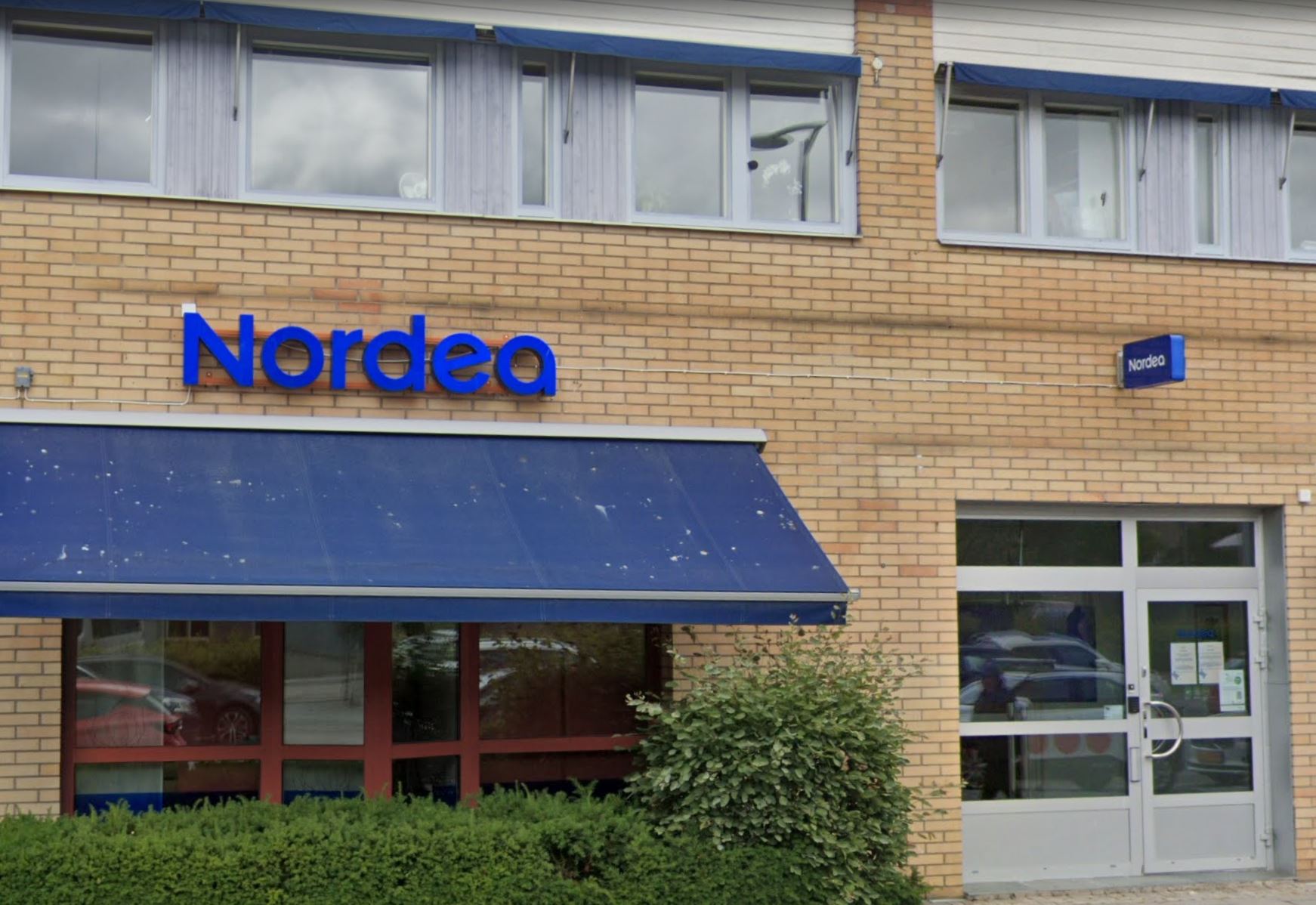
Kubal is fighting back. The company has taken Nordea to court, asking judges in Stockholm to block the decision. Their argument is simple: without access to banking, they can’t meet payroll or cover basic expenses. In the meantime, anxiety is rising inside the plant. Workers who have spent decades at Kubal suddenly find themselves wondering whether they’ll see their wages at the end of the month.
This is where global politics collide with daily life. Banks like Nordea have been under pressure since the invasion of Ukraine to cut ties with Russian businesses. For institutions, it’s about compliance and reputation. For workers in Sundsvall, it’s about mortgages, groceries, and whether their kids can keep going to hockey practice.
The court will decide if Nordea has to keep Kubal’s accounts open, at least temporarily. Even if Kubal wins a reprieve, the bigger problem doesn’t go away. Few banks want to touch Russian-linked companies, and fewer still want to be seen as bending the rules.
That leaves an aluminium smelter in central Sweden caught in the middle—between sanctions meant to squeeze the Kremlin and the everyday lives of people who had nothing to do with starting a war.