
Sweden has a curious problem: thousands of people applying for work, and thousands of jobs that can’t find people. The gap is not in one corner of the labour market—it stretches across health care, construction, education, and even IT. What makes this especially interesting is that many of these roles don’t require long academic degrees. With vocational training or short courses, you can step into careers that almost guarantee work.
Health and Care: The Front-Line Shortage
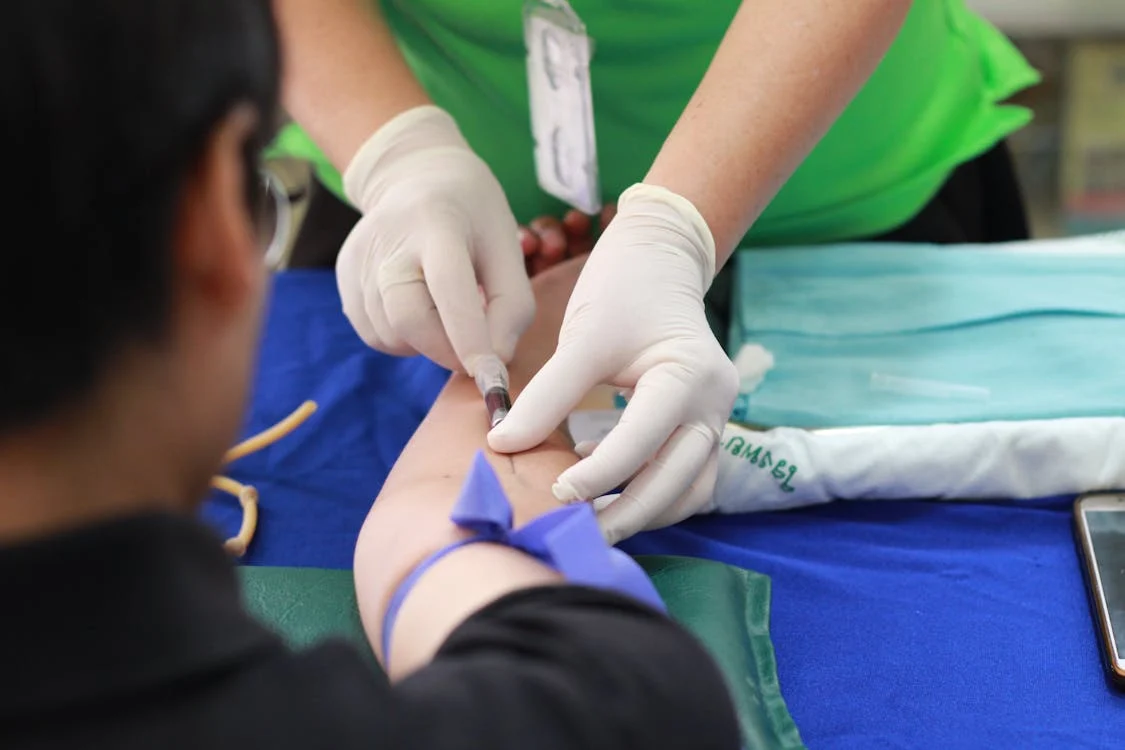
If you want job security in Sweden, health care is the safest bet. Assistant nurses are so scarce they’ve been flagged as a national shortage occupation. Specialist nurses—geriatric, psychiatric, paediatric, and operating room—are also in high demand. These jobs require training, but not all demand university-level degrees. Vocational healthcare programs and “undersköterska” training often open the door.
Building and Skilled Trades: Concrete Careers
Sweden’s construction industry is practically begging for skilled hands. Electricians, plumbers, carpenters, welders, CNC machinists, and masons are at the top of the list. In most cases, an apprenticeship or vocational course is enough. These jobs are physical, well-paid, and hard to outsource, which makes them reliable long-term bets.
Education: Teachers Needed Everywhere
From preschool to primary school to vocational training, teachers are missing from classrooms. Preschool and special needs instructors are especially scarce. While teacher certification is required, vocational teacher roles and childcare educators often have shorter pathways compared to university faculty careers. Anyone willing to work with children or young adults has strong job prospects here.
Tech and IT: The Skills Gap in Code
Software developers, systems engineers, and data scientists are also hard to find. Some of these jobs require university degrees, but not all. Sweden’s tech scene is open to candidates from coding bootcamps and intensive training programs if they can show results. Employers consistently say: skills matter as much as diplomas.
Other Roles in Demand
Beyond the big four sectors, there’s a steady hunger for cooks, butchers, bus and tram drivers, industrial electricians, and even cleaners. These roles usually require vocational training or on-the-job learning—meaning you can enter the market quickly.
The Fast Track
Sweden has recognized the urgency. Through Arbetsförmedlingen, the government runs “Snabbspår” programs that combine language courses, skills validation, and work placements for people with prior experience. For newcomers, community-based vocational schools offer free or low-cost retraining programs, especially in construction and healthcare.
Bottom Line
If you’re flexible, practical, and ready to learn, Sweden’s labour market has doors wide open. Health care, trades, teaching, and tech are screaming out for people. Many of these professions don’t require a long academic climb—just targeted training and the willingness to step into a role where the need is immediate.
For anyone looking to build a life in Sweden, these are not just jobs. They’re guaranteed careers waiting for you to claim them.