
A covert financial network has been ferrying vast sums of illicit cash from Sweden and its Nordic neighbours deep into Turkey, operating for years without public scrutiny or effective disruption. Revelations from P1 Documentary and new cross-border police reports have peeled back the curtain on an operation stunning in scale and sophistication—a system that mirrors the underground banking structures long used by organized crime worldwide.
Cash on the Move: Anatomy of a Hidden System
Investigators have mapped out an organization that shuttles black cash across Europe, mainly via trucks, spiriting profits from the underworld out of Scandinavia and into the financial arteries of Turkey. The syndicate, controlled directly from Turkey, utilizes elaborate routes through border zones and major transport hubs—taking full advantage of Europe’s open borders, weak declaration enforcement, and fragmented customs oversight.
Most alarming is the evidence that this network isn’t just a rogue operation, but part of a much broader underground banking system, where criminal proceeds are shifted in exchange for a fee—laundered into legitimate markets far from their origins. And while authorities have intercepted just over 80 million Swedish kronor (approximately €7 million) in Sweden, Norway, and Germany, police intelligence points to many more shipments that have successfully slipped through the cracks.
Blind Spots and Loopholes: Why the System Persists
A recent joint Nordic police report underscores the vulnerabilities in the current system. The Swedish-Norwegian border—long and sparsely populated—has become a “standing invitation” for smugglers, with advanced infrastructure offering swift passage from Oslo to Gothenburg and onward through the Öresund Bridge to the continent. Copenhagen’s Kastrup Airport, with its globe-spanning flights, has emerged as a hub: Swedish nationals were caught there in 2022 smuggling nearly 100 million kronor in cash, but experts suspect these busts represent just a fraction of overall traffic.
Legal loopholes contribute to the ongoing problem. While cash declarations are required when crossing some borders, the rules differ from country to country, and often there is no obligation to declare cash when departing Sweden or crossing internal EU borders. Smugglers exploit this patchwork, sometimes detouring through Eastern Europe or sailing from Romania to Turkey to avoid stricter checks in Bulgaria.
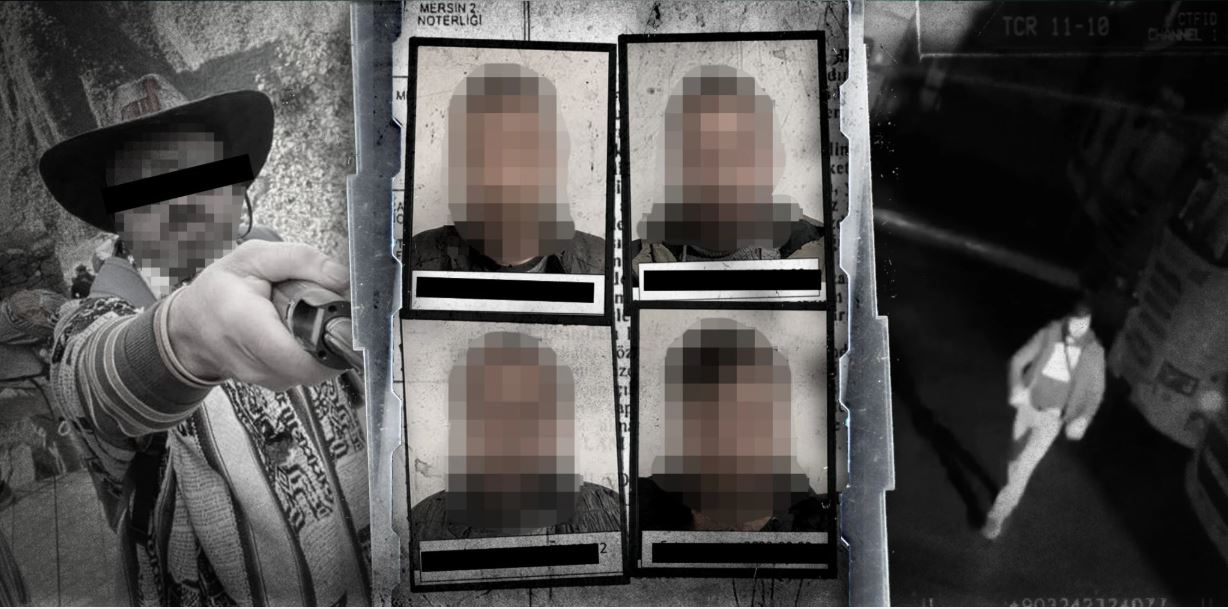
Organized Crime at the Helm
The money flowing through these channels originates largely from organized crime—from drug trafficking to extortion and illegal gambling. Sweden stands out in the region, earning the highest index score for organized crime among Nordic countries, with criminal organizations looking to expand into neighbouring markets. These groups operate internationally, leveraging connections in Turkey to further obscure the trail, integrate their profits, and insulate themselves from prying investigators.
Yet as officials ramp up cooperation—such as by opening joint Swedish-Norwegian police stations and embedding Nordic officers in Stockholm—authorities acknowledge that their efforts often lag behind the criminal organizations’ rapidly evolving business models.
Seizures and Missed Millions
What’s been seized so far—over 80 million kronor intercepted in Sweden, Norway, and Germany—may be just the tip of the iceberg. Intelligence reports cite far larger sums making their way undetected, as underground couriers and illicit bankers refine their techniques and exploit new digital frontiers.
Europol continues to highlight cash smuggling as one of the oldest and most basic forms of money laundering. Where once the movement of cash depended on secret handoffs and hidden compartments, now organized crime is blending transnational logistics, legal grey zones, and high-frequency small transactions to keep their pipelines open and their risks low.
The Way Forward: Closing the Channels
As digital payments steadily replace cash in everyday life, authorities see an opportunity to clamp down on the shadow economy. But while regular citizens in Sweden and its Nordic neighbours increasingly use cards instead of cash, criminals adapt, finding new vulnerabilities and exploiting differences in law enforcement and regulatory regimes.
Nordic police agencies are now calling for greater international cooperation, harmonized cash declaration policies, and smarter surveillance—hoping that sharing knowledge and tactics can finally disrupt the flow of black money from Northern Europe to Turkey and beyond.
The secret highways of black money remain active, but the region’s investigative journalists and coordinated law enforcement are finally bringing them into the light.