
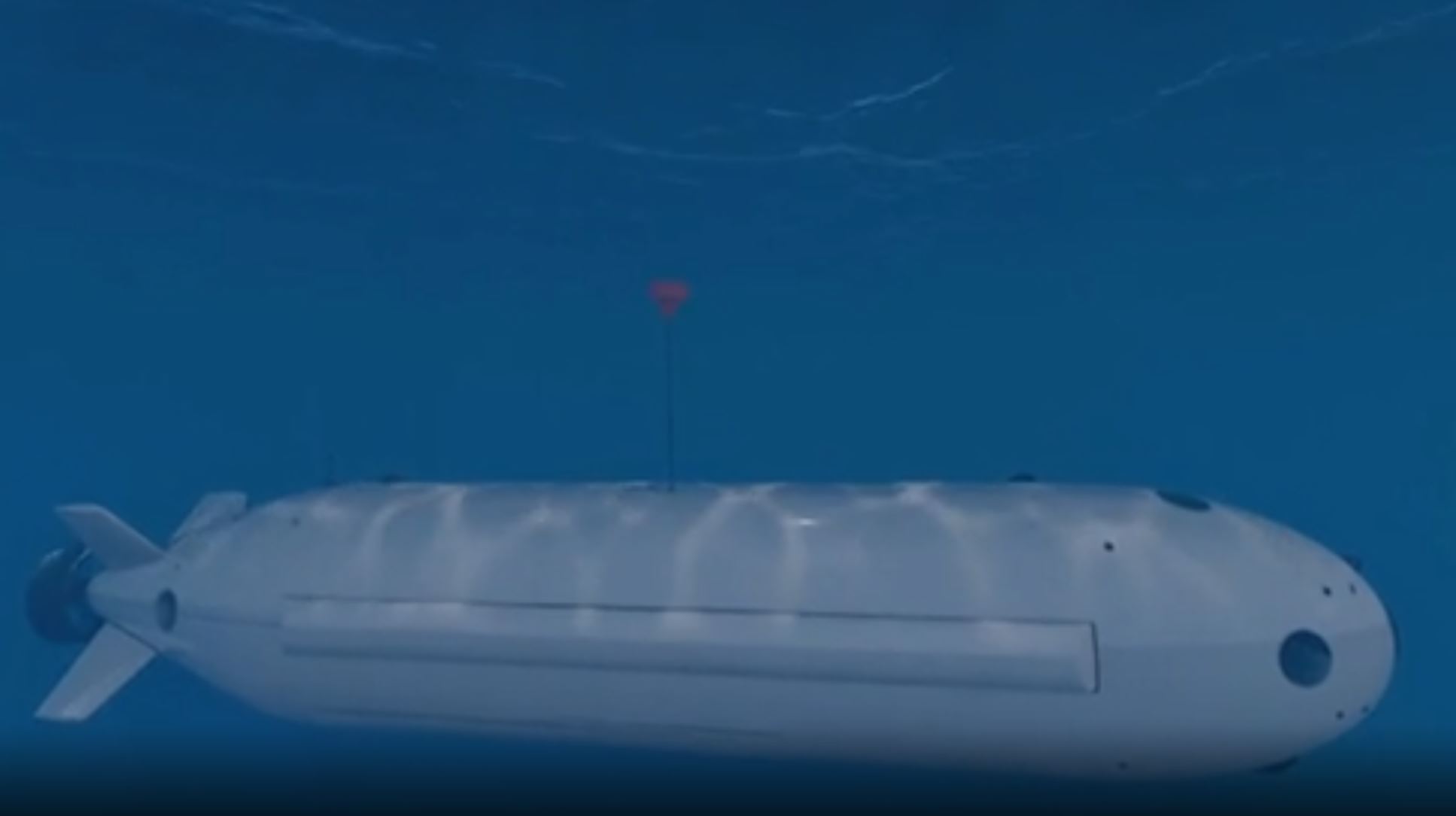
At a shipyard in Karlskrona, Sweden’s first unmanned mini-submarine is taking shape. The six-meter vessel, part drone and part submarine, is set to enter the Baltic Sea as early as next summer.
The project, known as LUUV (Large Unmanned Underwater Vehicle), is designed to handle some of the riskiest jobs currently carried out by Sweden’s small fleet of manned submarines. Tobias Söderblom, development manager at the Naval War College and leader of the program, puts it plainly: “The threat landscape has forced this development.”
Why it matters
Sweden has just four manned submarines. Each one is a valuable asset, too valuable to risk on reconnaissance missions or mine detection. That’s where the drones come in. Sent ahead of crewed submarines, they can scout for mines, map the seabed, and identify surveillance systems—tasks that are critical but dangerous.
For now, the LUUVs will focus on intelligence gathering. But Söderblom acknowledges that the technology could easily be adapted to carry mines or torpedoes if Sweden chose to arm them. “We could do it quite quickly,” he says, while noting that the decision lies above his level.
Autonomy on the horizon
The long-term vision is for the drones to operate independently for up to a week, guided by artificial intelligence. Fully autonomous combat systems—where the machine decides who is friend or foe—remain a distant prospect. But unmanned vehicles capable of weeks-long reconnaissance without risking human lives are much closer.
Fast-tracked defence
Construction of the prototype began only recently, part of an accelerated procurement process that brings together the Swedish Armed Forces, the Defence Materiel Administration (FMV), and Saab. The first demonstrator is expected to be in the water next summer, with additional prototypes and eventual series production to follow.
At five to six meters long and a meter and a half in diameter, the mini-sub can be launched from ports, ships, or even from larger submarines. Its role goes beyond scouting for naval operations. Sweden also wants these drones to help protect critical infrastructure on the seabed, from gas pipelines to undersea data cables—assets that are increasingly vulnerable in the Baltic.
The total budget remains classified, though the navy says it is under 100 million kronor. For Sweden, the investment is less about cost and more about ensuring that one of the world’s most sensitive seas is not left undefended.