
Sweden recently summoned Russia’s ambassador—not an act made lightly. Their Foreign Ministry stepped in to voice clear, pointed disapproval of Russia’s sustained attacks on Ukrainian cities and civilians. That much is documented in reports out of Stockholm.
1. Sweden’s Diplomatic Response: What’s Actually Going On
On August 28, 2025, Sweden’s Foreign Ministry called in Russia’s envoy after one of the latest strikes in Kyiv took 23 lives, including children, and damaged institutions such as the EU delegation and British Council. Sweden underscored Russia’s responsibilities under international law to protect civilians and civilian infrastructure.
Sweden’s move follows a growing wave of international condemnation—an expressed desire to hold Moscow accountable for continued strikes on civilian areas.
2. The Russian Casualty Toll: A Grim Reality
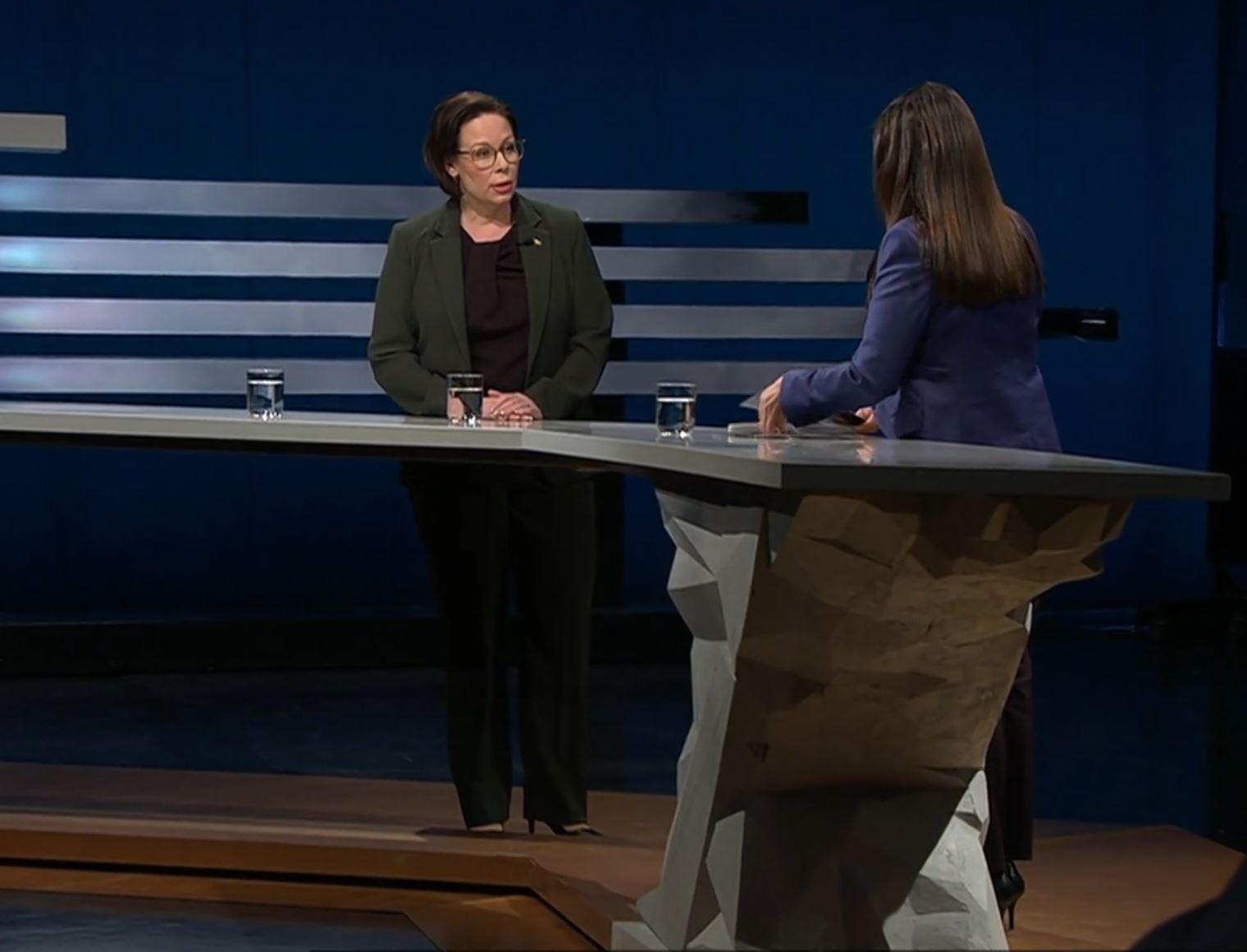
Two months ago, the Guardian newspaper reported that One million and counting Russian casualties were recorded in the Ukraine war, Today Swedish television (Svt) is reporting of additional 200 000 causalities. That’s within range—but it’s only part of the story.
Confirmed and estimated casualty figures:
- BBC Russian and Mediazona have verified about 124,800 deaths by name, likely representing 192,000 to 277,000 total Russian troop deaths, including those from Donetsk and Luhansk regions.
- The UK Ministry of Defence (as of March 2025) estimates total Russian casualties—including killed and wounded—at around 900,000, with 200,000–250,000 believed to be dead.
- Mid-2025 UK/U.S. intelligence pushes the total—dead and wounded—above one million, with 250,000 deaths as part of that.)
- The Ukrainian General Staff also estimates Russian losses to exceed one million total casualties.
While Svt mentioned 200,000, the broader picture is far more catastrophic—and deeply disturbing.
3. Why Doesn’t Anyone Seem to Care About Russian Deaths?
This isn’t a question of human value—it’s about how narratives get shaped, media-awareness gets focused, and politics plays out.
A) Visibility and data limitations
Russia deliberately keeps casualties under wraps. Independent efforts by media, researchers, and volunteers, like the BBC/Mediazona projects, try to name and count the dead. But that only scratches the surface.
B) Media and political framing
In democratic societies, the narrative often aligns with who’s viewed as the aggressor. Russian troop deaths—however tragic—are overshadowed while the focus stays on civilian suffering in Ukraine.
C) Russian society’s response
Despite monumental losses, public backlash in Russia has been muted thanks to propaganda, financial incentives, and restricted media. As one Guardian piece put it, despite staggering casualties, “the massive death toll … [has not] provoked significant public discontent.”
Government efforts—like high bonuses for new recruits, state-backed compensation, and targeted messaging—are aimed at suppressing dissent and maintaining public support.
D) Desensitization and polarization
People may intellectually acknowledge Russian casualties, but empathy often remains focused on civilians caught in the crossfire—especially when they’re perceived as helpless victims. That emotional focus, coupled with geopolitical tensions, makes it easier to overlook the human cost on the opposing side.
Bottom Line
Sweden did summon Russia’s ambassador, clear and documented. And yes—the estimates of 200,000+ Russian soldiers killed are real, but just one piece of a much larger and tragic toll.
But the story of their deaths remains largely invisible—lost in politics, narrative framing, and unequal media attention.