
When Mali’s military junta expelled Danish special forces in January 2022, the move was framed as a shift away from Western influence. The Danes had barely unpacked before being ordered home. Their deployment had been negotiated under Mali’s previous government as part of a French-led counterterrorism mission in the Sahel. But the new rulers had other plans. They turned to Russia’s Wagner Group.
That decision has defined Mali’s last three and a half years—and not for the better.
A Fragile State Looking for Help
For over a decade, Mali has teetered on the edge. Jihadist groups linked to Al-Qaeda have threatened to carve out a caliphate. France poured in special forces, the UN committed peacekeepers, and billions in aid flowed in. Progress was limited. Many Malians came to see international support as propping up a corrupt elite tied too closely to the former colonial power. When the military seized control, it severed ties with France and welcomed Wagner instead.
The mercenaries arrived with fewer men, murky funding, and a reputation for backing authoritarian leaders across Africa. Soon after, Burkina Faso followed Mali’s lead, expelling French forces and embracing Russian contractors.
Prigozhin’s Shadow
Wagner’s rise in Africa was tied to Yevgeny Prigozhin, the Kremlin-connected warlord who ran the group until his death in a plane crash outside Moscow two years ago. His demise, which followed Wagner’s short-lived mutiny against Russia’s defence ministry, left the organization fractured. Parts of it were absorbed by the Russian state, but in Mali and the Central African Republic the Wagner brand lived on—until this June, when the group formally announced its exit. Its operations are now being folded into the “Africa Corps,” widely believed to be under the control of Russia’s GRU intelligence service.
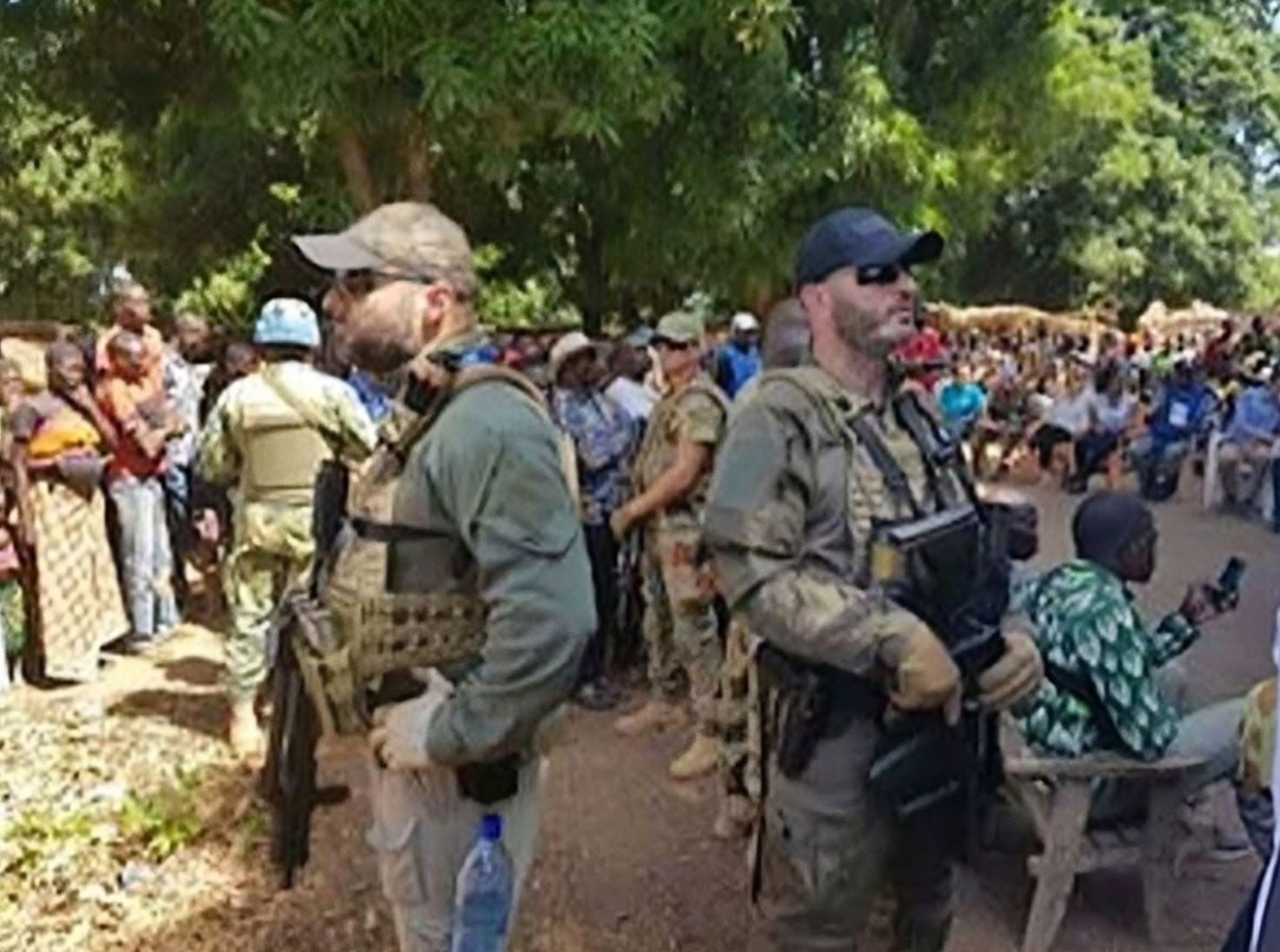
The Wagner Legacy
If Wagner’s mission was to stabilise Mali, it failed spectacularly. A new report from The Sentry, a Washington-based research group, documents how the mercenaries undermined Mali’s own army, seized equipment, carried out unauthorised raids, and left units exposed to jihadist attacks. Far from uniting the country, they deepened political rifts and terrorized civilians. Human Rights Watch accuses Wagner of mass executions and other war crimes.
The International Criminal Court is now being urged to investigate. The message to other African governments considering deals with Wagner’s successor is clear: look hard at the Malian record before signing on.
Terrorists Stronger Than Ever
Meanwhile, the jihadist threat has not only endured but expanded. Jama’at Nusrat al-Islam wal-Muslimin (JNIM), led by Iyad Ag Ghali and aligned with Al-Qaeda, has grown into one of the most dangerous extremist groups in the world. Under French and UN watch, they were at least contained. Under Wagner, they’ve flourished, launching thousands of attacks across Mali and Burkina Faso.
What happens next depends on how aggressively the Africa Corps steps in, and whether Mali can rebuild partnerships that put its people—not foreign mercenaries—at the centre of security efforts.
Bottom line: Wagner came to Mali promising security. What it left behind was fear, division, and a stronger enemy.