
The Swedish krona has been on a steady climb in 2025, and the rally continued this week. Several forces are pushing it higher: a stronger-than-expected Swedish economy, stable public finances, and growing foreign investment—especially in Sweden’s defence sector as Europe adapts to shifting geopolitics.
Another big driver is monetary policy. The European Central Bank is expected to cut rates more aggressively than Sweden’s Riksbank, leaving Swedish assets relatively more attractive. On the other side of the Atlantic, weaker US economic data and fading demand for the dollar have eroded some of the greenback’s appeal. Momentum traders have piled in too, amplifying the krona’s rise.
The impact at home is mixed. A stronger krona makes imports cheaper, easing inflation and lowering costs for households. That gives the Riksbank more room to consider cutting interest rates, which could bring relief to mortgage borrowers. But exporters lose out—every dollar or euro they earn abroad now converts into fewer kronor, a real challenge in a global economy already weighed down by trade frictions and slower growth.
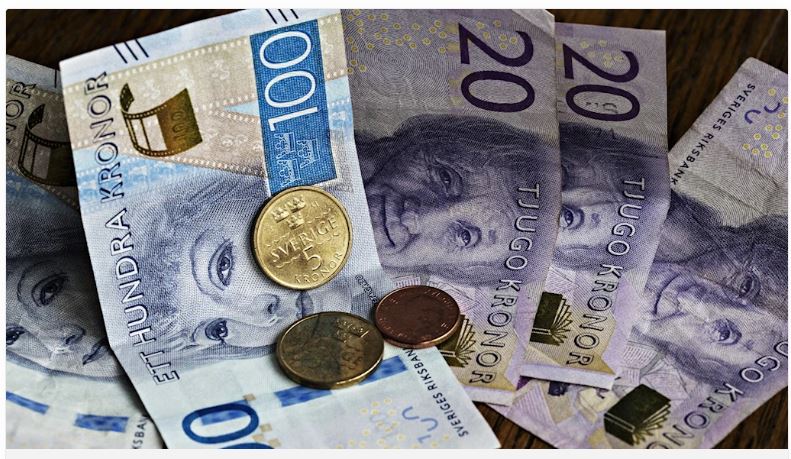
Sweden has long let its currency float freely, but today’s rally is anchored in fundamentals: sound public finances, competitive industries, disciplined wage growth, and a highly skilled workforce. These strengths are why many analysts see the krona’s appreciation not as a temporary spike, but as the start of a more sustained shift.
The numbers back that up. By September 2025, the krona had gained roughly 7 percent on a trade-weighted basis, its sharpest annual rise since 1993. Against both the dollar and the euro, the gains have been substantial. The shift reflects not just confidence in Sweden, but also a reassessment of the US outlook and the reduced dominance of the dollar in global portfolios.
The currency’s strength is already feeding into inflation dynamics. Economists often estimate that every 1 percent appreciation in the krona trims inflation by about 0.1 percent after six to nine months. With a 7 percent gain so far this year, Sweden could see inflation fall by close to a full percentage point. That would be a welcome change for consumers facing high prices, though it underscores the trade-off: weaker exports and potentially slower GDP growth.
Bottom line: Sweden’s currency has become one of 2025’s standout stories. Strong fundamentals, shifting global sentiment, and favourable rate differentials have combined to give the krona its sharpest lift in decades. The benefits show up quickly in cheaper imports and easing inflation, but the challenges—particularly for exporters—will test the economy’s resilience as the year unfolds.