
Denmark is reeling from the sudden U.S. federal decision to halt construction of a major offshore wind farm near Rhode Island—just 80% complete and on the brink of powering 350,000 American homes. The project, co-owned by Danish energy giant Ørsted, in which the Danish state holds a 50% stake, has been abruptly suspended by the Trump administration under the vague justification of “national security concerns,” sparking alarm and suspicion in Copenhagen.
The move has not only stalled a flagship renewable energy initiative but also sent shockwaves through Denmark’s financial markets. Ørsted’s stock dropped sharply following the announcement, deepening an already turbulent period for the Copenhagen Stock Exchange, which has seen a 40% decline over the past year. Much of that downturn has been driven by struggles among Danish corporate titans—most notably Novo Nordisk, the maker of the blockbuster weight-loss drug Ozempic, whose performance is so pivotal it directly impacts national GDP.
The timing of the suspension could hardly be worse for Ørsted. The company is currently preparing a massive capital raise—nearly 90 billion Swedish kronor (about $8.5 billion)—to fund its global green energy expansion. With construction halted and uncertainty mounting, investor confidence is wavering.
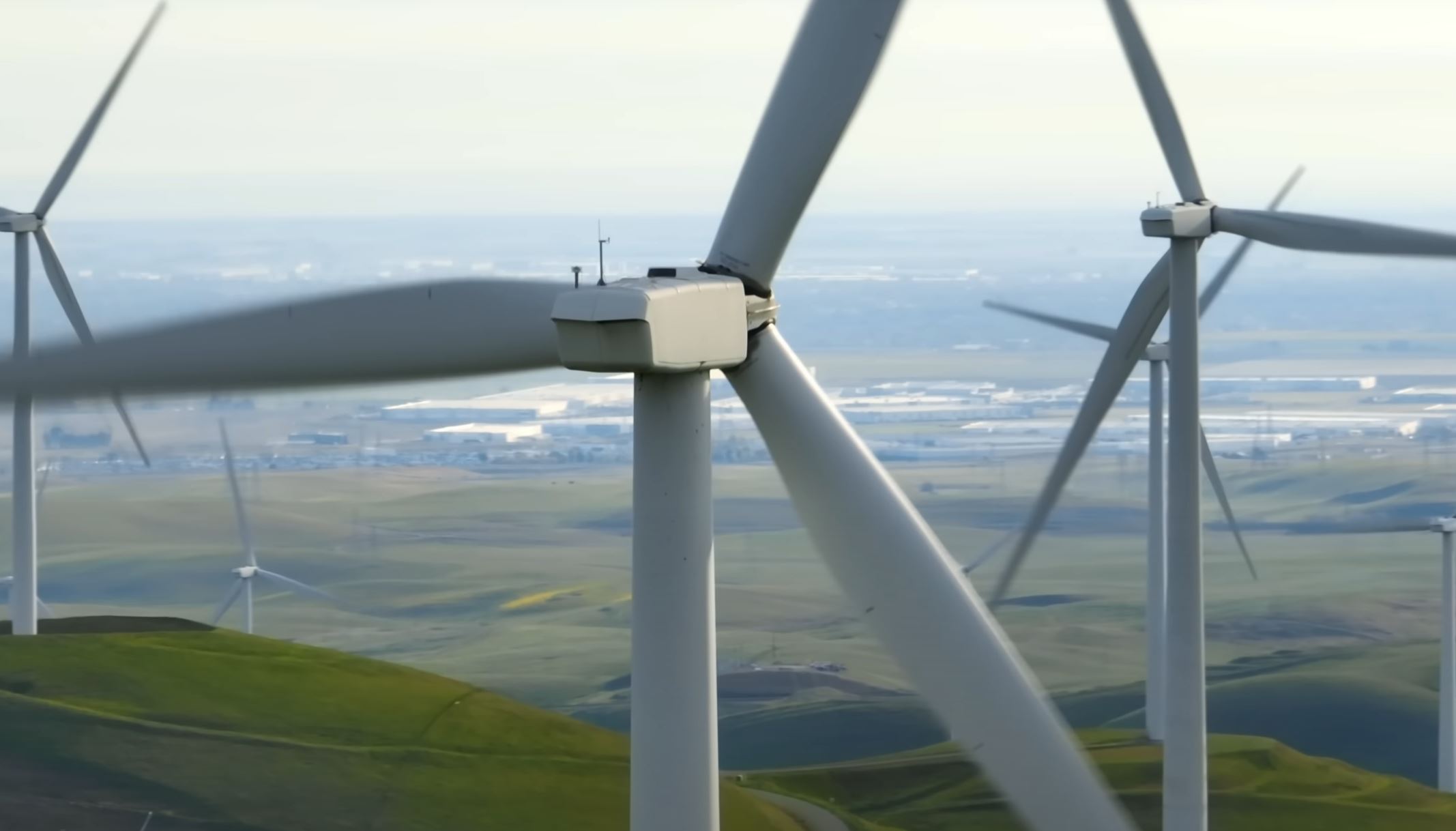
Trump, a long-time critic of wind energy—famously calling turbines “ugly” and blaming them for everything from power outages to cancer—has previously targeted renewable projects. But this latest decision marks a departure from past rhetoric by invoking national security, a rationale that lacks transparency and has drawn scepticism.
“This is shaky ground,” said Jesper Kongskov, editor-in-chief of Dagbladet Børsen and a prominent business commentator. “We all know about the strained relations between Denmark and the U.S. over Greenland. Given that the Danish state is a major shareholder in Ørsted, it’s hard not to wonder if there’s more to this decision than meets the eye.”
Indeed, tensions flared in 2019 when Trump floated the idea of buying Greenland—a Danish autonomous territory—only to be firmly rebuffed by Danish officials. The incident left diplomatic relations frosty, and some analysts now speculate that the wind farm decision could be a form of indirect retaliation.
Ørsted has responded with growing frustration. In a public statement, the company emphasized that the project was fully permitted, environmentally vetted, and well underway when the order came. It is now evaluating the financial fallout and “considering legal action” against the U.S. government.
Environmental advocates and energy experts have also voiced concern, warning that halting a nearly finished clean energy project undermines U.S. climate goals and sends a chilling message to international investors.
For Denmark—a country that has staked its economic and environmental future on green innovation—the episode is more than a business setback. It’s a geopolitical puzzle with potentially far-reaching consequences for transatlantic cooperation in the clean energy era.
As the world watches, one question looms: Was this really about national security—or something else entirely?