
Danish intelligence has confirmed a heightened risk of espionage and sabotage tied to a Ukrainian arms factory soon to open on Danish soil. The facility, run by the Ukrainian defence company Fire Point, will produce solid rocket fuel at Skrydstrup air base—an announcement that immediately drew warnings from the Danish Security and Intelligence Service (PET).
“There is a threat of espionage and sabotage against the Ukrainian company,” PET said in a written response to DR. “Neither FE (Defence Intelligence Service) nor PET assess that ordinary Danish citizens or homes are of interest to Russia.”
The stakes are high. Fire Point is the maker of the new “Flamingo” cruise missile, capable of striking targets up to 3,000 kilometres away. President Volodymyr Zelensky has hailed it as Ukraine’s most successful missile to date.
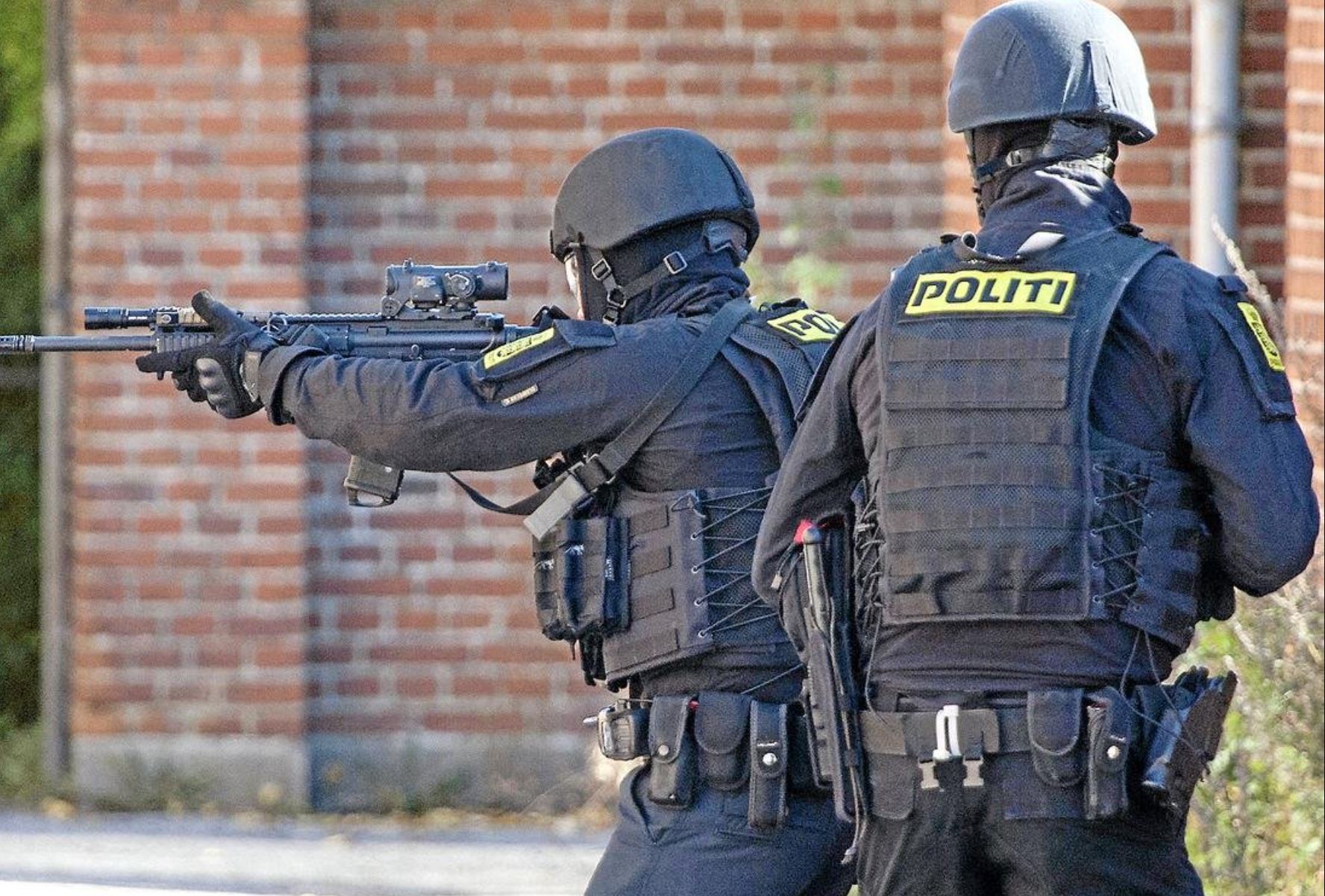
For Denmark, the plant cements its role as a critical supplier to Kyiv. But it also makes the country a potential target. PET has already warned that Russia is increasingly willing to use hybrid tactics—including sabotage—across Europe. “Denmark is an active contributor to Ukraine,” the service noted earlier this year. “It is against this background that we assess there is an increased threat of physical sabotage from Russia against both military and civilian targets linked to support for Ukraine.”
Recent events in Britain show how that threat might play out. Earlier this year, British police accused Russia of recruiting three men through Telegram to torch a warehouse in East London belonging to a Ukrainian company. The blaze caused nearly 9 million kroner in damages. Investigators later discovered explosives at one suspect’s home, along with evidence the group planned further attacks on businesses owned by Kremlin critics. Moscow’s embassy in London dismissed the allegations, calling them another example of the West blaming Russia “for everything bad.”
Danish Defence Minister Troels Lund Poulsen tried to strike a balance at yesterday’s press conference. On one hand, he acknowledged that the risk of sabotage and espionage “is high” given the current security climate. On the other, he downplayed suggestions that publicly naming Skrydstrup as the site was reckless. “If Russia were to attack this company, you would also be going to war with a NATO country,” he said. “I consider that to be completely hypothetically unlikely.”
To conclude, Denmark is betting that NATO’s shield deters direct strikes. But intelligence officials are clear—the real danger lies in the shadows, where sabotage and espionage are far harder to defend against.