
In Nigeria, a growing and unregulated trade in game meat, including species like antelopes, pangolins, bats, and snakes, has raised alarm bells among health experts and conservationists alike. These animals, which are often grilled over open fires in street markets, are increasingly popular among the population, particularly in rural and urban areas. While the practice is rooted in tradition, it is now raising concerns about the potential risks of pandemics, environmental degradation, and the rise of black markets for endangered species. This article explores the economic and social factors behind the rise of Nigeria’s game meat market, its implications for public health, and the role of the government in regulating this burgeoning trade.
The Allure of Game Meat in Nigeria: A Strong Market
The consumption of wild game meat, often referred to as “bush meat,” has been part of Nigerian culture for centuries. Traditionally, game meat is considered a delicacy, prized for its taste and perceived health benefits. In some communities, it also carries a status symbol, signalling wealth or access to rare foods. In urban markets, game meat is often sold alongside more common meats like chicken and goat, though at a premium price due to its rarity and desirability.
One of the main factors contributing to the strength of the game meat market is its affordability. For many Nigerians, particularly those in rural areas, game meat is often more accessible than domesticated livestock. As Nigeria’s population continues to grow, the demand for protein-rich food has risen, with bush meat becoming an attractive alternative to increasingly expensive farmed meat.
Moreover, the rise of street food culture in Nigerian cities, where grilled or roasted meats are popular snacks, has fuelled the demand for game meat. In these bustling markets, the aroma of freshly grilled bush meat can be intoxicating, attracting both locals and tourists. These informal markets, however, operate outside of government regulations, leaving the trade largely unmonitored and unsupervised.
Economic Factors Driving the Rise of Game Meat Consumption
Several economic factors contribute to the popularity of game meat in Nigeria, chief among them being poverty and food insecurity. As the country faces high levels of unemployment and economic challenges, more people turn to alternative sources of income and food. Hunting and trading in wild animals provide economic opportunities for those without formal jobs, creating a market that is difficult for the government to control.
The Role of Black Markets and Unregulated Practices
The game meat trade is largely informal, and as such, it often thrives in black markets where prices are not regulated, and animals are hunted without concern for conservation laws. Nigeria is home to several endangered species, and the demand for exotic meats like pangolins, bats, and various antelope species has led to illegal poaching. Wildlife conservationists have raised concerns that these species are being driven to the brink of extinction due to overhunting.
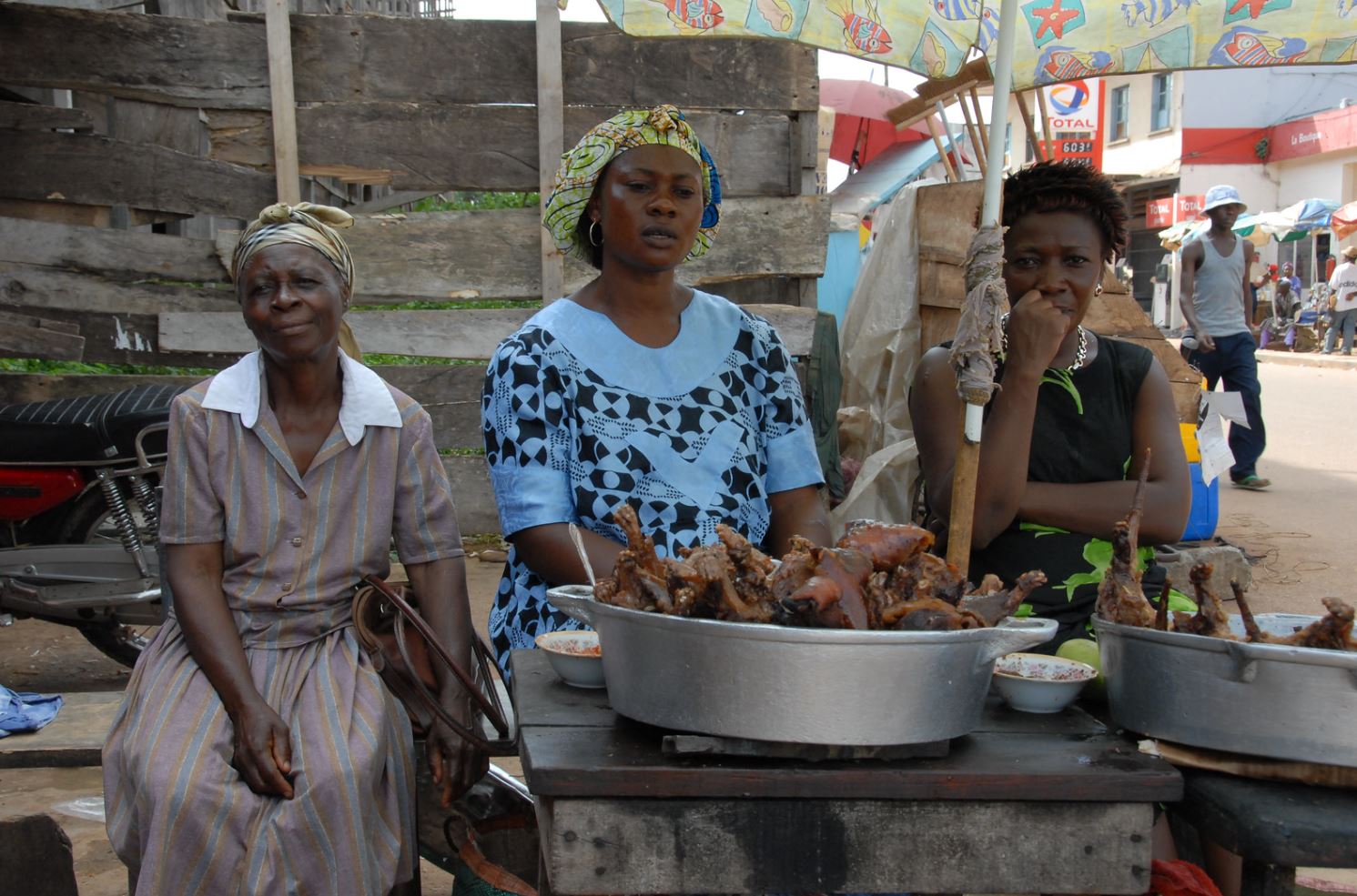
The lack of regulation also means that health risks associated with game meat consumption are often ignored. The preparation of these meats, often done in unsanitary conditions, increases the risk of contamination and disease transmission. As the global market for bush meat expands, the unregulated trade can also contribute to the trafficking of wildlife across borders, further exacerbating the illegal wildlife trade.
The Pandemic Threat: Could Game Meat Lead to Global Health Risks?
One of the most alarming concerns surrounding the consumption of game meat is its potential to serve as a breeding ground for zoonotic diseases—diseases that can jump from animals to humans. The world witnessed the devastating effects of the COVID-19 pandemic, with some theories suggesting that the virus could have originated from wildlife in wet markets, possibly through the sale of bats or pangolins. Similarly, diseases like Ebola, HIV, and SARS are believed to have crossed over to humans through the consumption of bush meat.
The close interaction between humans and wild animals in the trade and consumption of game meat increases the likelihood of cross-species transmission of pathogens. Inadequate cooking, improper handling, and the sale of meat from animals that have not been properly inspected for disease also pose significant public health risks. While not all game meat poses a direct risk for pandemics, the practice creates the perfect storm for emerging infectious diseases, particularly as humans encroach further into wild habitats.
Scientists have long warned that the destruction of natural ecosystems, combined with the increased interaction between humans and wild animals, is a key factor driving the emergence of new diseases. In Nigeria, where the bush meat trade is widespread, the potential for new zoonotic diseases is significant.
The Government’s Role: Regulating the Game Meat Market
The Nigerian government has taken some steps toward regulating the trade in game meat, but enforcement remains weak. Wildlife protection laws exist, but they are poorly implemented, and many of the informal markets operate without oversight. Poaching, hunting endangered species, and selling game meat in unsanitary conditions continue unabated. While some local governments have made efforts to curb illegal hunting, these initiatives are often underfunded and lack the necessary resources to make a significant impact.
Part of the problem lies in the lack of political will and the fact that the bush meat trade supports the livelihoods of many Nigerians. Implementing strict regulations could have far-reaching economic implications, especially in rural areas where hunting and the sale of game meat are key sources of income. Nonetheless, experts agree that there must be a balance between economic opportunity and public health protection.
Scientific Evidence: Should We Be Worried About Pandemics?
While the direct link between the Nigerian game meat trade and specific pandemics has not been conclusively proven, the scientific consensus is clear: the consumption of unregulated bush meat carries risks. The World Health Organization (WHO) has repeatedly raised concerns about the link between wildlife trade and the emergence of zoonotic diseases. In particular, the trade in bats and pangolins has been highlighted as a significant concern.
Several studies have shown that these animals are often carriers of viruses that can infect humans. For instance, pangolins are believed to have played a role in the transmission of the SARS-CoV-2 virus, while bats have been implicated in the spread of viruses like Ebola and Nipah. As hunting practices become more widespread and less regulated, the risk of these diseases spilling over into human populations increases.
In terms of global public health, the potential for pandemics originating from unregulated game meat trade is a real threat. Experts warn that unless there is a concerted effort to regulate the market and address the root causes of wildlife poaching and trafficking, the likelihood of future pandemics originating from the bush meat trade will continue to rise.
The Solution: Regulation, Education, and Alternative Proteins
To mitigate the health risks posed by the game meat trade, several steps need to be taken. First and foremost, there is a need for stronger regulation and enforcement of wildlife protection laws. The Nigerian government must allocate more resources to monitoring markets and curbing illegal hunting. This could include increased patrols in national parks, stronger penalties for poachers, and efforts to raise awareness about the dangers of consuming unregulated game meat.
Second, there is a need to promote alternative sources of protein. Nigeria’s agricultural sector has significant potential for producing more sustainable and safer sources of meat, such as poultry, goat, and fish. Government incentives for local farmers and ranchers could help reduce the dependence on wild animals for food.
Finally, public education campaigns are essential to raise awareness about the risks of consuming bush meat and the importance of protecting wildlife. Communities need to be educated on the potential dangers of zoonotic diseases and the importance of wildlife conservation for both health and environmental reasons.
Conclusion
Nigeria’s unregulated game meat trade represents a complex intersection of economic, cultural, and public health concerns. While the demand for bush meat remains strong, the risks it poses—both to global public health and to biodiversity—cannot be ignored. It is crucial that the government take a more active role in regulating the trade, while also promoting sustainable and safer alternatives for Nigerians in need of protein sources. By tackling both the immediate and long-term challenges posed by the game meat trade, Nigeria can safeguard its people’s health while also protecting its unique wildlife from further exploitation.