
Sweden is reckoning with one of its most serious transport disasters in recent memory after torrential rains triggered landslides and the derailment of a passenger train in the northeast. The storm, fuelled by a powerful cloudburst, tore apart roads and railways across Västernorrland and neighbouring regions, leaving casualties and renewing debate over the country’s readiness for climate-driven extremes.
Roads and Railways Torn Apart
The weekend storm system, known as “Hans,” dumped more than a month’s worth of rain in just 24 hours. Floods destroyed highways and destabilized embankments, particularly around Ångermanland. Near Härnösand, part of Highway 738 collapsed in a landslide, swallowing a car. Two people and two dogs were trapped; one man, aged 75, later died from his injuries.
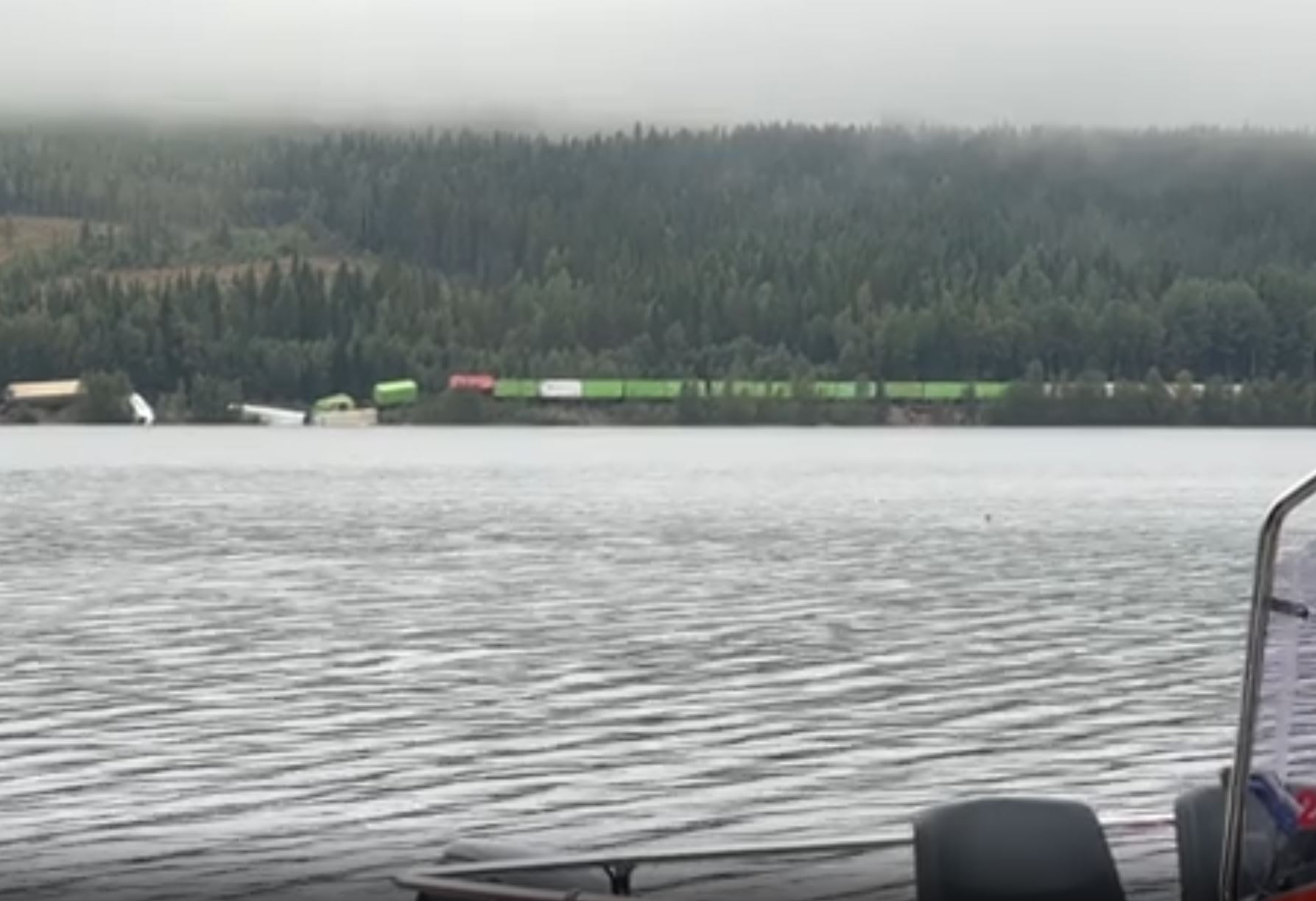
On Monday, the most serious incident unfolded near Hudiksvall when a train carrying around 120 passengers derailed after the ground beneath the tracks gave way. Emergency crews evacuated everyone on board, with at least three hospitalized. Officials have confirmed fatalities, though the full toll is still under review. Images from the site show tracks left hanging over a flooded river—an emblem of the destruction.
What Went Wrong
Initial investigations suggest that water overwhelmed culverts under the railway, washing out the embankment and collapsing the track bed. Railway authorities had lowered speed limits ahead of the storm, a move that likely prevented even greater loss of life. Still, the derailment highlights how vulnerable key infrastructure is to sudden weather shocks.
National Response
The Swedish Meteorological and Hydrological Institute issued red alerts, warning of “very serious consequences for society” as the storm spread disruption across ferries, flights, and power lines in the Baltic region. Prime Minister Ulf Kristersson acknowledged the growing link between such disasters and climate change, urging accelerated investment in climate adaptation.
Lessons for the Future
The Hudiksvall derailment is more than a local tragedy—it is a warning shot. Sweden’s transport networks, many built decades ago, were not designed to withstand the kind of intense rainfall events that are becoming more common. The country now faces a choice: adapt its infrastructure to a changing climate or face repeated breakdowns with mounting human and economic costs.
For Sweden, the question is no longer whether extreme weather will test its systems again, but how well prepared it will be when the next storm comes.