
The global oil industry is flashing red.
What began as a windfall for producers in the aftermath of Russia’s 2022 invasion of Ukraine — when crude surged past $110 per barrel — has rapidly turned into a crisis of profitability. Today, with prices hovering near $66 and forecasts from Wood Mackenzie pointing to sub-$60 levels by early 2026, the sector is undergoing its most severe retrenchment since the pandemic.
Major players — Chevron, BP, ConocoPhillips — are slashing tens of billions in spending, freezing investments, and laying off thousands. Capital expenditure across the industry is projected to fall over 4% this year, the first decline since 2020. “It’s a flashing red warning light for the entire US oil and gas industry,” Kirk Edwards of Latigo Petroleum told the Financial Times.
Shale Under Siege
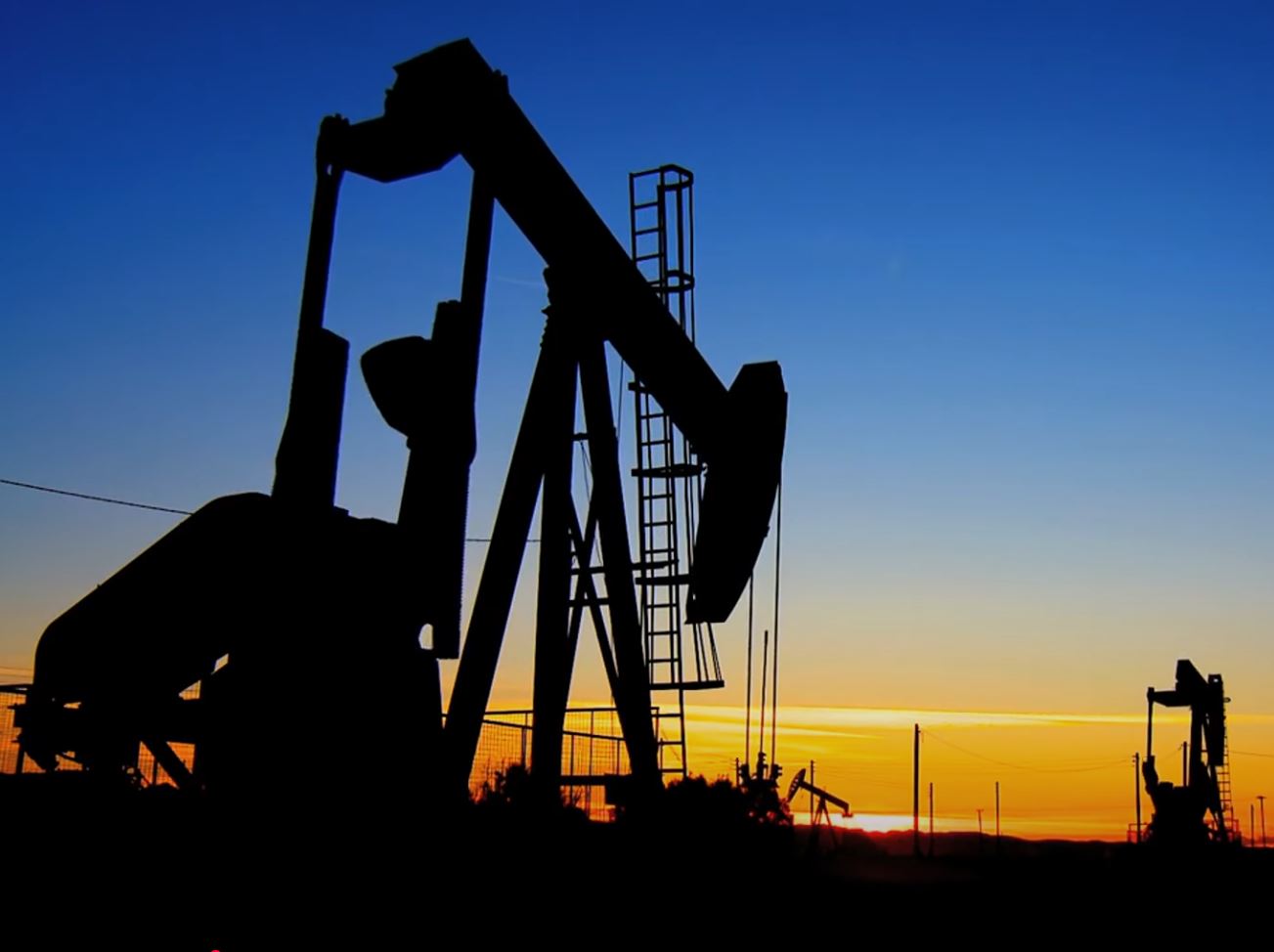
Nowhere is the pain sharper than in the American shale patch. Profitability here often hinges on prices above $65 per barrel — a threshold increasingly out of reach. The rig count has tumbled to four-year lows, signalling the first U.S. production decline since 2021. For Nordic investors with exposure to North American energy equities, this is a critical inflection point: the era of shale-driven growth may be giving way to consolidation and retreat.
Meanwhile, OPEC+ has shifted strategy — abandoning price defence in favour of market share. By flooding the market, the cartel is squeezing higher-cost producers, particularly in the U.S., accelerating the sector’s contraction.
Global Ripple Effects
The tremors are global. Saudi Aramco is divesting infrastructure to shore up capital. Malaysia’s Petronas is cutting thousands. Even European majors are not immune: BP continues aggressive workforce reductions to appease shareholders, while ExxonMobil — though financially robust — is tightening its belt.
For Nordic pension funds, sovereign wealth vehicles, and institutional investors, this signals heightened risk in legacy fossil portfolios. The calculus is changing: returns are no longer guaranteed, and stranded assets loom larger than ever.
Hydrogen: The Bright Spot in a Dimming Sector
Amid the gloom, one sector is surging: green hydrogen.
Global investment now exceeds $110 billion and is growing at over 50% annually — a staggering contrast to the retrenchment in oil and gas. While fossil fuel firms grapple with costs outpacing revenues, hydrogen is drawing capital on the strength of its long-term promise: scalable, zero-carbon energy for industry, transport, and power.
Nordic nations — already leaders in renewable integration and carbon-neutral ambition — are uniquely positioned to capitalize. Denmark’s hydrogen valleys, Norway’s offshore electrolysis projects, and Sweden’s steel decarbonization initiatives are not just national priorities — they’re global showcases. For Nordic investors, the message is clear: the future isn’t just greener — it’s hydrogen-powered.
Strategic Takeaway for Nordic Stakeholders
The oil industry’s “red warning light” is more than a market signal — it’s a structural turning point. Cost discipline and consolidation may stabilize balance sheets in the short term, but they won’t reverse the long-term headwinds: volatile prices, policy-driven decarbonization, and shifting capital flows.
Nordic businesses and investors must ask: Are we doubling down on sunset assets — or pivoting to sunrise technologies?
The smart money is already moving. Hydrogen isn’t just an alternative — it’s becoming the anchor of the next energy economy. And in that transition, the Nordics aren’t just participants. They’re pioneers.
Nordic Business Journal: Guiding Capital Through the Energy Transition