
Denmark has just signed off on the most expensive arms purchase in its history—an air defence package worth 58 billion kroner. The deal, unveiled in Copenhagen this week, commits the country to acquiring eight medium- and long-range ground-based air defence systems from European suppliers.
Defence Minister Troels Lund Poulsen framed the decision as nothing less than a leap forward. “It is a reminder that we are strengthening our fighting power,” he told reporters. He called the new systems a “quantum leap” for Denmark’s security, arguing that the country must be able to defend itself far better in the years ahead.
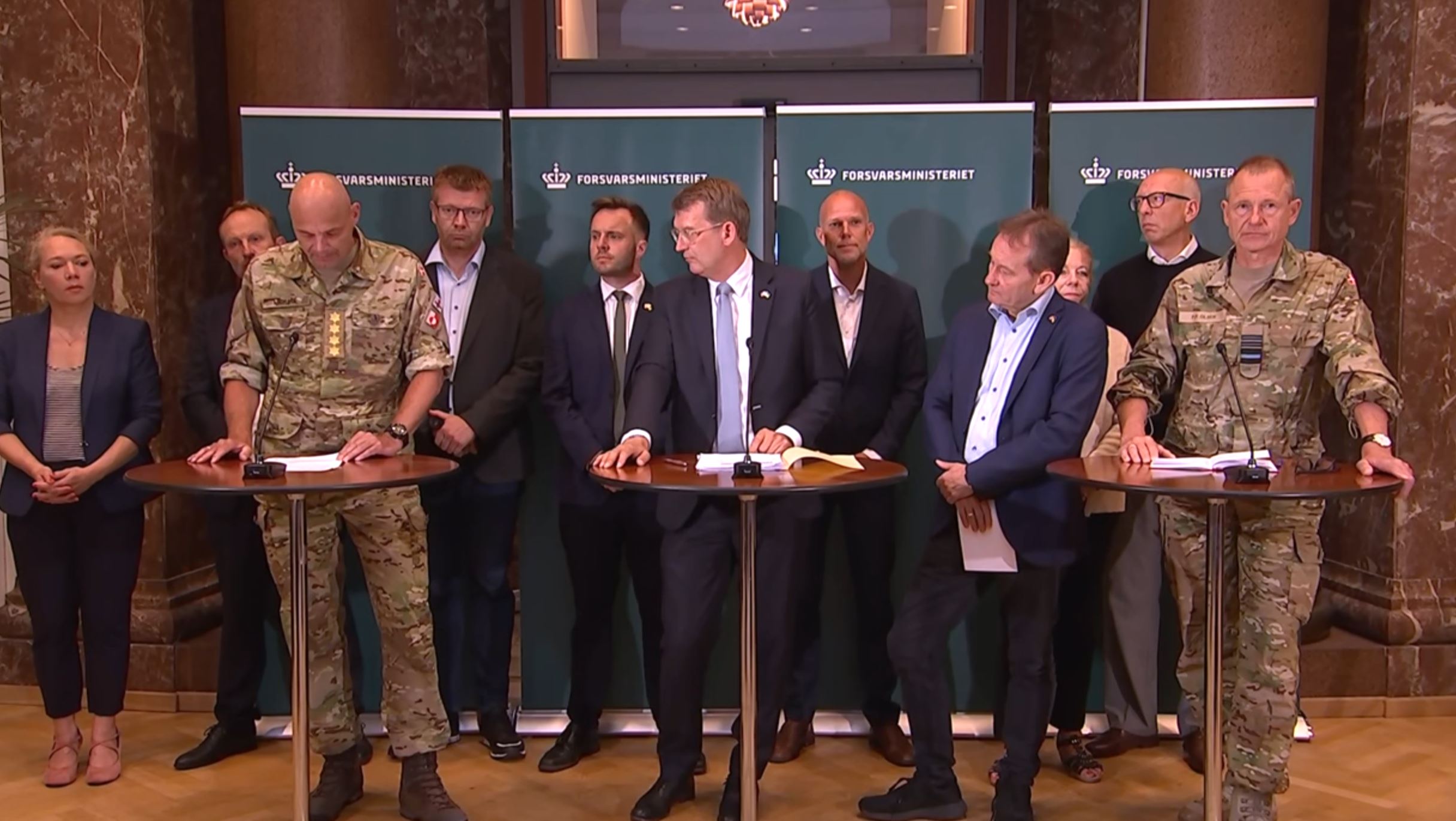
The price tag is unprecedented. Denmark has never before allocated so many billions to a single defence acquisition. The scope is also historic. With this package, Denmark reintroduces ground-based air defence for the first time since 2004.
The systems will be delivered by four European defence manufacturers. The long-range SAMP/T batteries will come from a Franco-Italian partnership, while medium-range units will be sourced from companies in Germany, France, and Norway. The first system is expected to be operational in 2025, with more added in the following years.
Chief of Defence Michael Hyldgaard did not sugarcoat the reasoning. “The war in Ukraine demonstrates that modern ground-based air defence is essential for defending the civilian population and critical infrastructure,” he said.
The decision follows an earlier order this summer for short-range defence systems from the same group of suppliers, worth another six billion kroner. Together, the two packages bring the total investment in air defence to 58 billion.
For the governing parties and their allies, the scale of the purchase is justified by the threat landscape. Social Democrat defence spokesman Simon Kollerup put it bluntly: “When we strengthen the defence of the skies over Denmark, we also make it safer to be down on the ground.”
Bottom line: Denmark is putting its money where its fear is. For a country that hasn’t fielded ground-based air defences in two decades, this is more than a procurement program. It’s a recognition that in today’s Europe, security is no longer guaranteed—and billions may be the price of peace.