
Russia and Belarus are turning up the pressure on NATO’s eastern flank, and the ripple effects are reaching Nordic boardrooms as much as military bases. Drone incursions into Polish airspace and large-scale Russian-Belarusian drills have triggered emergency mobilizations across the alliance. For Nordic economies, it’s a reminder that security and business are now tightly intertwined.
Markets Move with Missiles
On September 9, Polish radar operators detected nearly two dozen drones launched from Russia and possibly Belarus. Several were shot down by NATO jets, but not before fragments struck areas near transport hubs vital to Ukraine’s supply lines. It was the first time NATO aircraft had destroyed Russian hardware over alliance soil, and the political shock is now rippling into procurement budgets, energy security debates, and regional investment risk calculations.
Warsaw quickly invoked Article 4 of the NATO Treaty, demanding consultations. For defence contractors, that single step is as consequential as any military manoeuvre—it signals a coming wave of accelerated spending and cross-border coordination.
Nordic Leaders Signal Bigger Budgets
Nordic governments responded not just with words but with resources. Denmark pledged F-16s and naval assets. Sweden warned that the episode underscores “the acute vulnerability of the Baltic region” and tied that warning directly to calls for closer Nordic defence cooperation. Finland reiterated solidarity with Poland while highlighting the importance of joint air defence drills. Norway zeroed in on the hybrid angle, stressing that drone threats in the Arctic and Baltic are rising—and that counter-drone technology will be a priority.
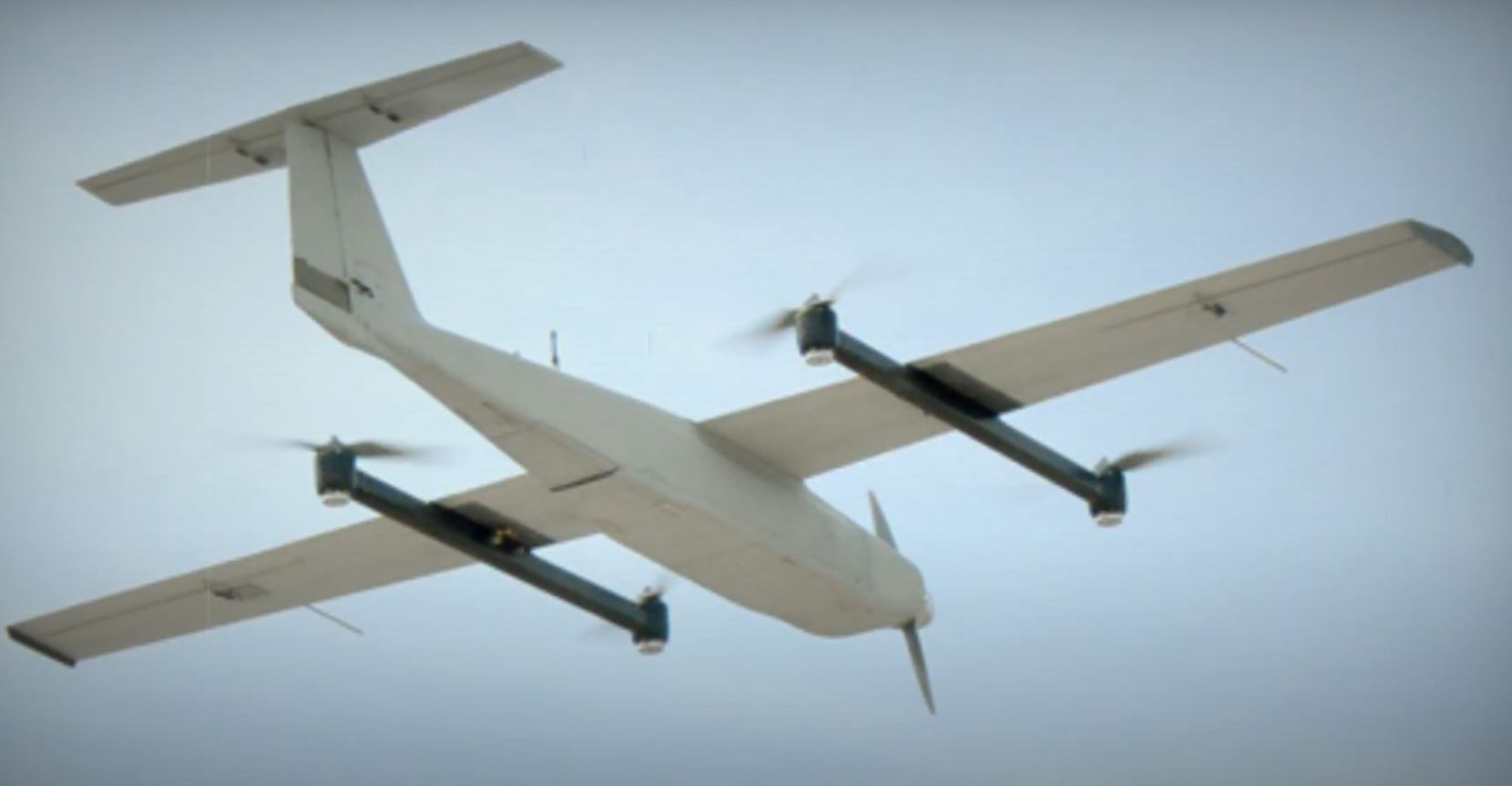
For Nordic defence firms like Saab and Kongsberg, the message is clear: the procurement cycle is about to accelerate. Joint Nordic projects, from next-generation air defence to intelligence-sharing platforms, are likely to move from discussion into funding.
EU and NATO Double Down
Brussels condemned the incursions as “a provocative escalation targeting EU and NATO sovereignty.” Commission President Ursula von der Leyen framed it as “reckless brinkmanship” but followed with a call for tighter border and airspace protocols across Northern and Eastern Europe.
NATO responded with its Eastern Sentry mission—deploying aircraft from five member states and putting Patriot batteries on high alert in Poland. This level of mobilization comes with a price tag: logistics contracts, cybersecurity upgrades, and expanded air defence networks will all draw on European, and especially Nordic, industrial capacity.
Washington’s Rhetoric, Europe’s Spending
President Donald Trump blasted the incursions as “a disgraceful test of NATO’s resolve” but again pressed Europe to “pay more for its own defence.” While his tone divided European leaders, his point underscores a reality: much of the burden will fall on European treasuries and industries. Nordic defence suppliers are well positioned to benefit from this pivot.
The Business Bottom Line
For Nordic investors and companies, the latest incidents are not just another headline in the Ukraine war. They mark a turning point where drone defence, missile batteries, and surveillance systems are no longer seen as niche procurement lines but as strategic necessities. Expect defence budgets in Stockholm, Copenhagen, Helsinki, and Oslo to climb further. Expect regional joint procurement to tighten. And expect private sector involvement in everything from AI-driven drone detection to Arctic surveillance infrastructure.
As Sweden’s defence minister put it: “Finland, Sweden, Denmark, and Norway will not be passive bystanders as provocations mount.” For Nordic industries, that means a surge of opportunity—born from necessity.