
Denmark’s Air Force is running out of runway. NATO has warned that the country’s fleet of F-35 fighter jets is too small to meet the alliance’s growing demands. Unless Denmark adds roughly 16 new aircraft to its arsenal, it risks falling short of its defence commitments.
A Shortage That Keeps Growing
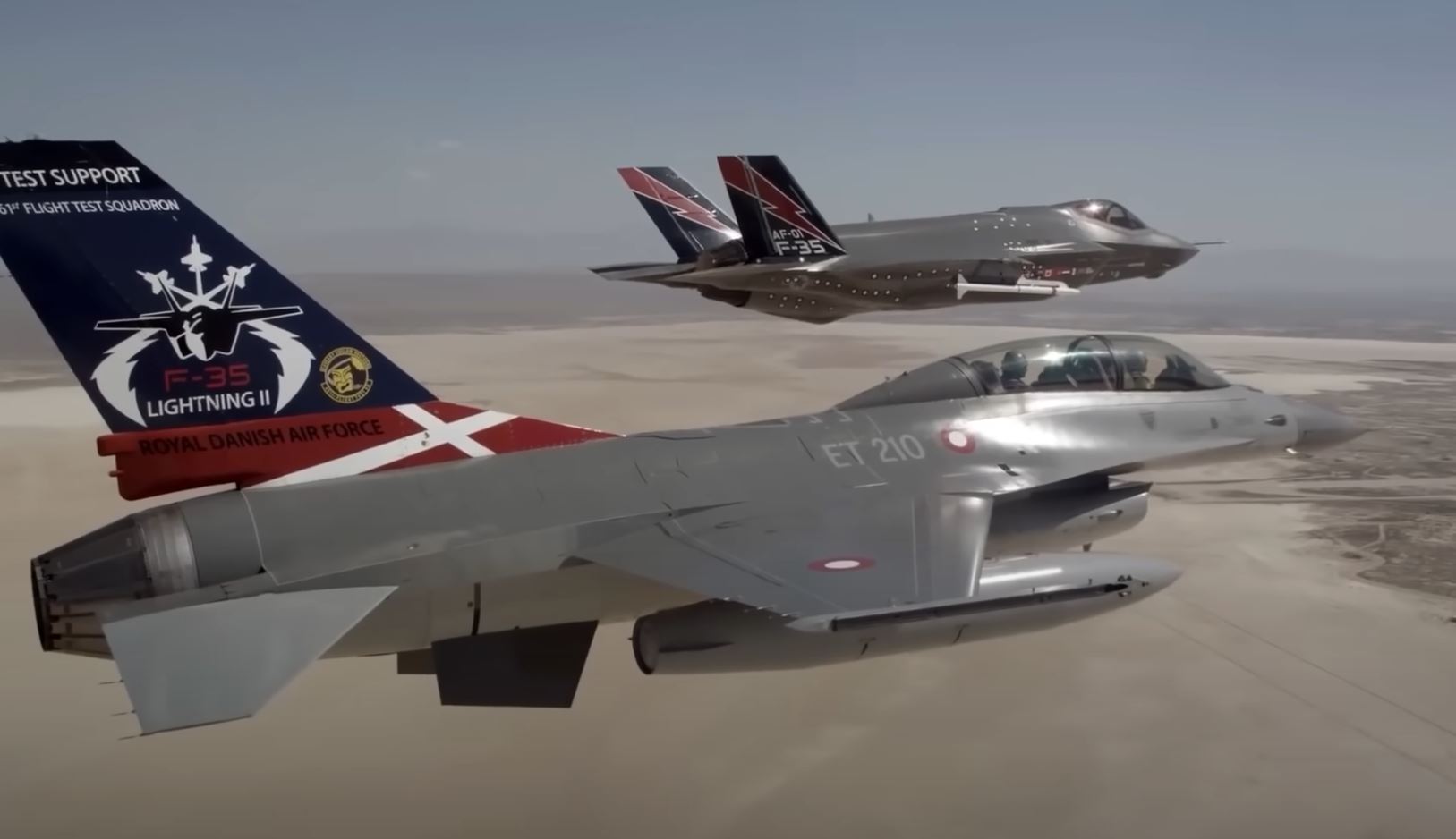
Back in 2016, Danish lawmakers signed off on 27 F-35s. The plan was simple: 21 jets would operate out of Skrydstrup Air Base in Southern Jutland, while six more were stationed in the United States for training. Today, Denmark has received 21 aircraft—15 are at home, the rest across the Atlantic.
At the time, the math made sense. Those planes were meant to patrol Danish airspace, handle sovereignty missions, and contribute to international operations. But the war in Ukraine changed the equation. So did Iran’s missile attacks on Israel and Russia’s relentless strikes on Ukrainian cities.
NATO’s new target: Denmark must field 43 combat-ready jets. That means boosting its fleet by 60 percent.
Why Numbers Matter
Modern air defence is brutally expensive. Denmark has already pledged 58 billion kroner for a ground-based missile shield. Yet even that can’t block every drone or rocket. Israel’s experience this spring proved the point—fending off a massive Iranian attack cost around one billion US dollars in defensive fire alone.
The conclusion among NATO planners is clear. Defensive systems can’t stand alone. Fighter jets are needed to strike the launch sites before the missiles ever leave the ground.
As military analyst Esben Salling Larsen of the Danish Defence Academy puts it: “If we are constantly being fired at, we must constantly be successful defensively. But it may be more effective to hit the source directly so no more missiles come.”
Denmark’s Expanding Duties
The Air Force’s list of responsibilities keeps getting longer. Jets are expected to patrol Danish skies as a kind of armed police force, to contribute to NATO deterrence missions against Russia, and to operate in Arctic airspace out of Greenland.
Recent exercises underline the point. Two F-16s were flown to Pituffik Space Base in northern Greenland to test Arctic operations, while Denmark tied its role in NATO’s aerial refueling program directly to keeping fighters active in the North Atlantic.
Bottom line: the current fleet can’t cover it all.
The Bigger Picture
NATO’s demands are not just about Denmark. Across Europe, military staffs are rethinking what it takes to survive in a world where drones and missiles can be fired cheaply and in swarms. The lesson is sobering: protecting cities night after night with interceptor missiles is both unsustainable and unaffordable.
That’s why Denmark’s decision years ago to buy “just enough” aircraft has become a liability. More F-35s aren’t the whole answer—pilots and crews would also need to specialize in offensive strike missions—but they are the starting point.
For now, the pressure is on Copenhagen. Either Denmark finds the money and political will to expand its fleet, or it risks being the weak link in NATO’s northern defences.