
Sweden’s security landscape has been shifting rapidly in recent years, influenced by the ongoing war in Ukraine, the country’s pursuit of NATO membership, and an increasingly complex geopolitical environment. In a landmark new report, the Swedish Armed Forces (Försvarsmakten) and the Swedish Civil Contingencies Agency (MSB) have outlined seven possible scenarios that could see Sweden drawn into conflict. The document, titled Starting Points for Total Defence 2025-2030, is both a wake-up call and a strategic blueprint for the nation to bolster its defence infrastructure.
According to the report, Sweden could face a variety of threats, ranging from hybrid warfare and cyberattacks to full-scale military incursions. While these threats vary in nature, the document emphasizes the importance of preparation at every level of society—from government agencies to ordinary citizens. It calls for a national mindset shift: Sweden must be ready for longer, more intense periods of conflict and resource scarcity, while simultaneously strengthening resilience against non-traditional forms of warfare.
A Swift and Unexpected Assault
Perhaps the most striking scenario outlined in the report is a sudden and unpredictable attack, particularly targeting Gotland, the Swedish island strategically located in the Baltic Sea. This could involve a rapid military landing supported by drones and fighter jets, and would be designed to create chaos, disrupt vital communication and transportation routes, and demonstrate the aggressor’s military might.
Commander-in-Chief Michael Claesson, who helped compile the report, describes this as a scenario that could unfold “quickly and unexpectedly.” This unpredictability is a key feature of hybrid threats—covert, multifaceted attacks designed to destabilize a country without clear declarations of war.
While a direct assault on Gotland might seem like a worst-case scenario, the report does not shy away from other high-impact threats, such as extensive airstrikes against densely populated Swedish cities or attacks in northern Sweden. These could escalate rapidly and force Sweden into a broader conflict, potentially involving neighbouring NATO countries or other global powers.
Hybrid Threats and National Resilience
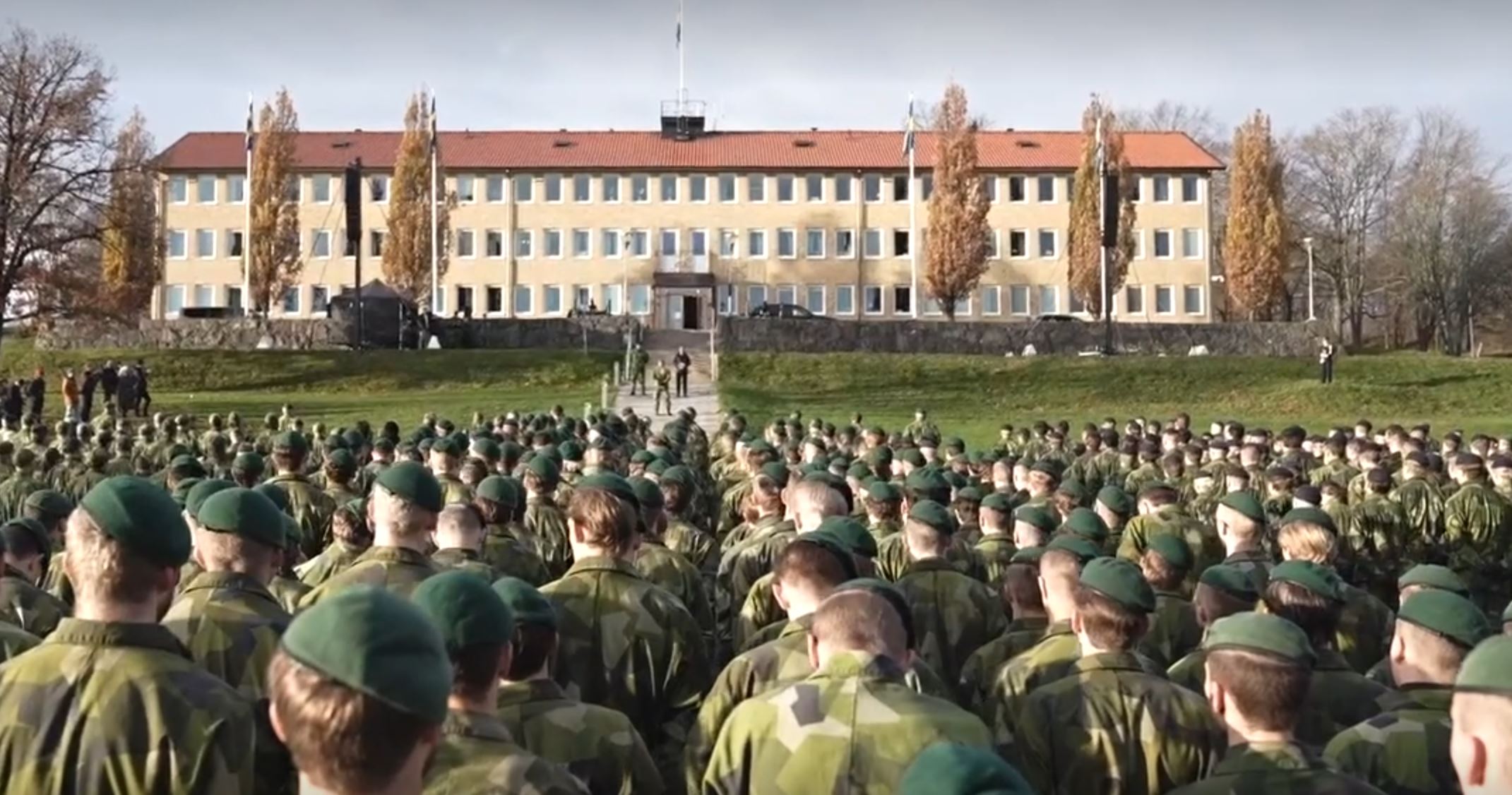
The report makes a particularly important point about the nature of contemporary warfare. It notes that hybrid threats, which blend military action, cyber warfare, misinformation, and economic pressure, are “already here.” These threats often occur below the threshold of traditional warfare and may be difficult to detect or respond to in real time. Sweden’s vulnerability to such actions could be exacerbated by its geopolitical position—sandwiched between Russia and NATO countries—and its growing role in providing support to its neighbours, especially in Finland and the Baltics.
Michael Claesson warns that Sweden must urgently fortify its defences against these hybrid strategies. “We need to create strength, resilience, and deterrence within society,” he states, urging both public and private sectors to be prepared for a broader range of scenarios that may not look like traditional military attacks.
The report also highlights the importance of “host nation support,” where Sweden could be drawn into conflict by its support for neighbouring countries, such as Finland or the Baltic states. These types of entanglements, while perhaps less direct, could still draw Sweden into a wider regional conflict.
Civil Society’s Role in National Defence
In addition to military preparedness, the Swedish authorities are emphasizing the need for civil society to be ready for wartime scenarios. For example, Swedish authorities have outlined an ambitious plan for total defence, which includes the capacity to withstand at least three months of conflict on European soil. This means that government agencies and private sectors alike need to be capable of self-sustaining activities for at least two weeks during the initial stages of an attack.
“We’re talking about the critical period when an armed attack begins,” explains MSB Director-General Mikael Frisell. “During this time, key national services should be able to operate independently, using their own resources, for up to two weeks.”
This level of preparedness is a high benchmark, but Frisell points to the war in Ukraine as evidence that such readiness is not only desirable but essential. As demonstrated in Ukraine, the first weeks of conflict are crucial in establishing a nation’s resilience and maintaining order in the face of disruption.
Sweden’s Seven Scenarios: Preparing for the Worst
The Starting Points for Total Defence report lists seven scenarios that Sweden must prepare for:
- Hybrid Threats: A multifaceted, covert campaign aimed at destabilizing Sweden through cyberattacks, misinformation, and economic disruption.
- Host Country Support: Sweden’s involvement in aiding neighbouring countries, such as Finland or the Baltic states, could drag the nation into a conflict.
- Attack on Northern Sweden: A military offensive targeting Sweden’s sparsely populated northern regions, potentially to disrupt vital infrastructure and resources.
- Attack on Gotland: A rapid assault on the strategically important island, involving drones, fighter jets, and ground troops.
- Airstrike: A significant air campaign aimed at Sweden’s urban centres, infrastructure, and military assets.
- Reinforcement in Finland: Sweden’s potential involvement in supporting Finland, a NATO member, could bring Sweden directly into a conflict with adversarial forces.
- Reinforcement in the Baltics: Swedish military support to Baltic nations facing external aggression, potentially pulling Sweden into a broader regional conflict.
While these scenarios may seem unlikely, the report stresses the interconnectedness of modern geopolitical threats. Multiple scenarios could unfold simultaneously, placing enormous strain on Sweden’s defence capabilities.
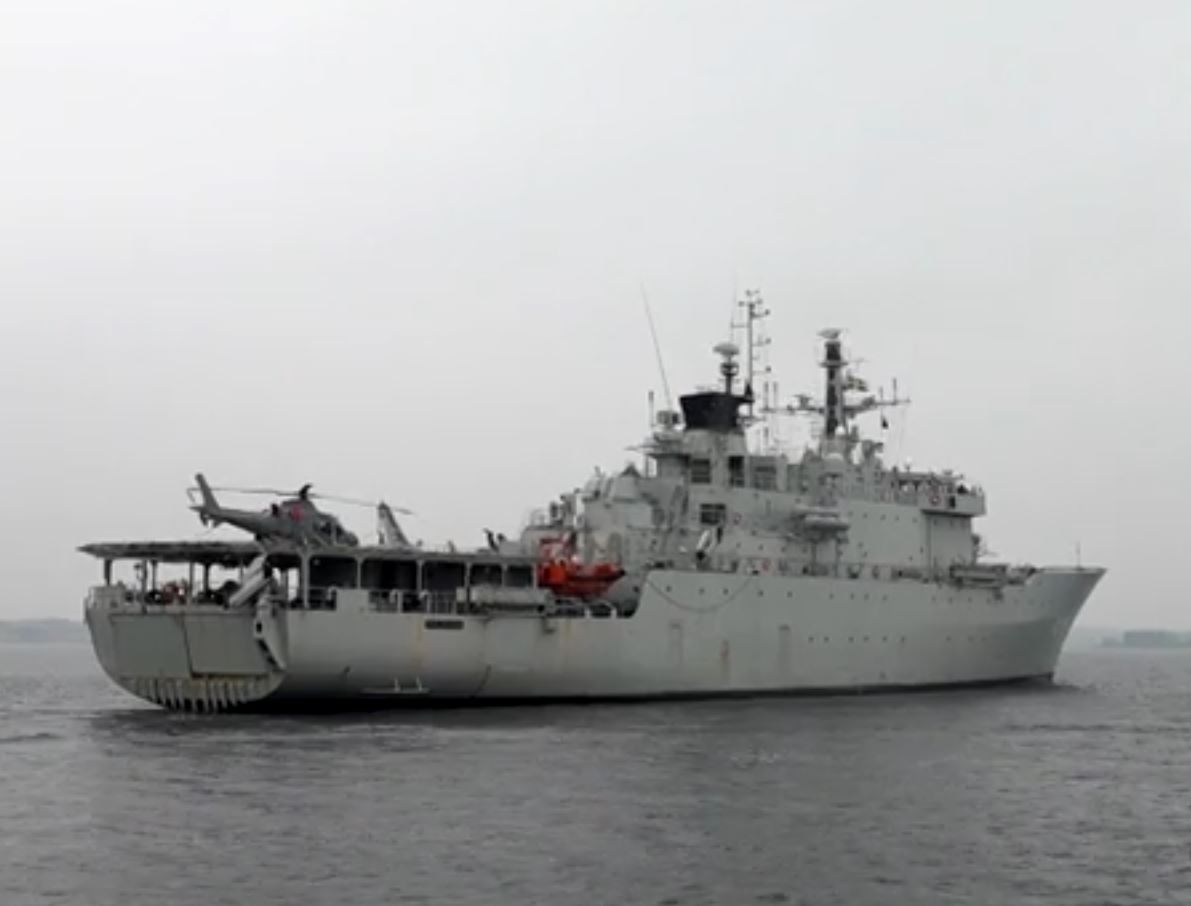
A Call for Comprehensive National Preparedness
The Starting Points for Total Defence report is clear: Sweden must bolster its defence infrastructure and prepare for a wide array of potential threats. However, it also signals a shift in national security strategy. While military preparedness remains paramount, civil society and private businesses must also play an active role in maintaining national resilience.
“Total defence is not just a military task—it is a national task,” Frisell concludes. “Everyone, from citizens to businesses, must be part of the solution.”
As Sweden looks toward the future, the need for a unified, all-encompassing approach to national defence has never been more urgent. With tensions rising across Europe and beyond, the nation’s ability to adapt and prepare for a broad spectrum of potential conflicts may prove to be the key to its survival in an unpredictable world.
Sources: Starting Points for Total Defence 2025-2030, MSB and the Swedish Armed Forces