
As of the latest available data, the unemployment levels in the Nordic countries present a mixed picture, reflecting diverse economic conditions and labour market dynamics. The following provides a comparison of the unemployment rates across Sweden, Denmark, Finland, Norway, and Iceland, with an emphasis on the most recent trends, as well as the mobility of unemployed individuals within the Nordic region, including the benefits they may be entitled to and the challenges they may face.
1. Sweden: 8.7%
Sweden’s unemployment rate stood at 8.7% in August 2025, according to Statistics Sweden (SCB). While this figure remained stable compared to previous months, it continues to be elevated compared to the pre-pandemic norm. Factors contributing to this high unemployment include the influx of students entering the workforce and a large portion of the population in part-time or temporary employment. Furthermore, Sweden’s unemployment rate includes individuals aged 15-74 and full-time students seeking extra work, which may distort the picture when compared to other countries in the region.
2. Denmark: 4.0%
Denmark currently boasts one of the lowest unemployment rates in the Nordic region, with 4.0% recorded in August 2025. Denmark’s relatively low unemployment is supported by a flexible labour market and robust economic growth, particularly in sectors such as green technology, renewable energy, and IT.
3. Finland: 7.8%
Finland’s unemployment rate stood at 7.8% in August 2025, showing slight improvement. Despite a recovering economy, Finland continues to face structural unemployment challenges, particularly among youth and long-term job seekers. Finnish policies have been focused on boosting skills development and improving labour market integration.
4. Norway: 3.9%
Norway’s unemployment rate was 3.9% in August 2025. The country benefits from a booming oil and gas industry and a strong welfare state that ensures economic stability. In addition to these sectors, Norway’s public services, high living standards, and labour market programs contribute to a low unemployment rate.
5. Iceland: 3.5%
Iceland reported an unemployment rate of 3.5% in August 2025, one of the lowest in the Nordic region. Iceland’s small but dynamic economy, driven by tourism, renewable energy, and fishing, helps sustain a low unemployment rate. Despite its small population, Iceland enjoys relatively low joblessness, particularly in comparison to the other Nordic countries.
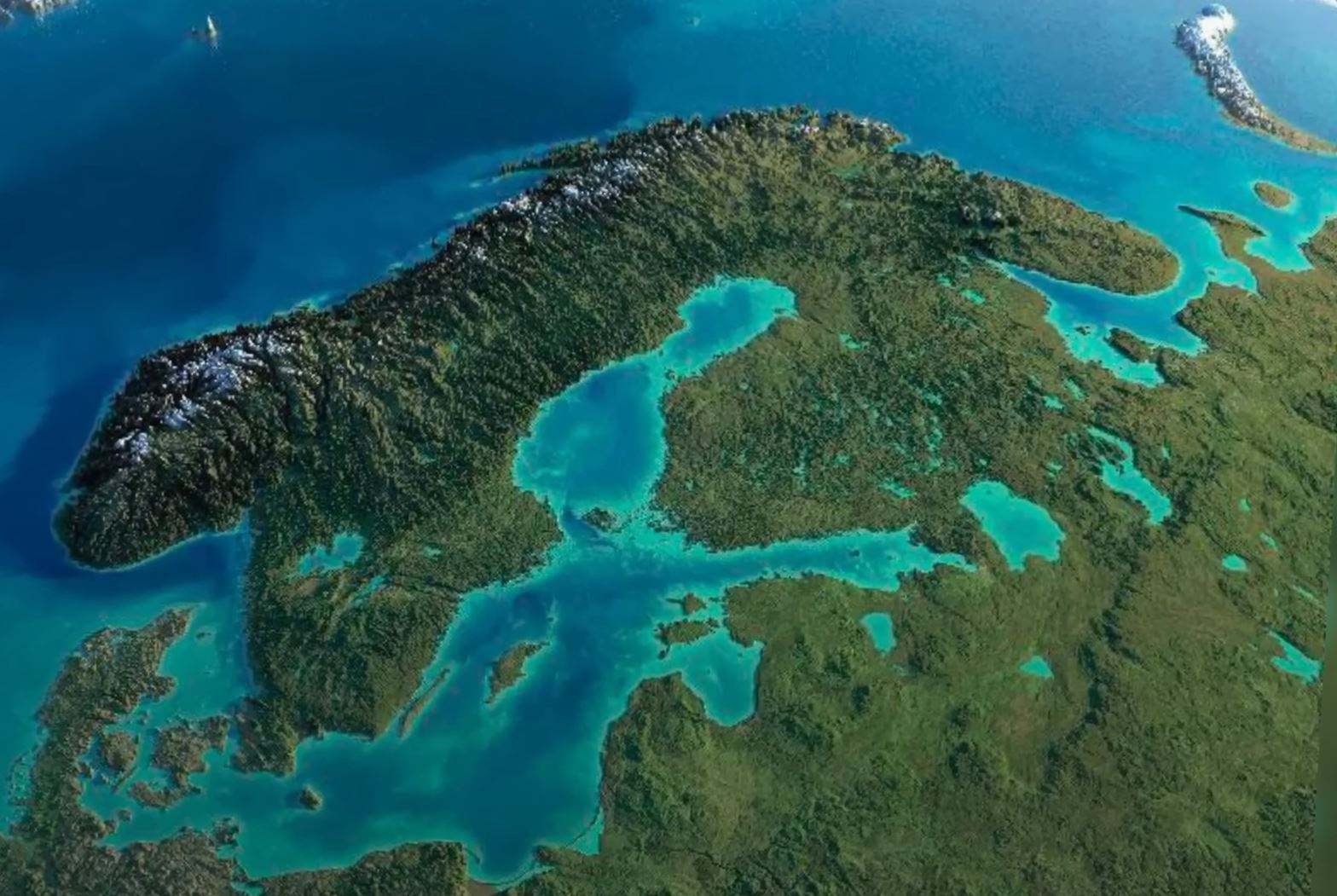
Regional Job Mobility: How Unemployed Swedes Can Seek Work in Other Nordic Countries
Given Sweden’s comparatively high unemployment rate, many job seekers may look to neighbouring Nordic countries for employment opportunities. The Nordic region, under the Nordic Labor Mobility Agreement, allows citizens from each country to freely move across borders in search of work. This agreement provides a unique advantage for unemployed Swedes who wish to explore job markets in Denmark, Finland, Norway, or Iceland.
Legal Framework for Job Mobility
- Freedom of Movement: The Nordic countries maintain a high level of labour market mobility. Citizens of Sweden, Denmark, Finland, Norway, and Iceland are allowed to live and work in any of the other Nordic countries without needing a work permit.
- Unemployment Benefits Across Borders: While Nordic countries have separate social welfare systems, unemployed individuals who move across borders may still be eligible for unemployment benefits under specific conditions.
- EU/EEA Rules: Sweden, as an EU member state, follows EU regulations that allow unemployed individuals to export their unemployment benefits to other EU/EEA countries for up to three months. After this period, eligibility for continued benefits may depend on finding work or registering with the local employment agency in the host country.
- Unemployment Benefits: If a Swedish citizen moves to another Nordic country, they may be entitled to unemployment benefits provided they have been previously employed in Sweden for a certain duration and have contributed to the Swedish unemployment insurance scheme. They must also register with the unemployment agency in the host country (such as Arbejdsformidlingen in Denmark or NAV in Norway).
- Transition Periods: There is often a transition period during which individuals will need to prove their job search efforts and adapt to the labour laws of the country they’ve moved to, which can impact the speed and ease of benefit approval.
Challenges Unemployed Swedes May Face
- Language Barriers: Although many people in the Nordic region speak English, each country has its own national language (Danish, Finnish, Norwegian, or Icelandic). For Swedes, this could present challenges in securing employment in countries where proficiency in the local language is a requirement.
- Denmark and Norway may be easier for Swedes due to linguistic similarities, but in Finland and Iceland, language barriers can be more significant.
- Job Market Differences: Each Nordic country has its own strengths and weaknesses in the job market. For example, Norway has a thriving oil and gas sector, while Finland is strong in technology and manufacturing. Unemployed Swedes may need to adjust their expectations and skill sets to match the specific demand in the host country.
- Cultural Adjustments: The work culture can vary across the Nordic countries. For example, Denmark places a strong emphasis on work-life balance, while Sweden has a distinctive flat organizational hierarchy that may differ from the work culture in Norway or Finland. The adaptation process can take time, particularly in a new labour environment.
- Access to Housing: In countries with low unemployment rates like Norway and Iceland, housing can be competitive, particularly in urban centres like Oslo and Reykjavik. The challenge for job seekers may not only be finding a job but securing affordable housing once they relocate.
- Social Security System: Though the Nordic countries share many common welfare features, such as universal healthcare and social security systems, the specific benefits and eligibility criteria can differ. This can cause confusion or delays for unemployed Swedes who move to a new country, as they may need to navigate different bureaucracies to claim benefits or apply for healthcare.
Summary Comparison:
| Country | Unemployment Rate (August 2025) | Key Challenges for Unemployed Swedes Moving Abroad |
| Sweden | 8.7% | High unemployment, especially among students and temporary workers. |
| Denmark | 4.0% | Potential language barriers for non-Danish speakers; competitive job market. |
| Finland | 7.8% | Language and cultural adjustment required, particularly for jobs outside tech or manufacturing. |
| Norway | 3.9% | High demand for jobs in specific sectors (oil, energy, and healthcare); potential housing challenges. |
| Iceland | 3.5% | Small job market, housing competition, and need for language adaptation. |
Conclusion:
Sweden’s high unemployment rate, particularly among students and young workers, may push many individuals to seek job opportunities in neighbouring Nordic countries. Thanks to the Nordic Labour Mobility Agreement, they are free to travel and work within the region. However, while the benefits of mobility are clear, challenges related to language, job market differences, cultural adjustment, and access to welfare systems remain. Understanding the legal frameworks and preparing for potential obstacles is essential for Swedes looking to build their careers in Denmark, Finland, Norway, or Iceland.
Produced by Ganileys Solution – A management Consultancy under D-Vectors based in Gothenburg, Sweden. Contact/Follow us for more