
As Sweden’s 2026 general election approaches, Minister of Finance Elisabeth Svantesson, representing the Moderate Party, is pinning her hopes on the newly unveiled government budget to bolster her party’s standing with voters. The budget, presented as a key element of the government’s strategy for securing re-election, seeks to reassure voters that Sweden is on the right track and ensure continued economic recovery. However, the response from opposition parties has been far from positive, with many lambasting the budget for its perceived inadequacies and ideological bias.
The Government’s Vision: Economic Stability and Long-Term Growth
Svantesson’s pitch for the 2026 budget is built around a central message: Sweden is not yet out of the woods, but with more years of commitment to her economic policies, the country will reach its full potential. The finance minister has emphasized a strategy that balances fiscal responsibility with targeted investments aimed at sustaining Sweden’s economic growth, all while reducing national debt over time.
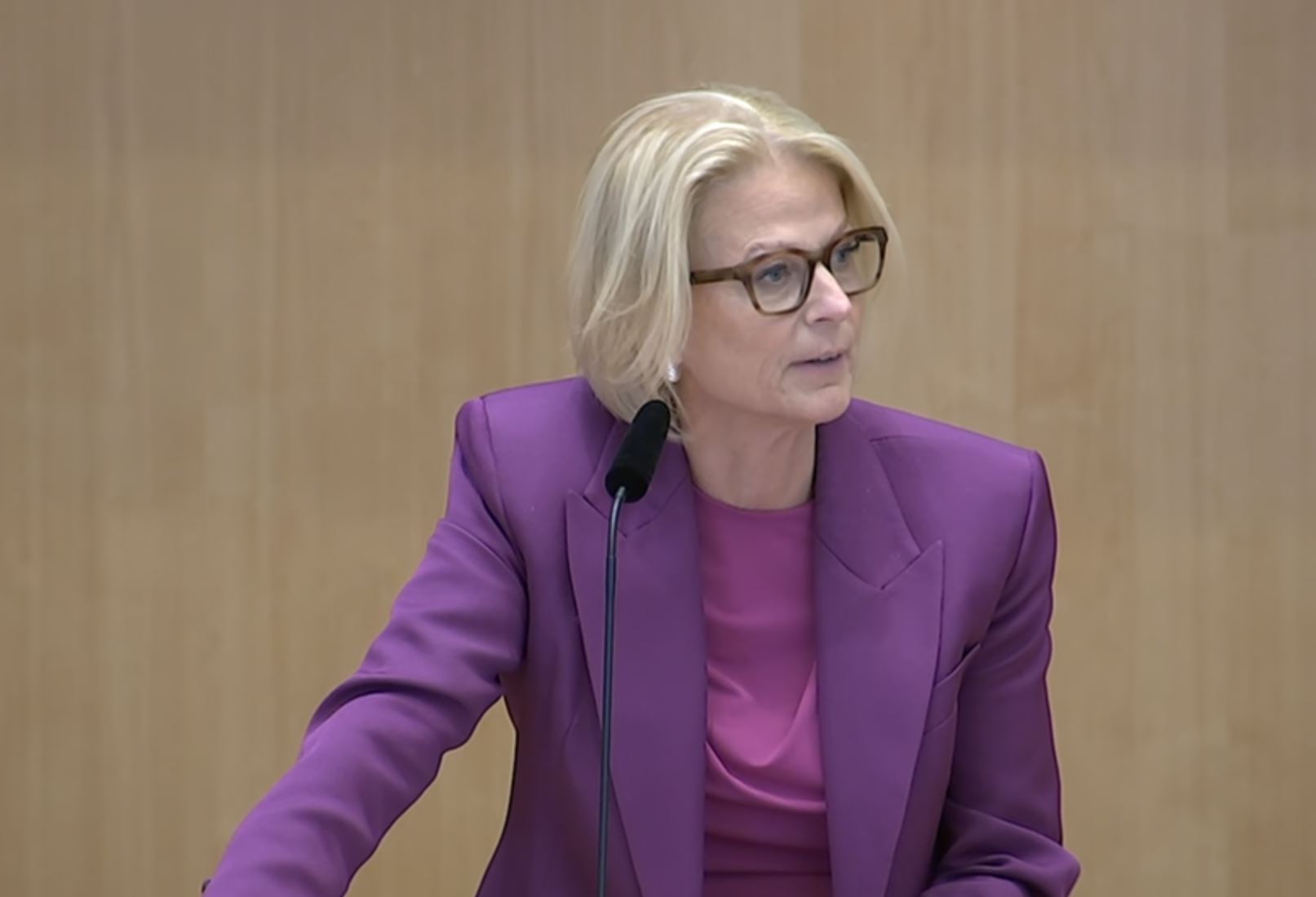
The government’s budget, which totals SEK 1.2 trillion, is divided into several key initiatives:
- Tax Cuts for Middle-Class Workers – A significant portion of the budget focuses on reducing income tax for workers in the middle-income bracket, with the aim of boosting consumer spending and stimulating domestic demand. Svantesson argues that this will not only provide immediate relief to voters but also incentivize productivity and work participation in the long term.
- Infrastructure Development – Sweden’s infrastructure is set to receive a significant boost, with SEK 50 billion allocated for transport projects, including road maintenance, public transport expansion, and energy-efficient solutions. Svantesson states that these investments are essential for ensuring that Sweden remains competitive in a globalized economy, and they will help reduce congestion and carbon emissions.
- Green Investment – With the rise of environmental concerns, the government has earmarked SEK 30 billion for green technologies, renewable energy initiatives, and carbon neutrality goals. Svantesson frames this as not only an environmental necessity but also an economic opportunity to place Sweden at the forefront of the green economy.
- Security and Defence Spending – The budget also accounts for Sweden’s growing commitment to defence, particularly in the wake of heightened geopolitical tensions in Europe. SEK 20 billion has been allocated for defence spending, including the modernization of Sweden’s armed forces and strengthening national security.
The Opposition’s Reactions: A Budget Built on Inequality and Cuts
Despite the government’s optimistic vision, the opposition has been vocal in its criticism of the budget, accusing Svantesson and the Moderate Party of prioritizing the interests of the wealthy and failing to address the needs of Sweden’s most vulnerable groups.
- Criticism of Tax Cuts for the Wealthy – One of the most contentious elements of the budget is the proposed tax cuts for high earners. While the Moderate Party claims these cuts will stimulate the economy by incentivizing high-income earners to invest and spend more, critics argue that this move disproportionately benefits the wealthy. Opposition leaders, including Magdalena Andersson of the Social Democrats, have labelled the tax cuts a “bailout for the rich,” accusing Svantesson of undermining Sweden’s traditional social welfare model.
- Cuts to Social Welfare and Health – The opposition has also raised concerns over the government’s decision to reduce funding for social welfare programs, including healthcare and housing. Despite claims that the government is focusing its budget on “long-term growth,” critics point to the fact that many vulnerable Swedes will feel the pinch immediately. Andersson and others have warned that austerity measures in the healthcare and social sectors will disproportionately affect the elderly, the unemployed, and immigrants, who rely on public services more than others.
- Environmental Concerns – While Svantesson has touted the SEK 30 billion in green investments, environmental groups and opposition parties argue that the funds are insufficient to meet Sweden’s ambitious climate targets. “A drop in the ocean” is how the Greens have described the investment, accusing the government of failing to grasp the urgency of the climate crisis. They contend that the amount is far below what is required to significantly reduce Sweden’s carbon footprint, and they call for a larger, more comprehensive green agenda.
- Security Overreach? – The allocation of SEK 20 billion to defence spending is another point of contention. While defence is increasingly seen as a necessity in the wake of Russia’s invasion of Ukraine and other global threats, some critics argue that the emphasis on military investment comes at the expense of other pressing needs. The Left Party has argued that the government is focusing too much on military buildup and not enough on maintaining Sweden’s status as a leading social democracy, where education, healthcare, and public welfare should take precedence over military expansion.
A Political Gamble: Svantesson’s Long-Term Strategy
While Svantesson’s budget is undoubtedly controversial, it’s clear that her long-term strategy is rooted in her belief that Sweden can only achieve prosperity through fiscal conservatism, investment in green technologies, and gradual tax relief. Her government’s approach is grounded in the idea that Sweden must remain competitive in the global market, secure its future through defence and infrastructure, and gradually reduce its public debt to ensure long-term sustainability.
However, the question remains: will voters buy into Svantesson’s vision, or will the budget’s perceived inequities and shortcomings cost her party the support it needs to retain power?
As election day nears, the budget will undoubtedly become a focal point of political discourse in Sweden. The government has framed it as a necessary step towards economic stability, but with the opposition’s vocal criticism and Sweden’s growing social divide, the jury is still out on whether it will succeed in winning over the electorate or if it will deepen existing political rifts.
In Conclusion
The 2026 budget, led by Finance Minister Elisabeth Svantesson, is a bold political statement, offering tax cuts, infrastructure investments, and green initiatives while maintaining fiscal conservatism. However, opposition parties view it as a missed opportunity to address the real issues facing Sweden’s most vulnerable citizens. As Sweden’s election approaches, the battle over this budget is far from over, and its impact on the political landscape could very well shape the outcome of the 2026 general election.