
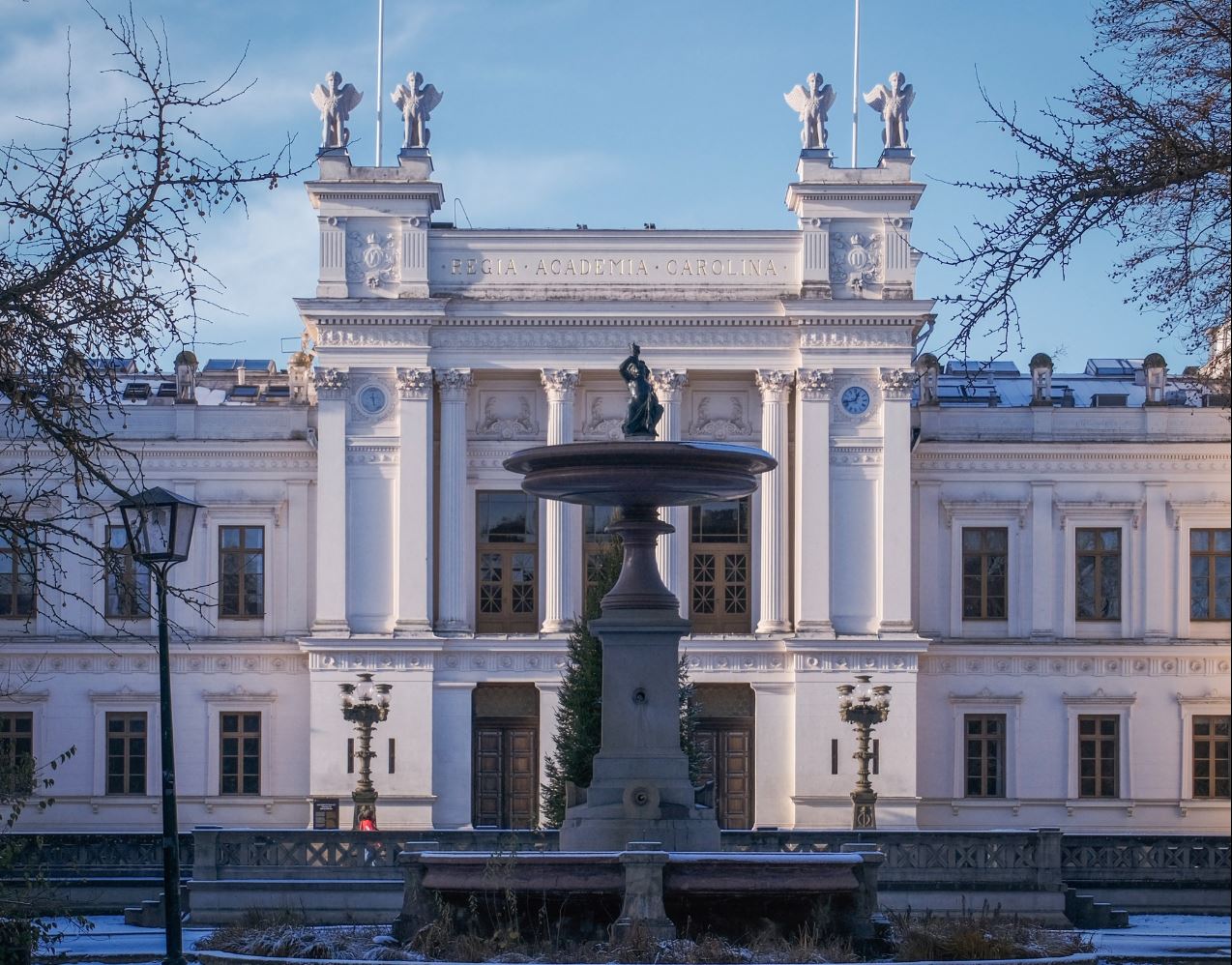
In recent years, American interest in Swedish universities has surged, with Lund University emerging as a notable beneficiary. The spike is not only in the number of applications from younger students but also from established researchers, including those from prestigious institutions like Harvard and Princeton. The catalyst for this shift? According to Lund University’s Vice-Chancellor, Erik Renström, the legacy of the Trump administration’s policies may have played a central role.
The Trump Administration’s Lasting Impact
Lund University, one of Sweden’s top educational institutions, has witnessed a remarkable uptick in applications from the United States. In the autumn recruitment cycle, the number of American applicants to various positions at the university hit record numbers. On average, 10% of all applications were from US-based individuals, with some departments seeing American candidates make up as much as 25% of applicants for certain roles. This phenomenon has made the US the second-largest source of applications to the university, after Sweden itself.
Renström attributes the surge to what he refers to as the “Trump effect” — a broad term that captures the disillusionment caused by the former U.S. President’s policies, particularly in areas like environmental science, higher education funding, and research.
“The ravages of the Trump administration, especially the cuts to funding for environmental research and grants to universities, likely made many American academics look abroad for opportunities,” Renström says.
Record Investment in International Recruitment
In an effort to attract top-tier talent, Lund University has significantly expanded its international recruitment. Ahead of the autumn term, the university made a record investment in visiting professors and assistant lecturers, which proved to be a successful strategy. While the university’s outreach efforts were primarily aimed at diversifying its academic community, the level of interest from the United States far exceeded expectations.
Renström noted that applications have poured in from some of the most prestigious universities in the U.S., including Princeton and Harvard, which traditionally dominate academic circles. This influx of American talent is seen as a sign that Sweden’s world-class research institutions, and Lund in particular, are becoming increasingly attractive alternatives for those seeking stability, funding, and an intellectually stimulating environment.
A Personal Story: Annsofie Micallef Nilsson
For Annsofie Micallef Nilsson, a 24-year-old environmental scientist from Boston, the decision to move to Sweden was directly influenced by the policy shifts in the U.S. under President Trump. Last year, as the Trump administration made sweeping cuts to environmental protection programs and slashed university funding, Annsofie found herself at a crossroads.
“I was working in Boston, and with the Trump administration’s cuts to the environmental sector, I realized my future there was uncertain,” she recalls. “That’s when I started looking abroad, and Lund University seemed like the perfect place. Everyone here is so motivated and inspired to create real change. It’s a fantastic place to be.”
Today, Annsofie is thriving as a research assistant at Lund University. She says that the academic community in Lund is unlike anything she experienced in the U.S., with a strong sense of purpose and a collective drive to address global challenges, particularly in sustainability.
Sweden’s Academic Landscape: A New Hub for American Researchers?
Lund University’s experience is not unique. Several other Swedish institutions have also noticed increased interest from American academics. Uppsala University, for example, has received spontaneous applications from researchers based in the U.S. this year, a trend they describe as unusual and unexpected.
Similarly, Umeå University has seen a notable shift in the types of candidates applying for its infectious disease medicine positions. Half of the applicants for the three most recent recruitments in the field have been American, a significant increase over previous years.
In Stockholm, the Stockholm School of Economics (SSE) has also reported a rise in applications from candidates with doctorates from Ivy League universities such as Harvard and Yale, marking a growing trend of U.S. academics seeking positions at Swedish universities.
On the other hand, Malmö University has not experienced the same level of interest from American scholars, suggesting that the trend may be more concentrated in certain disciplines or institutions.
A Glimpse of a Changing Global Academic Landscape
The increased interest from the U.S. underscores a larger trend of growing international mobility in higher education. For many American scholars, particularly those disillusioned by domestic political and economic shifts, European institutions like Lund University are becoming more attractive.
Lund’s international reputation, its focus on cutting-edge research, and Sweden’s reputation as a progressive and stable country may be key factors in this shift. It reflects a broader trend where international institutions, especially those in the Nordic region, are seen as havens for academic freedom and innovation.
As Vice-Chancellor Erik Renström points out, the boost in American applications has had a positive impact not only on Lund University but on the wider Swedish academic scene.
“We’re seeing a more diverse and dynamic group of scholars, which enriches the research environment and contributes to a more global outlook,” Renström says.
Looking Ahead
The continued influx of American academics is likely to reshape Sweden’s academic landscape in the years to come. While Lund University leads the charge, other institutions like Uppsala and Umeå are also benefiting from this new wave of talent. With the potential for increased collaboration across borders, Sweden stands to gain not only in terms of academic excellence but also in its position as a global leader in research and innovation.
As the political and academic climate in the U.S. continues to evolve, Sweden may find itself at the centre of a new global academic movement—one that values collaboration, sustainability, and progressive research. For now, American academics are flocking to Swedish shores, and Lund University stands as a shining example of how international academic partnerships can thrive in uncertain times.