
Sweden, once a small, neutral nation on the periphery of Europe, has evolved into a formidable player in the world of high-tech defence and military aviation. Despite its modest size, Sweden has developed one of the most advanced and respected military-industrial complexes, with Saab AB at its heart. How has this small Nordic country, long outside of defence pacts, managed to build one of the most sophisticated fighter jet programs in the world? This article explores the evolution of Sweden’s defence industry, the role of Saab AB, and the nation’s future within the global defence landscape.
Origin: Saab and Sweden’s Need for Independent Defence
Sweden’s long-standing defence policy has centred around self-sufficiency and the ability to protect itself without relying on foreign alliances. This principle, more than just a political stance, became a cornerstone of Sweden’s defence strategy, especially as tensions in Europe rose before and during the Second World War.
In 1937, the Swedish government established Saab (Svenska Aeroplan Aktiebolaget) with the objective of developing military aircraft to maintain independence and security. As Europe teetered on the brink of war, Sweden, a relatively small and neutral nation, realized the importance of developing domestic technological capabilities to avoid dependency on other powers.
In 1940, Saab merged with ASJA, a Swedish aircraft manufacturer, to streamline production and enhance the nation’s military capacity. This merger allowed Saab to quickly produce aircraft such as the Saab 17 bomber and reconnaissance aircraft, which were vital to Sweden’s self-defence capabilities during the war years.
Saab’s Evolution: From the Draken to the Gripen
The growth and diversification of Saab’s aircraft program set the foundation for the next phases of Sweden’s defence industry. Saab has steadily built some of the world’s most innovative and effective aircraft designs, incorporating cutting-edge technologies, which would pave the way for future military designs and Sweden’s increasing role in global defence.
Saab 29 Tunnan (1950s)
Sweden’s first jet fighter, the Saab 29 Tunnan, was introduced in the early 1950s. Its design marked Sweden’s entrance into the jet age, and it was a powerful symbol of the nation’s desire for self-sufficiency.
Saab 35 Draken (1950s)
The Saab 35 Draken, introduced in the late 1950s, represented a quantum leap forward in aviation technology. With its innovative double delta wings, it was capable of flying at high speeds and altitudes. The Draken’s success solidified Saab’s position in the global aerospace market and demonstrated Sweden’s growing technological expertise.
Saab 37 Viggen (1970s)
The Saab 37 Viggen, introduced in the 1970s, was one of the most advanced fighter aircraft of its time. Designed for versatility, the Viggen could perform multiple roles, including ground attack, air defence, and reconnaissance. It featured innovative design elements like the ability to take off and land in short distances and the capacity to fly at low altitudes following the terrain. These advancements required sophisticated computer control systems and advanced avionics, further enhancing Sweden’s technological prowess.
Saab JAS 39 Gripen (1990s–Present)
Perhaps the most famous of Saab’s aircraft today is the JAS 39 Gripen, introduced in the 1990s. The Gripen is a multi-role fighter aircraft capable of both air-to-air and air-to-ground combat. Its unique modular design and relatively low operating costs have made it highly attractive to countries around the world.
The Gripen is renowned for its sensor fusion technology, fly-by-wire controls, and its ability to rapidly adapt to new technology upgrades. As of 2025, Saab is strengthening the Gripen’s electronic warfare (EW) capabilities, reflecting a growing emphasis on electronic and cyber warfare in modern conflicts.
Neutrality as a Driver of Innovation
Sweden’s long-standing neutrality, while politically controversial, has played a significant role in driving its innovation in defence technologies. By remaining outside military alliances for much of the 20th century, Sweden sought to maintain independence in its defence systems and avoid reliance on foreign powers for arms supplies.
This policy created a unique environment where domestic production of military equipment, especially aircraft, was a matter of national pride and security. Sweden’s defence industry, including Saab, operated with a degree of freedom that allowed it to focus on developing high-tech systems and investing heavily in research and development (R&D). This spirit of innovation was fuelled by collaboration between the defence forces, state institutes, and private industry, which became a model for other nations seeking self-sufficiency.
Joining NATO: Sweden’s Changing Role in Global Defence
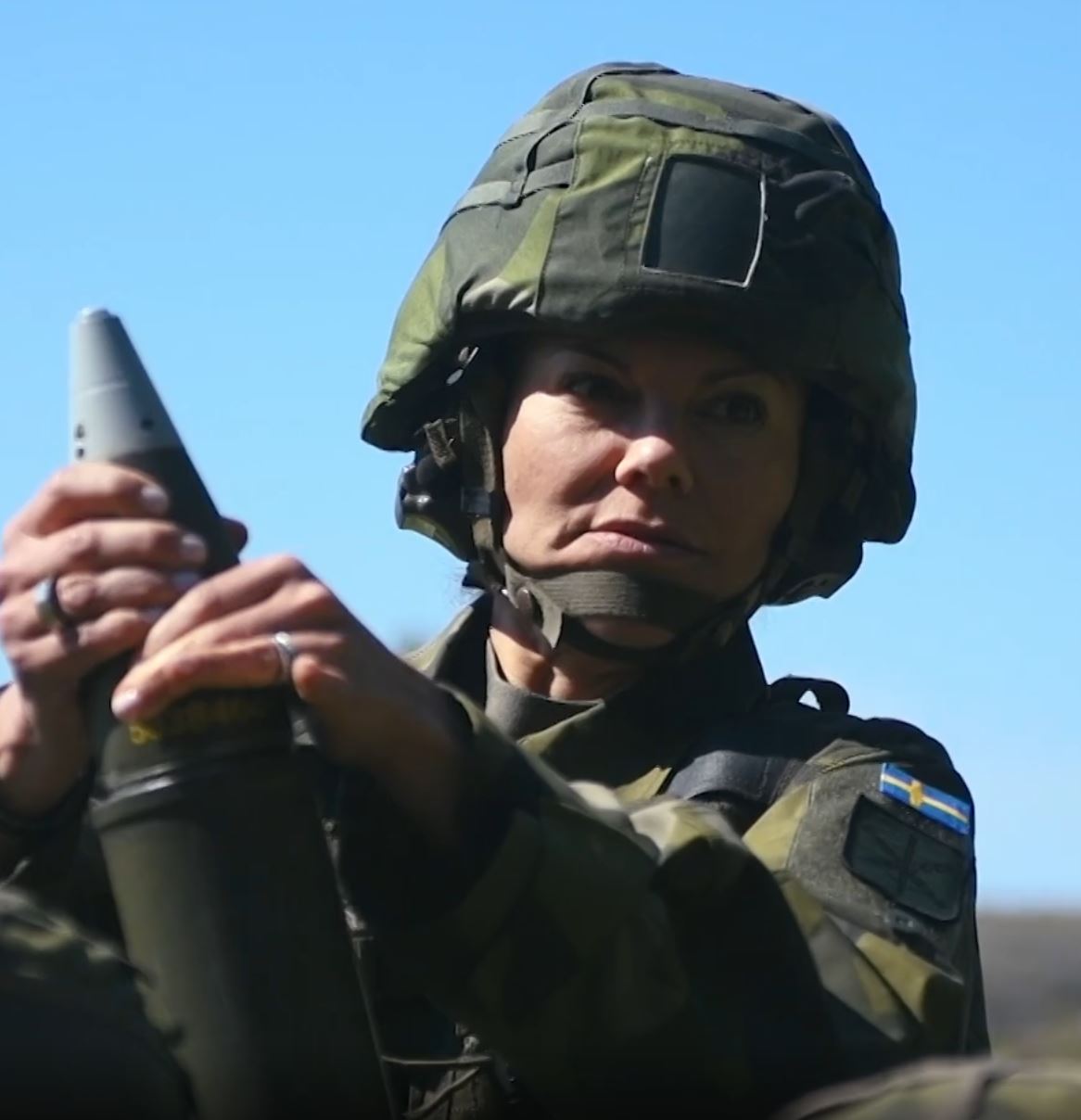
Sweden’s decision to remain neutral for most of the 20th century began to shift after Russia’s invasion of Ukraine in 2022. This event led to a dramatic change in Sweden’s security policy, culminating in the country’s formal accession to NATO on March 7, 2024. This move signalled Sweden’s increased integration into the global defence system, but its domestic defence capabilities, led by Saab, remain crucial.
Sweden’s defence industry has not expanded solely in response to NATO membership. Instead, the evolution of Swedish defence production reflects a confirmation of its technological capabilities. Le Monde’s analysis of Sweden’s post-Ukraine arms production points out that Swedish defence industry growth is rooted in Sweden’s capacity and technological strength, not just alliance politics.
Saab AB and the Future of Swedish Defence in NATO
Today, Saab AB is a diversified defence and technology company with around 25,000 employees. It operates in various sectors including aircraft systems, radar and surveillance, electronic warfare, unmanned systems, and weapon systems. The Gripen fighter, in particular, continues to play a key role in Sweden’s contribution to NATO.
Since joining NATO, Sweden has participated in various alliance exercises, including those involving Swedish Gripen aircraft, which have been deployed in air surveillance missions in other NATO countries. In 2025, the Swedish government proposed contributing up to eight Gripens to NATO air surveillance operations in Poland, signalling Sweden’s growing role within the alliance.
Micael Johansson, CEO of Saab, has emphasized the importance of Europe developing its own defence capabilities in the face of increased global instability. He advocates for increased investment in AI, autonomous systems, and cross-border cooperation as critical aspects of future defence efforts. These technological advances will be key to Saab’s future role in NATO and the broader global defence market.
Challenges and Strengths: Sweden’s Future in a Complex Security Environment
Despite its successes, Sweden’s defence industry faces significant challenges. The high costs of research, development, and production of advanced military systems like the Gripen require consistent investment and innovation to stay competitive in a market dominated by global defence giants such as the United States, Russia, and China.
Integrating Swedish systems into NATO’s infrastructure also presents challenges, as NATO requires standardized systems, which may not always align with Sweden’s unique approaches. However, Saab’s ability to adapt and maintain its technological edge will be crucial for its continued success.
Conclusion: A Small Nation with Global Impact
Sweden’s defence evolution has been characterized by a deep commitment to self-sufficiency, innovation, and independence. From the early days of Saab in the 1930s to the cutting-edge technology of the Gripen and other systems, Sweden has managed to position itself as a global leader in defence technology.
While Sweden’s geographic size may be modest, its choice to combine technical expertise with strategic independence has allowed it to develop into a formidable technological actor in an increasingly complex and interconnected world. Saab, as the cornerstone of Sweden’s defence industry, has proven that innovation and technological superiority can come from even the smallest of nations, and its success will continue to shape Sweden’s role in both NATO and the global defence industry in the years to come.