
The Swedish government is moving forward with a controversial proposal to eliminate subsidized dental care for asylum seekers and undocumented immigrants. This policy shift, which is tied to the Tidö Agreement, reflects the broader migration and welfare reform agenda of Sweden’s current coalition government. If enacted, the reform is expected to bring both social and financial consequences, impacting healthcare access and municipal budgets.
Policy Overview
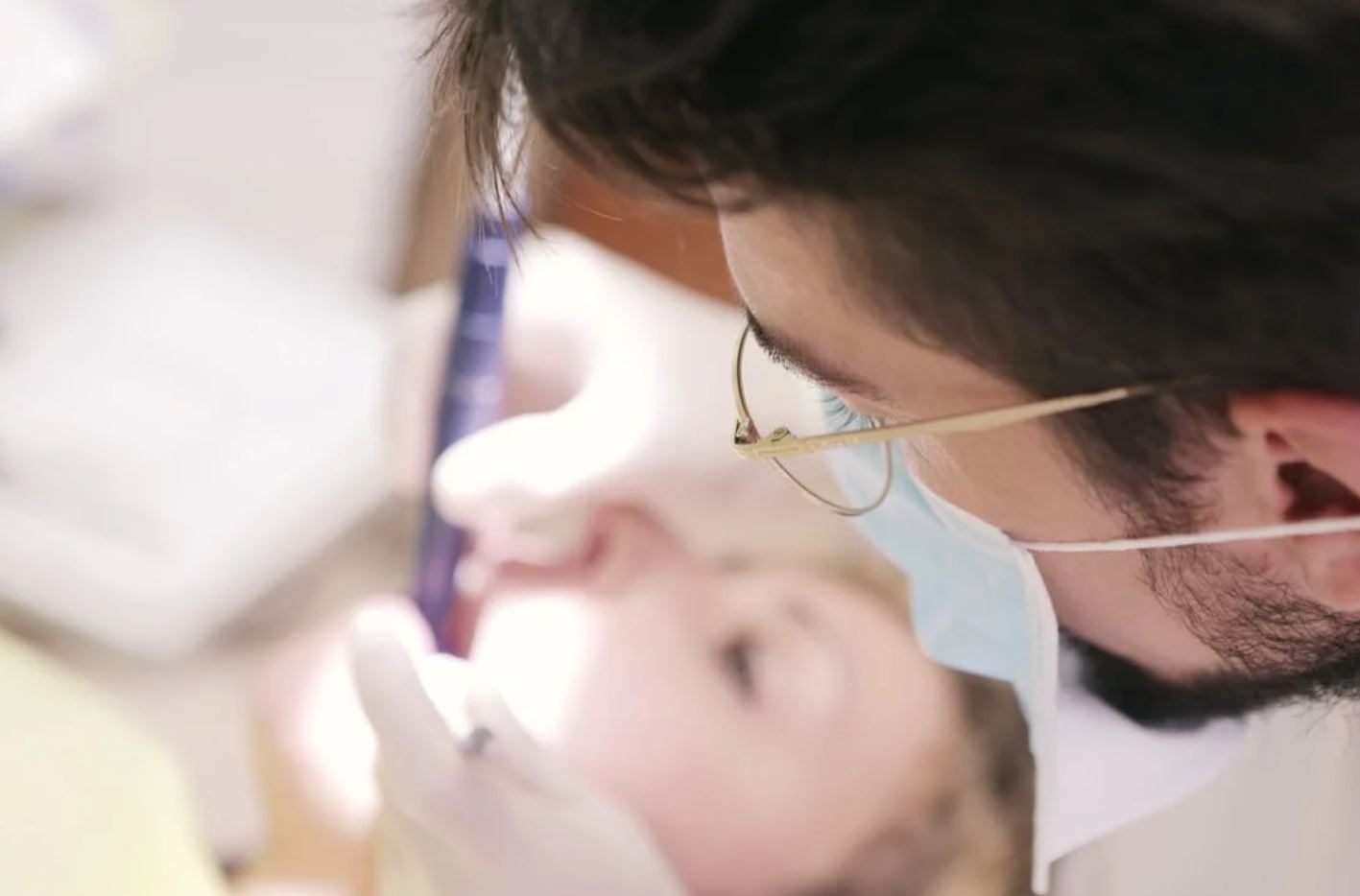
Currently, asylum seekers and undocumented immigrants in Sweden can access urgent dental care for a nominal fee of 50 kronor. Under the new proposal, this benefit will be eliminated for undocumented immigrants entirely. Asylum seekers, holding LMA cards, will continue to pay the symbolic 50 kronor fee, but the Swedish Migration Agency will assess their financial means and may require reimbursement if they are able to pay.
For undocumented immigrants who are unable to afford care, the responsibility for providing services will shift from the state to local municipalities, placing new financial and administrative burdens on local governments.
Health and Social Concerns
Health experts and several advocacy organizations have raised concerns that this reform could worsen health outcomes. Without affordable access to dental care, asylum seekers and undocumented immigrants may delay seeking treatment until conditions become critical, which could lead to increased human suffering and higher long-term healthcare costs.
The government’s own review acknowledges that the policy may not result in significant savings, as administrative costs are expected to rise. However, Jakob Forssmed, the Minister for Social Affairs from the Christian Democrats, defended the measure, emphasizing the principle of personal responsibility. “Even people in these groups who have the ability to pay should do so, just as others in society are required to,” Forssmed explained to Tandläkartidningen.
Political and Economic Ramifications
This proposed reform is part of Sweden’s broader shift toward more restrictive migration policies, which are increasingly aligned with Denmark’s and Norway’s models for managing welfare benefits for non-citizens. While the financial impact on the state budget may be minimal, the change could reduce Sweden’s appeal as a destination for asylum seekers, and it may increase the pressure on municipal healthcare and welfare systems.
Concerns have also been raised within the dental care sector, with industry representatives fearing a rise in unpaid bills if municipalities lack the resources to cover costs for those unable to pay. The reform could risk undermining equitable access to essential healthcare services in Sweden.
Comparative Nordic Healthcare Models
The debate over dental and healthcare access for asylum seekers is not unique to Sweden. The Nordic region has been witnessing diverging approaches, with countries adopting varying models for providing care to asylum seekers and undocumented immigrants.
| Country | Current Access to Dental/Healthcare for Asylum Seekers | Policy Trend |
| Sweden | Subsidized care at 50 SEK for asylum seekers (ending for undocumented under proposal). Municipalities expected to cover costs for those unable to pay. | Moving toward restriction under Tidö Agreement |
| Denmark | Only emergency healthcare for asylum seekers; dental care access restricted unless life-threatening. Costs borne by the patient. | Long-standing strict model |
| Norway | Limited healthcare and dental services available; children have broader access, but adults face restrictions and higher costs. | Restrictive, with exceptions for minors |
| Finland | Asylum seekers entitled to necessary healthcare, including dental care. Undocumented immigrants granted essential healthcare access through municipalities. | More inclusive approach |
| Iceland | Asylum seekers covered during application process for necessary healthcare, including dental emergencies. | Moderately inclusive |
Economic and Social Pressure on Municipalities
By shifting the responsibility for dental and healthcare services to municipalities, Sweden risks exacerbating local disparities in service access. Wealthier municipalities may be better equipped to absorb these additional costs, while poorer municipalities could struggle, leading to uneven healthcare access across the country. This could result in what critics have called a “postcode lottery,” where the quality of care varies depending on geographical location.
In contrast, in Finland, municipalities are tasked with providing essential care, with partial compensation from the central government. Denmark, however, has placed the financial burden squarely on local governments, without national compensation, leading to greater strain on the system. Sweden’s reform is likely to put additional pressure on local resources, and may prompt some municipalities to consider outsourcing services to private providers.
Implications for Healthcare Providers
Dental clinics across Sweden have expressed concern that the reform could lead to an increase in unpaid bills, especially if municipalities fail to cover treatment costs in a timely manner. This situation mirrors challenges faced by providers in Denmark and Norway, where reimbursement delays or denials have led to fewer clinics willing to accept asylum seekers as patients.
For private healthcare providers, the reform presents both risks and opportunities. While the reduced subsidization may lead to lower demand for services among asylum seekers, municipalities may increasingly turn to private providers to manage costs effectively, creating new opportunities for innovation in low-cost care models. However, the overall social exclusion resulting from this reform could overshadow these business opportunities.
Impact on Labor Market Integration
Access to healthcare, particularly dental care, is closely linked to successful economic integration. Untreated dental conditions can diminish employability, making it harder for asylum seekers to enter the labour market and contribute to the economy. Sweden’s growing restrictions could worsen the challenge of integrating asylum seekers, adding to the country’s existing struggle with structural unemployment among refugee populations.
Finland’s more inclusive model has been shown to support smoother integration outcomes, as asylum seekers face fewer long-term health issues that could hinder their ability to join the workforce. Conversely, Denmark’s restrictive approach has focused more on deterrence than integration, limiting the potential for refugees to access healthcare and thus increasing the barriers they face in entering the labour market.
Diverging Nordic Approaches
The Nordic region, long seen as a cohesive bloc of welfare states, is now marked by diverging approaches to asylum seekers and healthcare. While Denmark has led the way with strict policies, Sweden is recalibrating its own welfare system, moving closer to Denmark’s restrictive model. Finland, on the other hand, continues to prioritize inclusivity, ensuring that asylum seekers and undocumented immigrants have access to necessary healthcare.
- Denmark has adhered to a restrictive healthcare model for over a decade, using limited access to healthcare as part of a broader deterrence strategy.
- Norway has adopted a selective approach, offering broader access to children while limiting services for adults.
- Sweden is moving toward a more restrictive stance with its proposal, shifting costs to municipalities while still maintaining limited subsidized access for asylum seekers.
- Finland maintains a more inclusive model, ensuring access to essential care and placing responsibility on municipalities with state compensation.
- Iceland offers temporary coverage for asylum seekers during the application process, with a moderate approach to healthcare restrictions.
Business and Investment Outlook
For investors and businesses operating in the Nordic region, the implications of Sweden’s reform are significant. The key considerations include:
- Municipal credit risk: The rising welfare costs without clear state compensation could impact municipal finances, affecting bonds and local investment prospects.
- Healthcare outsourcing: The shift toward municipal responsibility could lead to an increased demand for private healthcare services, particularly in Sweden and Norway.
- Labor market integration: Restrictive policies could delay the integration of asylum seekers into the workforce, potentially reducing their long-term productivity and impact on the economy.
- Cross-border effects: Diverging policies may influence where asylum seekers choose to apply for refuge, leading to demographic shifts and additional pressure on housing, healthcare, and labour markets.
As Sweden and other Nordic countries continue to adjust their welfare models, businesses, policymakers, and healthcare providers must closely monitor these developments, as they will have far-reaching consequences for the region’s social structure and economic stability.