
Sweden’s Finance Minister Elisabeth Svantesson has voiced strong criticism against the country’s major banks for not fully passing on the latest cut in the key interest rate by the Riksbank to mortgage borrowers. The central bank lowered its policy rate by 0.25 percentage points to 1.75% earlier this week, aiming to support economic recovery and ease borrowing costs for households. However, Sweden’s biggest lenders—Nordea, SEB, Swedbank, and Handelsbanken—have only reduced their variable mortgage rates by 0.20 points, while the state-owned SBAB has yet to implement any reduction to mortgage rates.
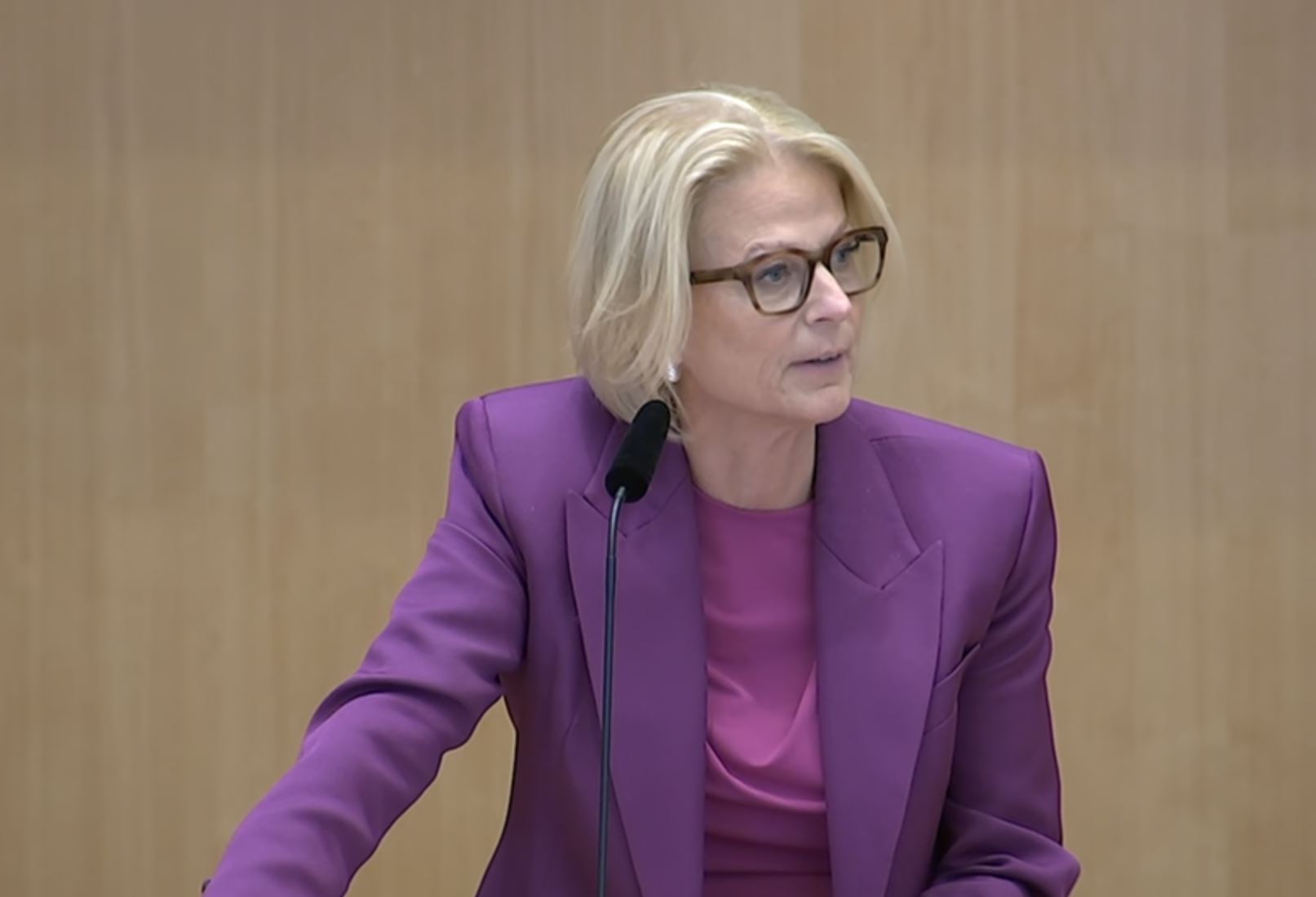
Svantesson described the banks’ partial passing on of rate cuts as “provocative in many ways” in an interview with Swedish Radio. She stressed that many families have been financially strained for an extended period and praised the collective efforts by the Riksbank, social partners, and the government to bring down inflation, urging banks to also take their responsibility seriously. “The fact that banks now don’t take their responsibility really rubs many Swedes the wrong way,” she said, urging consumers to hold banks accountable by switching mortgage providers if possible.
The behavior of the banks departs from a traditional pattern where banks usually match central bank rate cuts almost point-for-point. Typically, banks lowered mortgage rates by an average of 0.23 percentage points for a 0.25-point cut by the Riksbank. This time, banks waited several days before announcing the cuts, seemingly waiting for each other’s moves, and have retained a margin boost by not passing the full rate cut to customers. Experts note that this 0.05 percentage point difference translates into substantial profits for the banks, especially amid a concentrated market dominated by a few large players.
Svantesson also highlighted the government’s efforts to facilitate easier and cheaper switching between banks to empower customers to “vote with their feet.” While she did not advocate direct government intervention in setting banks’ mortgage rates, she expressed disappointment in the high profits and cautious rate cuts when many households and businesses are still feeling financial pressure from elevated mortgage and interest rates. The Finance Minister noted that all banks, including the state-owned SBAB, must now take their share of responsibility to foster future confidence and optimism in the economy.
This strained dynamic between the government and banks unfolds as Sweden seeks to stimulate growth with the Riksbank signalling a steady interest rate policy “for some time” and the government unveiling an expansive 2026 budget aimed at boosting economic growth amid uncertainties in the global trade environment.
In summary, Finance Minister Elisabeth Svantesson’s criticism reflects mounting public discontent over banks’ reluctance to fully pass on monetary policy easing benefits, a move seen by many as prioritizing bank profits over household financial relief during a challenging economic period.
This article is suited for the Nordic Business Journal audience interested in Sweden’s economic policies, banking sector behaviour, and the ongoing push to balance financial stability with consumer protection.