
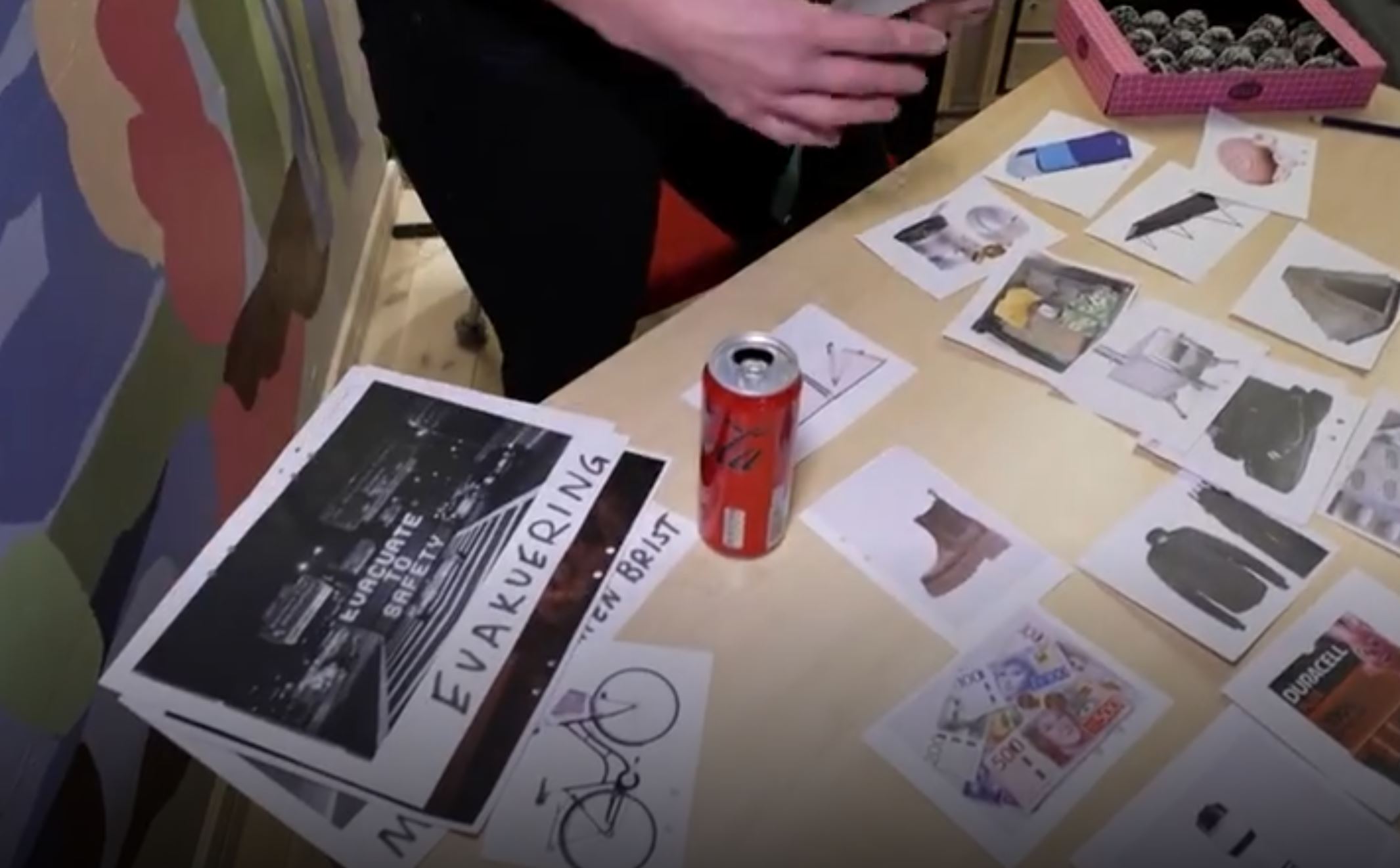
In a youth club in the southern Swedish town of Skurup, two 11-year-olds are debating what to take if their world suddenly changed.
“Should we leave the phone? There’s no internet anyway,” asks Melker Nilsson.
“Yes,” his friend Tristan Svendsen replies, “but we’ll need the gas.”
The boys are surrounded by pictures of everyday items—things they normally use without thinking. But this exercise is not about normal life. It’s about how to cope if the taps run dry, the power shuts off, or an evacuation order comes.
The workshop is part of Sweden’s annual Emergency Preparedness Week, running every September since 2017. Across the country, schools, clubs, and associations use games, lectures, and drills to teach citizens how to react when society’s systems fail.
For Robin Reimer, who leads the Skurup youth club, the benefit is obvious. “This gives us a safe, practical way to talk to children about difficult and frightening topics. They’re already hearing about global crises. Here, they can process it and learn what to do.”
A National Effort
The week is coordinated by Sweden’s civil protection agency, MSB, but most of the content comes from municipalities and local organizations. This year, 90 percent of Sweden’s 290 municipalities took part, alongside at least 273 associations ranging from rescue services to community groups.
The idea is simple: the more people practice crisis response, the better society functions under pressure.
And it’s not just for adults. Children, say organizers, must be included. “We know crises hit the youngest hardest,” says Reimer. “Avoiding the subject only leaves them alone with their fears.”
Denmark Lags Behind
Disaster researcher Rasmus Dahlberg believes Denmark should import the model without delay. “Sweden is five or six years ahead of us in building societal resilience. Every bottle of water, every can of tomatoes, every old-fashioned FM radio people store contributes to national security. That message has to reach as many citizens as possible.”
Nina Blom Andersen, a communication specialist at Copenhagen University College, agrees. “Preparedness week is powerful because it spreads through families and workplaces. You try something in school or at the office, then you bring it home. That repetition sticks.”
She argues that Danish authorities have improved their messaging, but not at the scale or intensity Sweden has achieved.
A Political Opening
In 2024, Denmark established a Ministry of Emergency Situations, led by Liberal Party minister Torsten Schack Pedersen. He is receptive to the Swedish model.
“I think it makes sense to strengthen preparedness and get Danes into that mindset. Of course, we must adapt it to our own context, but I want to explore how we could expand our current Fire Prevention Week into a broader Emergency Preparedness Week.”
That discussion could lead to Denmark holding its first such event as early as next year.
“Nice to Know I’m Ready”
Back in Skurup, Melker and Tristan are finishing their evacuation plans. They admit it was hard to choose what mattered most—food, water, tools, comfort items—but the lesson stuck.
“It could happen anytime,” says Melker. “You never know.”
“And it might happen while you’re sleeping,” adds Tristan. “Now I know: I’m ready. I can handle it.”