
Denmark has reinforced NATO’s collective defence posture by deploying two fighter jets and a frigate to the Alliance’s eastern flank, aimed at strengthening deterrence and readiness against potential threats from Russia and Belarus.
Strengthening NATO’s Air Defence
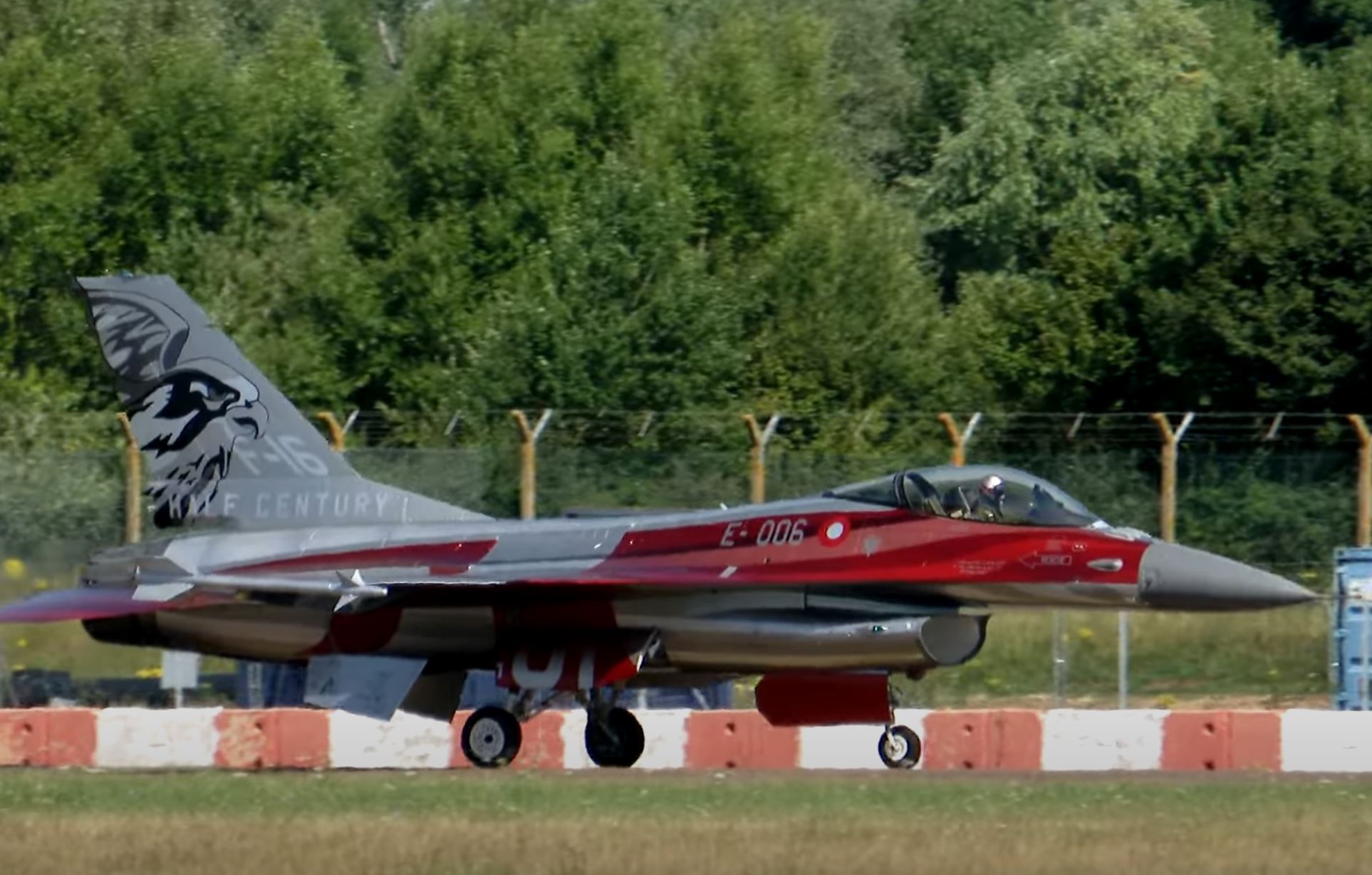
The Danish fighter jets will play a critical role in counter-attack readiness and air defence operations. Their presence enhances NATO’s ability to swiftly respond to aerial incursions, while also contributing to surveillance and deterrence missions along Europe’s eastern border. By integrating into NATO’s multinational command structure, the Danish aircraft will bolster joint interoperability and ensure rapid coordination with allied forces in the region.
Naval Presence in Strategic Waters
In addition to air assets, Denmark is deploying a frigate dedicated to sea surface surveillance. This naval unit will expand NATO’s maritime situational awareness, securing critical shipping lanes and monitoring military activities in the Baltic and surrounding seas. The frigate’s advanced radar and defensive capabilities further strengthen the Alliance’s layered defence approach, supporting both national and multinational operations.
Putin’s Defiant Response
Meanwhile, in a speech delivered yesterday, Russian President Vladimir Putin vowed that Russia would “never show weakness or indecision.” He warned that Moscow would issue a “marked” response to what he described as Europe’s escalating actions, including NATO’s reinforcement measures. Putin also addressed Sweden’s accession to NATO, framing it as part of a broader Western push to contain Russia.
His remarks underscore the deepening tensions between Moscow and the Western alliance. While NATO stresses its deployments are defensive in nature, Russia portrays them as provocative moves that justify countermeasures.
A Clear Signal of Solidarity and Division
Denmark’s contribution underscores its commitment to NATO’s collective defence principle, offering both air and naval assets to strengthen deterrence and reassure Eastern European allies. At the same time, Putin’s defiant speech highlights the starkly opposing narratives that define the current security environment.
For NATO, Denmark’s deployment sends a message of solidarity and readiness. For Moscow, however, it represents further escalation—fuel for its argument that the West is encroaching on Russia’s sphere of influence.
As Europe navigates this tense balance, Denmark’s proactive role shows that smaller states can make meaningful contributions to deterrence—while also reminding the world that NATO unity is being tested under the weight of Russia’s warnings.