
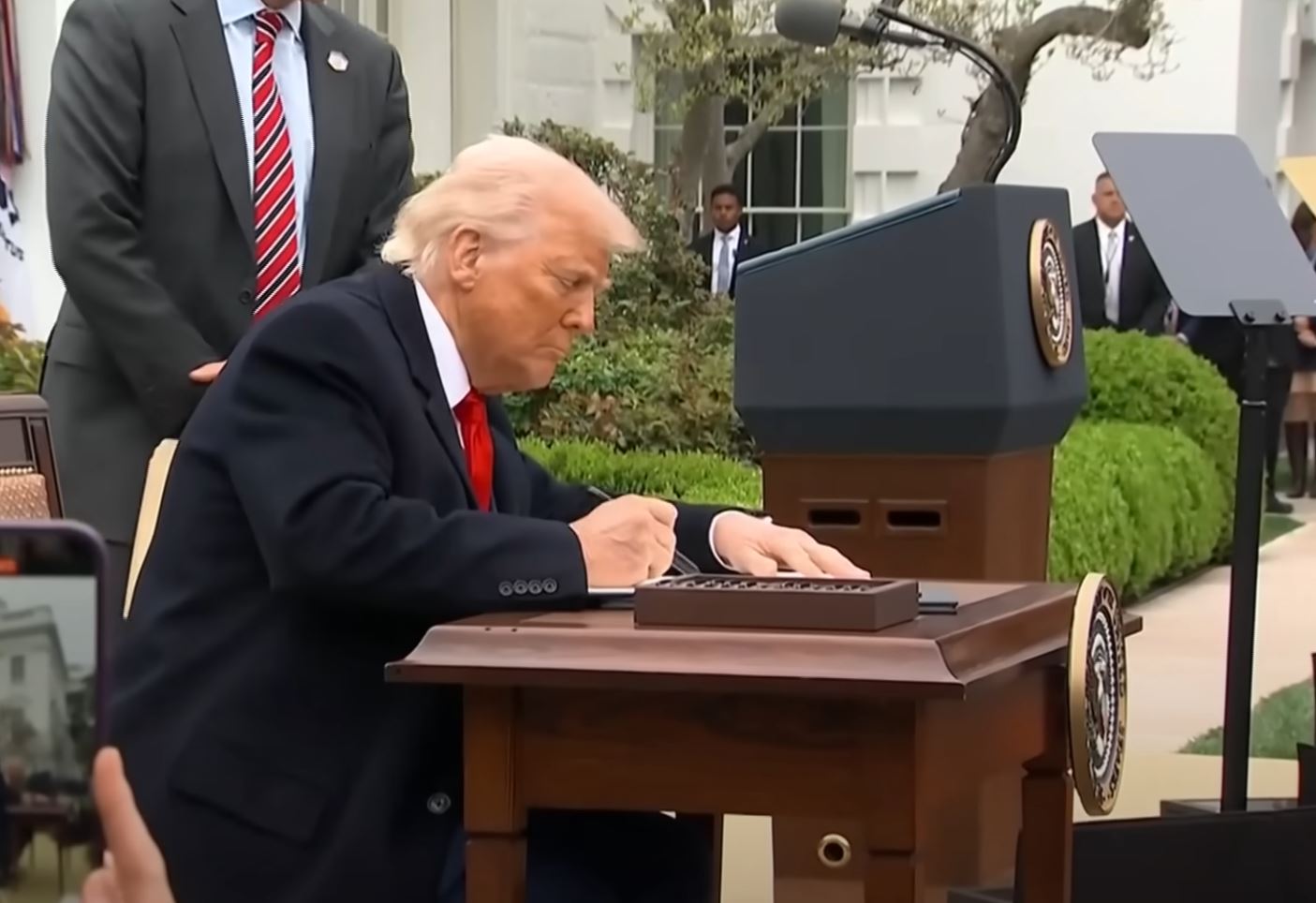
Starting November 1, the United States will impose a 25% import tariff on all medium and heavy-duty trucks entering the country, President Donald Trump announced via Truth Social. The move, part of Trump’s broader “America First” trade agenda, targets foreign-made commercial vehicles and aligns with his administration’s ongoing efforts to protect domestic manufacturing.
While the 25% tariff rate on heavy trucks had been previously signalled, the confirmation of a November 1 start date marks a significant development. The original October 1 implementation was delayed following intense lobbying from U.S. automakers and logistics companies concerned about supply chain disruptions and rising costs for American businesses reliant on imported commercial vehicles.
In a broader announcement on September 26, Trump also flagged potential tariffs on furniture and patented medicines. However, the White House later clarified that the proposed 100% tariffs on pharmaceuticals would not apply to trading partners like the European Union, which have existing or newly negotiated agreements covering drug pricing and intellectual property. For the EU—including Sweden—pharmaceutical tariffs remain capped at 15% under current trade frameworks.
Strategic Implications for Swedish Truck Manufacturers
Sweden, home to global heavy-truck giants like Volvo Trucks and Scania (a subsidiary of Germany’s Traton but historically Swedish-engineered and produced), stands at the epicenter of this policy shift. The U.S. is a critical export market for Swedish commercial vehicle manufacturers, valued for its high demand for fuel-efficient, technologically advanced trucks used in long-haul freight and logistics.
1. Immediate Cost Pressures and Pricing Dilemmas
A 25% tariff directly inflates the landed cost of Swedish trucks in the U.S. market. Companies face a stark choice: absorb the cost (squeezing margins) or pass it on to American buyers (risking reduced competitiveness against domestic brands like Freightliner or Kenworth). Given thin margins in the commercial vehicle sector, most will likely raise prices—potentially dampening demand.
2. Accelerated Localization Strategies
To circumvent tariffs, Swedish manufacturers may fast-track plans to increase U.S.-based production. Volvo Trucks already operates a major assembly plant in Dublin, Virginia, which produces trucks for the North American market. The new tariff could incentivize further vertical integration—sourcing more components locally or expanding U.S. manufacturing capacity to meet the “substantial transformation” threshold required for tariff exemptions.
3. Strategic Reassessment of Global Footprint
Long-term, this policy may prompt Swedish firms to diversify export dependencies. While the U.S. remains vital, increased trade barriers could accelerate investments in alternative markets such as Canada (under USMCA protections), Latin America, or Asia-Pacific regions. Simultaneously, R&D and production strategies may shift toward modular platforms that can be easily adapted for regional assembly.
4. Broader EU-U.S. Trade Tensions
Although the EU is spared the harshest pharmaceutical tariffs, the truck levy underscores a growing asymmetry in transatlantic trade policy. Brussels may respond with targeted countermeasures or push for renewed negotiations under the U.S.-EU Trade and Technology Council (TTC). For Sweden—a strong EU advocate—the tariff could fuel domestic political pressure to strengthen collective European trade defences.
5. Innovation as a Competitive Hedge
Swedish manufacturers may double down on their technological edge—particularly in electric and autonomous trucks—to justify premium pricing despite tariffs. With U.S. infrastructure investments and clean energy incentives favouring zero-emission vehicles, this could open a strategic window: if Swedish EV trucks offer superior performance or lifecycle value, buyers may tolerate higher upfront costs.
Conclusion
Trump’s November tariff deadline is more than a protectionist gesture—it’s a catalyst forcing global industrial players to rethink where and how they produce. For Sweden, a nation whose engineering prowess has long fuelled transatlantic commerce, the stakes are high. The response will likely blend short-term tactical adjustments with long-term structural shifts, underscoring how trade policy can rapidly reshape global manufacturing ecosystems. In this new era of economic nationalism, agility—and local presence—may prove as valuable as engineering excellence.