
Denmark is making a decisive move to strengthen its Arctic defences, committing billions of kroner to new ships, upgraded fighter jets, radar systems, and a dedicated Arctic Command. The plan reflects Copenhagen’s growing urgency about security in the High North, where melting ice is reshaping trade routes and attracting global military interest.
Major Investment Across Sea, Air, and Cyber
The Danish Ministry of Defence has earmarked between 8 and 10 billion kroner (€1.1–1.3 billion) over the next decade to bolster Arctic capabilities. It’s part of Denmark’s broader defence build-up, designed to meet NATO’s 2% spending target by 2033.
Defence Minister Troels Lund Poulsen said the initiative will ensure Denmark “can monitor, act, and assert sovereignty across all parts of its territory,” referring to the strategic significance of Greenland and the Faroe Islands. He added that Arctic stability “is no longer guaranteed,” citing increased Russian and Chinese activity in the region.
New Arctic Command Headquarters
A new Arctic Command Headquarters will be established in northern Jutland, linking directly with defence operations in Greenland and the Faroe Islands. The command will manage air patrols, naval missions, cyber intelligence, and search and rescue coordination.
It will also maintain close ties with NATO’s Joint Force Command in Norfolk, USA, which oversees transatlantic and Arctic missions. Expected to be operational by 2027, the headquarters will employ around 250 staff, including joint-service and intelligence officers.
Naval and Air Power Upgrades
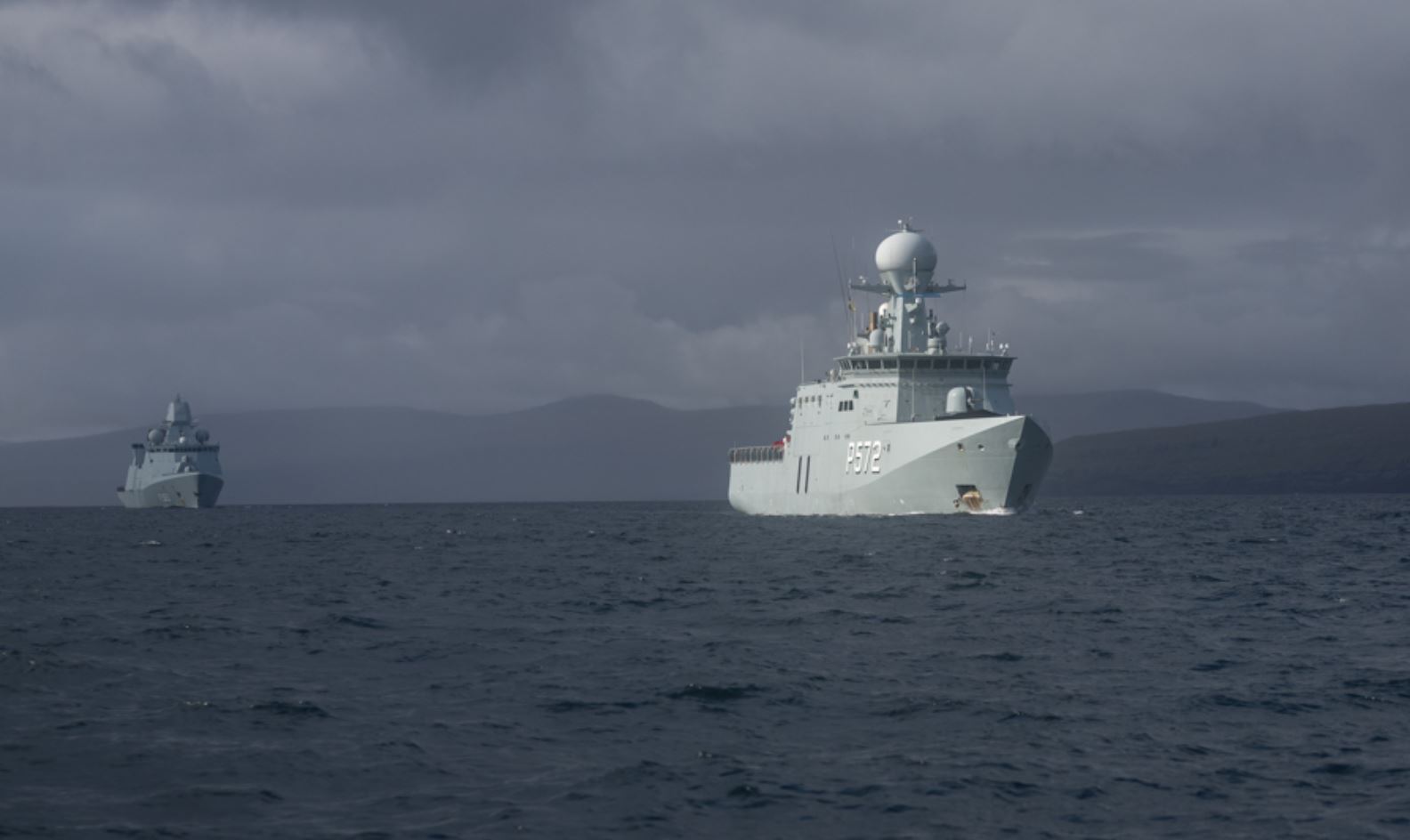
The Royal Danish Navy plans to add two or three Arctic patrol vessels equipped with advanced sensors, long-range communication systems, and onboard drones for surveillance and environmental monitoring. Ice-strengthened and designed for rescue missions, these ships will be developed with Odense Maritime Technology and Terma, with construction set to begin in 2028.
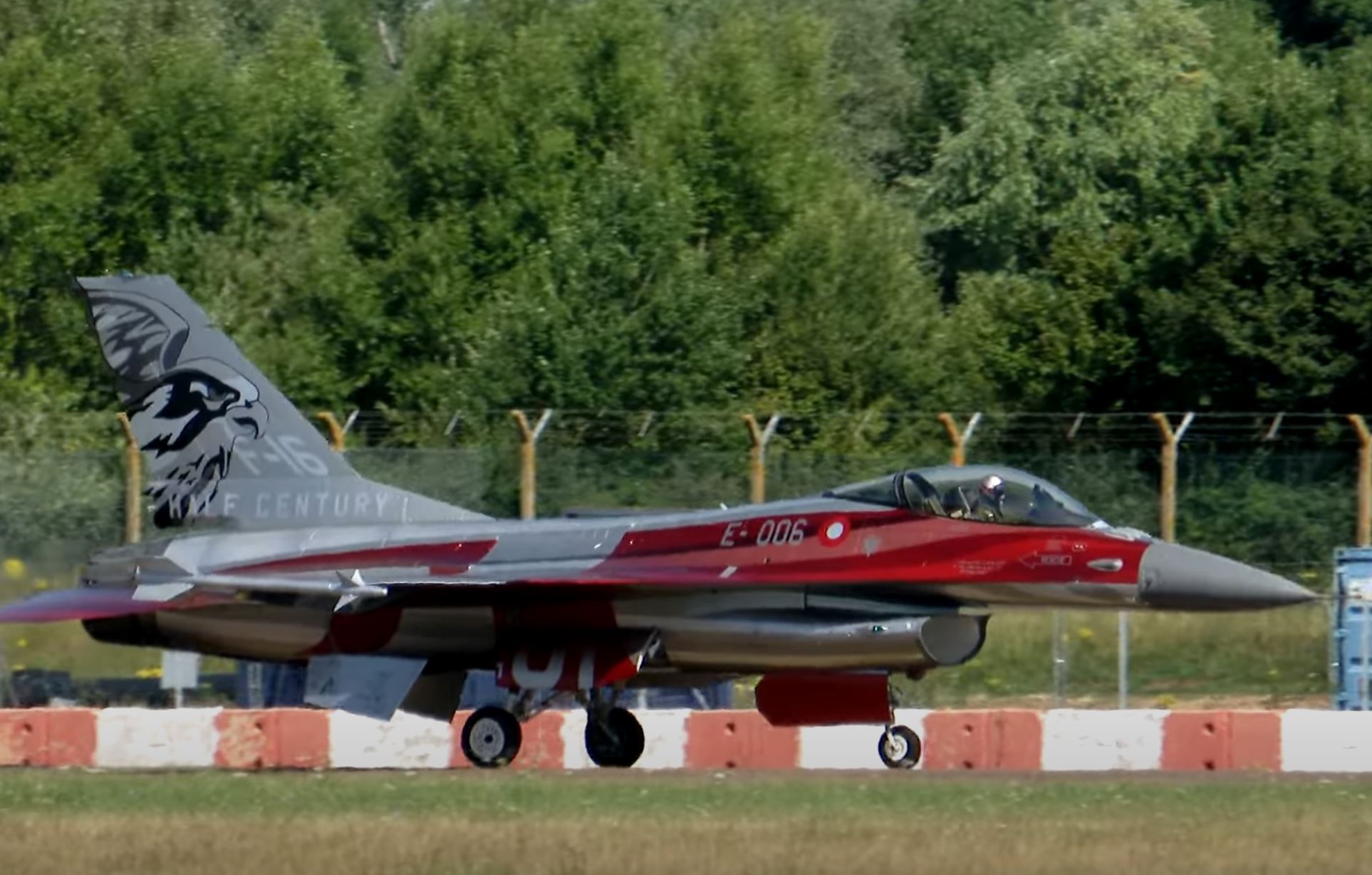
The Air Force will expand its F-35 fleet with extended-range kits and deploy new maritime patrol aircraft based in Greenland. The new aircraft will replace the aging Challenger fleet, improving Denmark’s reach across its vast Arctic territories.
Strategic and Economic Implications
The investment strengthens Denmark’s position as a key Arctic power alongside Norway, Canada, and the United States. It also deepens Nordic defence cooperation, complementing Norway’s northern airbase expansion and Sweden’s integration into NATO planning.
For Danish industry, the initiative opens significant opportunities in defence technology, radar systems, and shipbuilding. Companies like Terma, along with smaller maritime firms in Aalborg and Frederikshavn, are expected to play a central role.
Sydbank economists estimate defence-related industrial activity could rise by up to 15% over the next five years, driven by shipbuilding and maintenance contracts.
Securing the North
Officials stress that Denmark’s Arctic strategy is driven by environmental and geopolitical change alike. As the ice retreats, the Arctic is no longer remote—it’s a zone of growing commercial traffic, strategic competition, and environmental risk.
“The Arctic is no longer a distant frontier; it is our northern sea border,” Poulsen said. “A strong presence and situational awareness are essential for sovereignty and safety.”
With these investments, Denmark is positioning itself as a central player in the future of Arctic security—balancing alliance commitments, climate realities, and strategic responsibility at the top of the world.