
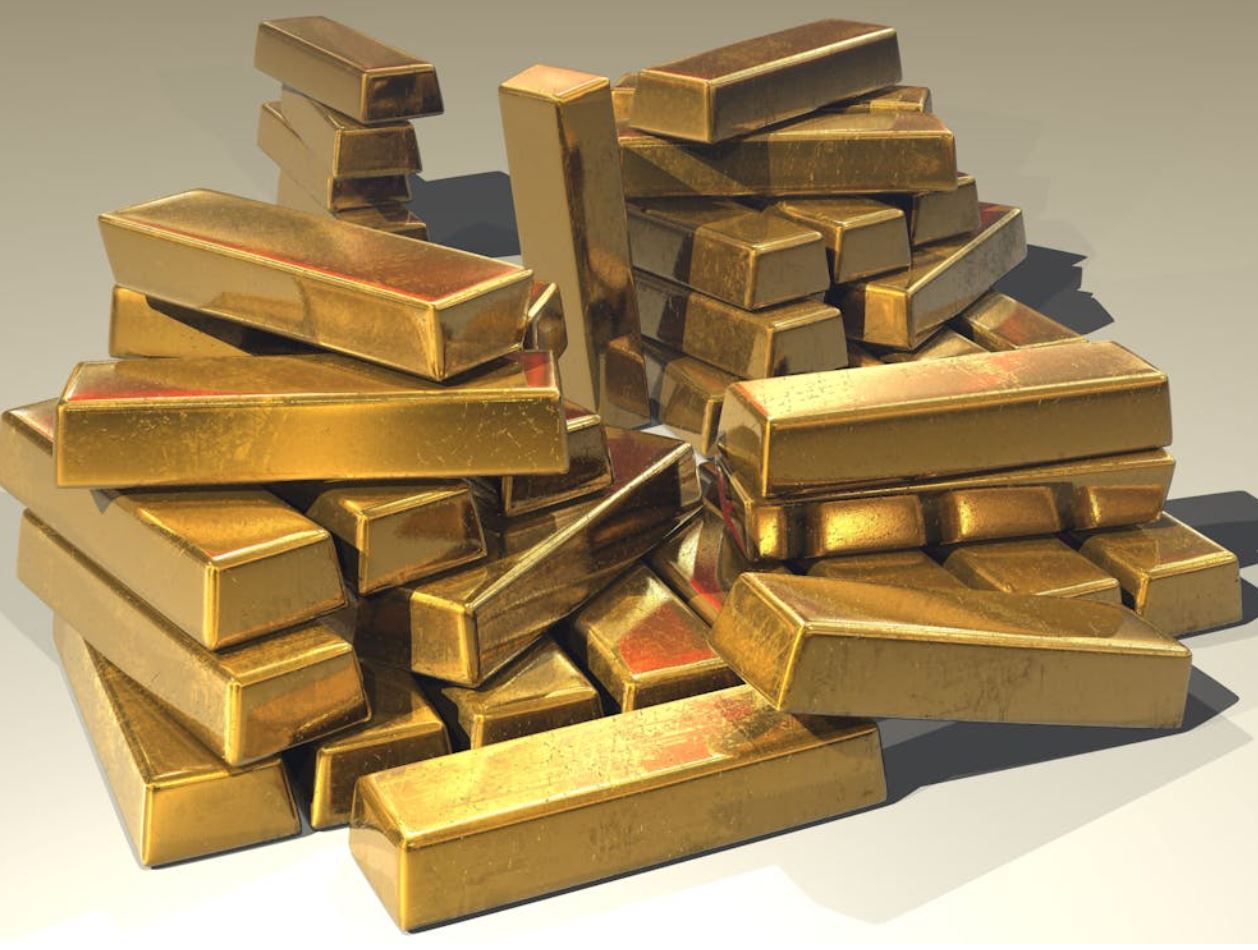
Silver has hit a record $49.54 per ounce, trailing gold’s historic leap beyond $4,000—milestones that signal deep unease in global markets and a renewed appetite for tangible stores of value. For Nordic investors, the rally underscores a shifting definition of financial security as precious metals reclaim a central role in portfolio strategy.
What’s Driving the Rally
Gold and silver have soared on a mix of geopolitical friction, looser monetary policy, and mounting sovereign debt. Silver is up nearly 70% since January; gold more than 50%. Expectations of U.S. rate cuts—amplified by President Donald Trump’s latest tariff threats—have accelerated the flight to metals.
Both central banks and private investors are building reserves, moving away from U.S. Treasurys amid fears of currency debasement and fiscal slippage. The message is clear: in an age of policy uncertainty, hard assets are back in favor.
Nordic Implications
For Nordic investors, this surge reinforces the case for gold and silver as strategic hedges. Pension funds, wealth managers, and private portfolios are all re-evaluating exposure—not just for protection against inflation and currency swings, but as part of a broader shift toward real assets.
Three trends stand out:
Diversification. With traditional safe-havens under pressure, Nordic investors are likely to deepen allocations to precious metals, using them as anchors in multi-asset strategies.
Portfolio security. Physical bullion, ETFs, and mining shares continue to attract capital, offering insulation from political shocks and equity volatility.
Industrial tailwinds. Silver’s industrial demand—particularly from solar and electric vehicle production—adds a structural growth story on top of its safe-haven appeal.
Financial Security Outlook
Silver now trades near 10,000 Swedish kronor per kilogram, a level that brings both opportunity and timing risk. Analysts expect continued volatility but remain broadly bullish as fiscal and geopolitical tensions persist. For Nordic asset managers, this environment is redefining what “security” means in a portfolio.
Strategic allocations. Expect more Nordic funds to rebalance toward commodities, taking advantage of metals’ historical resilience during global stress.
Risk management. With debt levels high and monetary policies in flux, precious metals are once again serving as insurance against systemic shocks and currency erosion.
Bottom line: gold and silver’s rally isn’t just market noise—it’s a signal of a larger realignment in how investors think about safety and value.
Nordic Pension Funds: A Quiet Boost
The metals rally is already influencing pension portfolios across the Nordics. Historically, these funds have used gold—and occasionally silver—as stabilizers against equity drawdowns. The recent price surge enhances that defensive role.
Diversification and protection. Precious metals’ performance has offset weaker returns in equities and bonds, reinforcing their use as volatility dampeners.
Improved returns. Funds with exposure to gold, silver, or mining equities are outperforming broader benchmarks this year, benefiting from both price appreciation and investor inflows into the sector.
Strategic adjustments. Institutional investors are revisiting allocations, with some increasing exposure through ETFs or mining-linked instruments. Inflation risk and policy uncertainty are key motivators.
Going forward, pension managers may adopt more dynamic allocations, keeping precious metals as a permanent fixture in their hedging frameworks rather than a short-term trade.
Guidance for Retail Investors
For Nordic individuals, gold and silver still serve a simple purpose: diversification and protection. Their recent strength supports a disciplined approach—steady accumulation rather than speculative trading.
Why it matters:
- Precious metals historically stabilize portfolios during crises.
- The 2025 rally pushed related ETFs and mining stocks to outperform global indices.
- Silver’s industrial use in renewable energy adds a growth angle that gold lacks.
What to watch:
- Volatility remains high; prices react quickly to policy shifts and geopolitical headlines.
- Physical holdings come with storage and insurance costs.
- Metals don’t generate income, so they should complement—not replace—productive assets.
Practical strategy:
- Gain exposure through ETFs, mining equities, or limited physical holdings.
- Monitor global policy trends and industrial demand cycles.
- Treat metals as a long-term stabilizer, not a timing bet.
The Takeaway
Gold and silver’s record highs mark more than another commodity boom—they signal a deeper revaluation of what investors trust when the financial system wobbles. For the Nordics, where stability and prudence guide investment culture, precious metals are regaining relevance not as a speculative play, but as a strategic foundation for the next era of global uncertainty.