
In a historic milestone for the global energy transition, solar and wind power have collectively surpassed coal as the world’s largest source of electricity generation, according to the latest data from the International Energy Agency (IEA) and Ember, a global clean energy think tank. The shift marks a turning point in humanity’s decades-long reliance on fossil fuels—but experts caution that this achievement, while significant, falls short of what’s needed to avert catastrophic climate change.
A Watershed Moment for Clean Energy
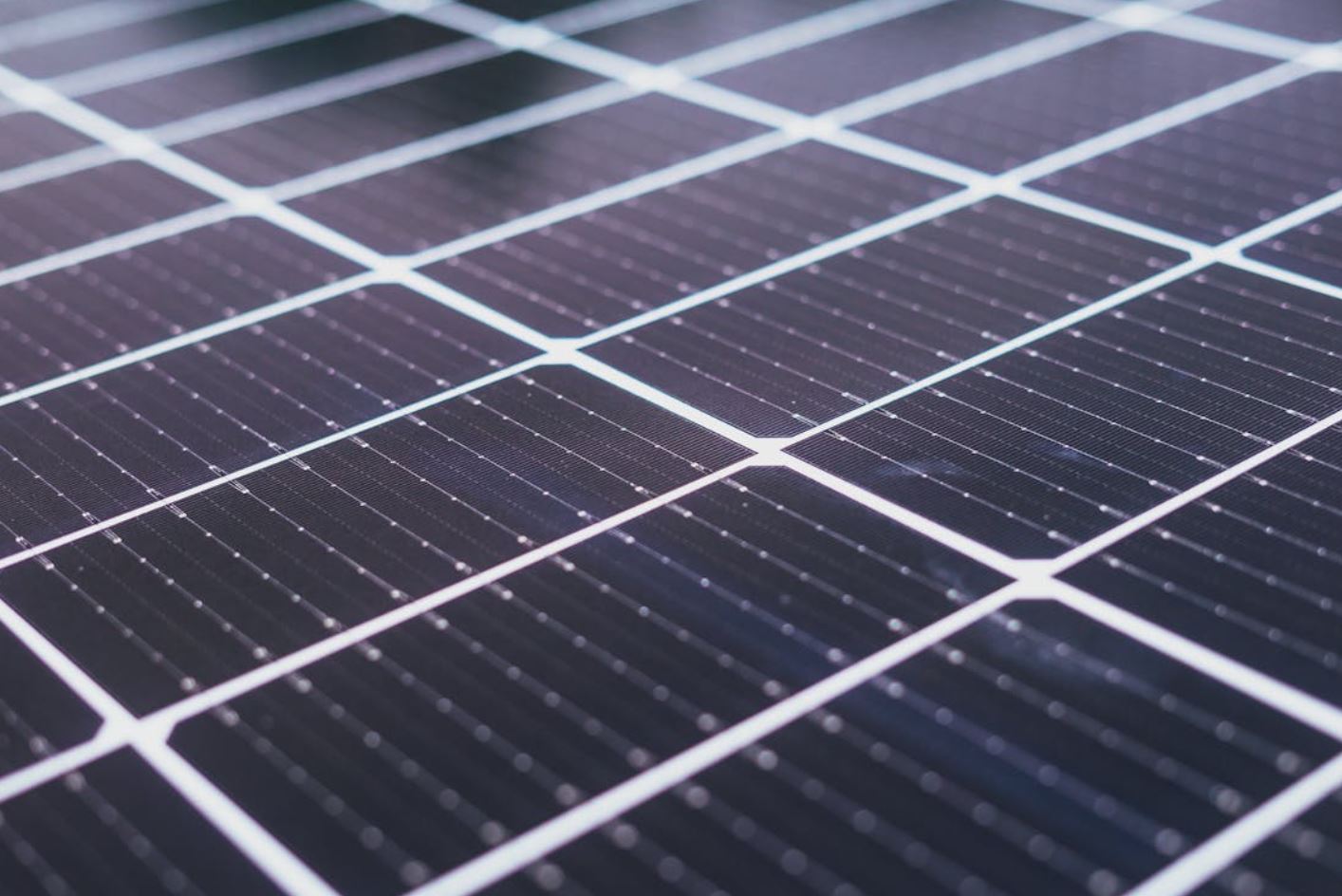
For the first time in modern history, renewables—led by solar and wind—accounted for over 40% of global electricity generation in the first half of 2025, edging out coal’s 39%. This surge is driven by unprecedented deployment rates: the world added more than 500 gigawatts (GW) of solar capacity in 2024 alone—equivalent to installing the entire U.S. power grid’s worth of solar panels in just two years.
China remains the undisputed leader in renewable expansion, responsible for nearly half of all new solar and wind installations globally. Meanwhile, the European Union, spurred by the REPowerEU plan and strengthened climate legislation, has doubled its annual renewable additions since 2020. Even traditionally fossil-fuel-dependent regions like India and parts of Southeast Asia are accelerating their clean energy transitions.
“This is not just a symbolic victory—it’s a structural shift,” said Dr. Lena Bergström, energy systems analyst at the Stockholm Environment Institute. “The economics have flipped. In most of the world, building new solar or wind is now cheaper than running existing coal plants.”
The Gap Between Progress and Promise
Yet, despite these gains, global carbon emissions remain stubbornly high. The IEA reports that CO₂ emissions from energy use hit a new record in 2024, driven by surging demand in aviation, shipping, heavy industry, and—ironically—by the energy-intensive manufacturing of renewable infrastructure itself.
“The electricity sector is decarbonizing faster than expected, but it only accounts for about 20% of total global emissions,” warned Dr. Arjun Mehta, climate policy lead at the Grantham Research Institute. “Transport, agriculture, cement, steel, and petrochemicals are lagging far behind. You can’t solve the climate crisis by greening the grid alone.”
Moreover, the pace of renewable deployment, while impressive, still lags behind what’s required under the Paris Agreement’s 1.5°C pathway. The IEA estimates that annual clean energy investment must triple by 2030 to align with net-zero goals—a target that remains out of reach without massive policy intervention and international financing.
The Nordic Paradox: Leaders at Home, Complicit Abroad?
Nordic countries—long hailed as climate vanguards—offer a cautionary tale. Sweden, Denmark, and Finland boast some of the world’s cleanest grids, with renewables covering over 60% of electricity demand. Norway runs almost entirely on hydropower. Yet, their national oil companies—Equinor (Norway), Aker BP (Norway), and even Danish pension funds with fossil holdings—continue to invest billions in new oil and gas exploration, particularly in the Arctic and North Sea.
“The Nordics are walking a tightrope,” said climate economist Dr. Sofia Lindqvist of Copenhagen Business School. “Domestically, they’re models of sustainability. But through their sovereign wealth funds and energy exports, they remain deeply entangled in the fossil economy. Climate leadership requires coherence—not just clean grids at home while profiting from emissions abroad.”
Beyond Electricity: The Hard-to-Abate Sectors
Even if the world achieves 100% renewable electricity by 2040—a feat many models consider plausible—the harder challenge lies ahead. Heavy industries like steelmaking and cement production rely on high-temperature heat that’s difficult to electrify. Long-haul aviation and maritime shipping lack scalable zero-emission fuels. And global energy demand continues to rise, especially in fast-growing economies.
Green hydrogen, advanced nuclear, carbon capture, and circular economy models are often cited as solutions—but most remain in pilot phases or face steep cost and scalability hurdles. “We’re betting on technologies that don’t yet exist at scale,” said Mehta. “Hope is not a strategy.”
A Narrow Window Remains
The good news? The renewable tipping point proves that systemic change is possible. Public support for climate action remains strong across Europe and increasingly in the Global South. Battery storage costs have fallen 90% in the last decade, enabling 24/7 clean power. And digitalization, smart grids, and demand-side management are unlocking new efficiencies.
But time is running out. The UN’s latest Emissions Gap Report warns that current policies put the world on track for 2.5–2.9°C of warming by 2100—well beyond the thresholds that scientists say would trigger irreversible ecological collapse.
“Renewables overtaking coal is a necessary milestone—but it’s not sufficient,” concluded Dr. Bergström. “It’s like winning the first lap of a marathon while the stadium is on fire. We need to run faster, smarter, and together.”
The question is no longer whether the world can transition to clean energy—but whether it can do so quickly and comprehensively enough to preserve a liveable planet. The answer, experts say, hinges not on technology alone, but on political will, global equity, and a fundamental rethinking of growth itself.
Nordic Business Journal is a leading source of insight on sustainable economics, energy policy, and innovation across Scandinavia and the wider European region.