
A sharp and sustained rise in drone-related incidents near Swedish airports is raising serious concerns among aviation authorities, airport operators, and regulators. New data from the Swedish Transport Agency (Transportstyrelsen) reveals that the number of drone sightings deemed to have compromised flight safety has more than doubled since 2020—escalating from 21 incidents that year to 46 in 2024. Alarmingly, 35 such incidents were already recorded in the first six months of 2025 alone, signalling an accelerating trend with potentially catastrophic consequences.
High-Stakes Disruptions
Recent events underscore the operational and safety risks posed by unauthorized drone activity. In late September 2025, a commercial aircraft approaching Sundsvall-Timrå Airport was forced to circle for nearly 40 minutes after a drone was reportedly spotted in its flight path. Similarly, Stockholm Arlanda Airport—the country’s busiest—was shut down for 90 minutes in September 2024 due to a drone alert, disrupting dozens of flights and stranding thousands of passengers.
“These are not minor inconveniences,” says Jesper Löw, CEO of Norrköping Airport. “If a drone enters controlled airspace during takeoff or landing, the risk of a mid-air collision is real and potentially devastating. We cannot afford to treat this as anything less than a critical safety issue.”
Surge in Drone Use Fuels Risk
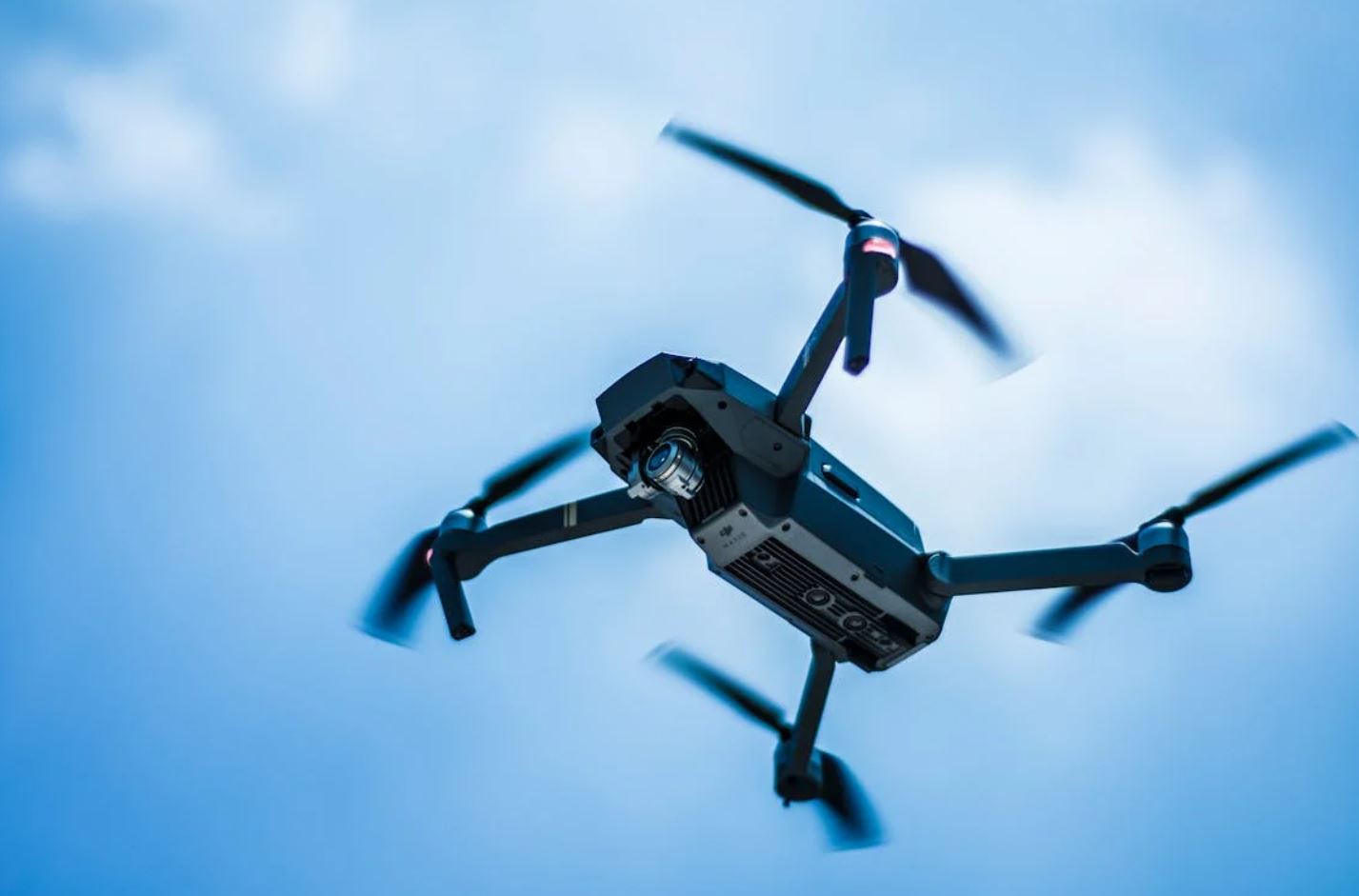
The primary driver behind the spike in incidents appears to be the rapid proliferation of drone ownership. According to Jörgen Andersson, Head of the Airspace and Airports Section at the Swedish Transport Agency, the number of registered drone operators in Sweden has grown significantly over the past five years. “More drones in the sky inevitably means more opportunities for unsafe operations—especially near airports, where the consequences are most severe,” he notes.
However, not all reported sightings involve actual drones. Andersson cautions that visual identification—particularly at night or from a distance—is notoriously unreliable. “In many cases, what was initially reported as a drone turned out to be a conventional aircraft, helicopter, satellite, or even a bright star,” he explains. To address this, the Transport Agency has refined its reporting criteria: only incidents verified by air traffic control personnel or deemed to have directly impacted flight safety are included in official statistics.
Regulatory Response: Training and Tougher Penalties
In response to the growing threat, Swedish authorities are strengthening enforcement and education efforts. Since January 2025, stricter penalties have been in effect for unauthorized drone operations in restricted airspace. Violators now face fines or up to six months in prison—a significant escalation from previous sanctions.
“We believe these consequences will act as a strong deterrent,” says Andersson. “But enforcement alone isn’t enough. Drone operators must understand the rules before they fly.”
To that end, the Transport Agency is intensifying its push for mandatory safety training for all drone users. Under EU-wide regulations (EU 2019/947), recreational and commercial drone pilots must complete an online theoretical exam and register their devices if they weigh over 250 grams. Yet compliance remains inconsistent, particularly among casual users unaware of the legal and safety implications.
A Nordic and European Challenge
Sweden’s experience mirrors a broader regional trend. Just last month, Copenhagen’s Kastrup Airport faced major disruptions after multiple drone alerts grounded flights for several hours—only for investigators to later conclude that no drones were present. The incident highlights the operational paralysis that even false alarms can cause, as safety protocols require immediate airspace clearance.
Across Europe, aviation authorities are investing in drone detection and countermeasure systems, including radar, RF detection, and geofencing technologies. While Sweden has begun piloting such systems at select airports, nationwide deployment remains limited due to cost and regulatory complexity.
As drone usage continues to grow—driven by both commercial applications and hobbyist interest—the balance between innovation and safety will become increasingly delicate. Experts warn that without greater public awareness, stricter enforcement, and advanced detection infrastructure, the risk of a serious aviation incident will only rise.
“The skies are shared space,” says Löw. “Responsible drone use isn’t optional—it’s essential for the safety of everyone who flies.”
For now, Swedish authorities are urging drone operators to check airspace restrictions via official apps like Luftfartsverket’s drone map, complete required training, and never fly near airports. In an era of increasingly crowded airspace, vigilance from both regulators and the public is no longer just advisable—it’s imperative.