
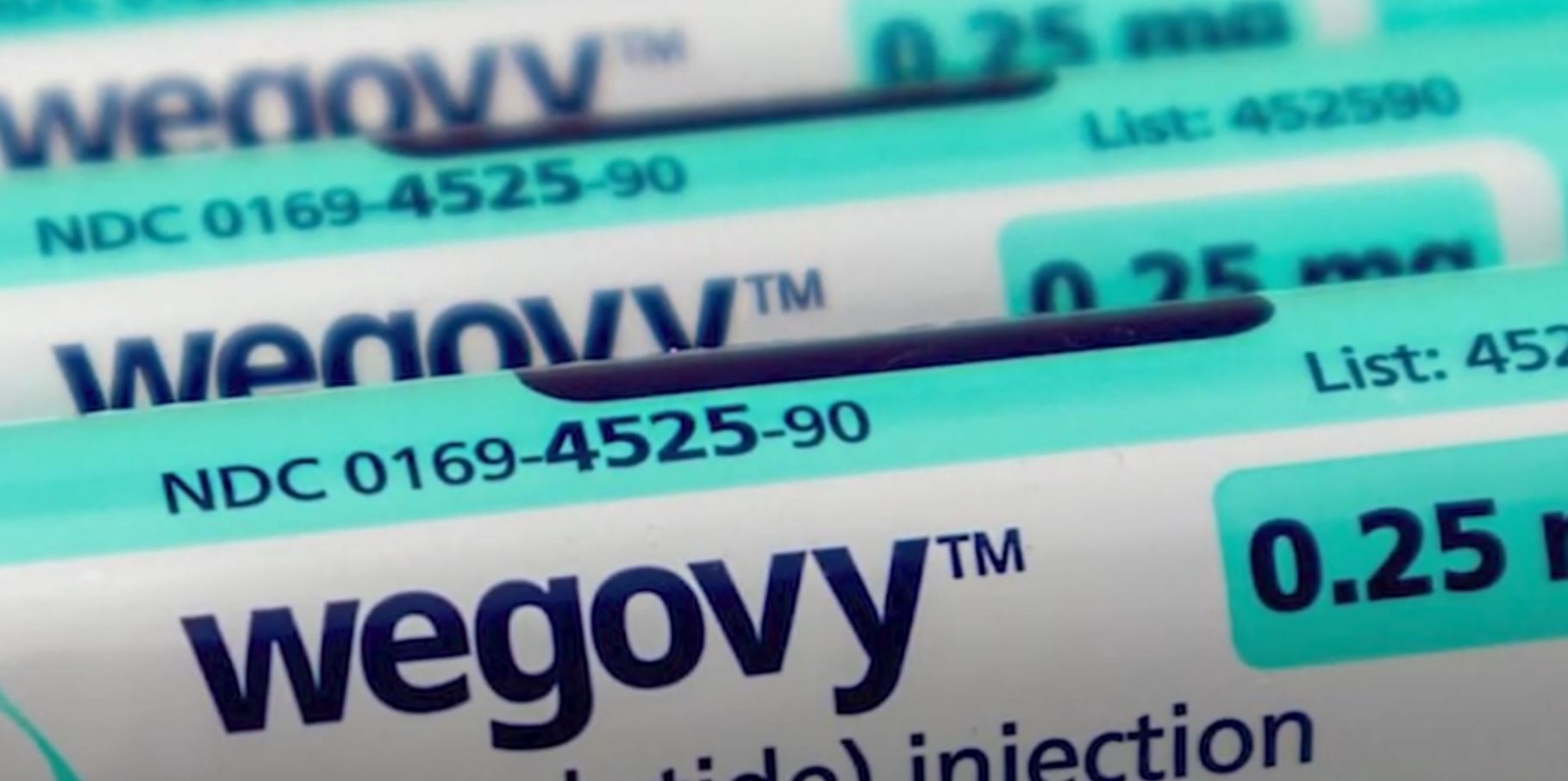
COPENHAGEN / NEW YORK — Novo Nordisk is escalating its legal campaign in the United States, having filed 132 lawsuits against pharmacies and clinics distributing compounded versions of its blockbuster GLP-1 drugs, including Wegovy and Ozempic. While the Danish pharmaceutical giant frames its actions as a necessary defence of patient safety, a growing coalition of patient advocates warns that cracking down on these lower-cost alternatives could drive vulnerable Americans into a dangerous, unregulated gray market.
The Rise of Compounded GLP-1s
For over a year, millions of Americans have turned to compounded semaglutide—a custom-mixed version of Novo Nordisk’s active ingredient—as a more affordable alternative to branded GLP-1 medications, which can cost upwards of $1,300 per month without insurance. These compounded formulations became widespread during 2022–2024, when global shortages of Wegovy and Ozempic left patients with few options. Under U.S. Food and Drug Administration (FDA) guidelines, compounding is permitted during drug shortages to ensure continued patient access.
But even as Novo Nordisk has significantly ramped up production—announcing in mid-2025 that supply constraints for Wegovy in the U.S. have largely been resolved—the demand for compounded alternatives remains robust. Industry estimates suggest that nearly 1 million Americans continue to rely on these versions, often paying between $200 and $400 monthly.
Novo Nordisk’s Safety Argument
Novo Nordisk maintains that compounded GLP-1s pose serious health risks. In a statement to the Nordic Business Journal, the company emphasized that these products “have not undergone the rigorous clinical testing, manufacturing oversight, or regulatory review required for FDA-approved medicines.” The company cites documented cases of contamination, incorrect dosing, and hospitalizations linked to certain compounding pharmacies.
“We are committed to protecting patients from potentially unsafe products,” a Novo Nordisk spokesperson said. “Our legal actions are part of a broader strategy that includes public education, collaboration with U.S. regulators, and enforcement of intellectual property rights.”
The FDA has echoed these concerns. In September 2025, the agency issued a renewed warning about unapproved semaglutide products, noting that some compounded versions contained impurities or incorrect concentrations of the active ingredient.
The Activist Response: “You’re Pushing People Underground”
Yet patient advocates argue that eliminating compounded access without ensuring affordable alternatives is a public health gamble. Amanda Bonello, a California-based advocate and founder of the GLP-1 Collective, speaks from personal experience. Diagnosed with prediabetes and struggling with obesity, she turned to a compounded GLP-1 after insurance denied coverage for Wegovy.
“I lost 20 kilograms. My blood sugar normalized. I regained my mobility,” Bonello told the Nordic Business Journal. “But if you take away the only option I can afford, what’s left? The black market.”
Bonello’s concerns are not hypothetical. On platforms like Reddit, TikTok, and Telegram, a sprawling gray market has emerged where users purchase raw semaglutide powder—often sourced from overseas chemical suppliers—and self-reconstitute injections at home. These transactions operate entirely outside regulatory oversight, with no quality control, sterile handling, or medical supervision.
“This isn’t just risky—it’s reckless,” Bonello said. “But when the legal, regulated alternative costs more than your rent, people feel they have no choice.”
A Broader Access Crisis
The core issue, activists argue, is not compounding itself but the systemic failure of the U.S. healthcare system to provide equitable access to life-changing medications. While Wegovy is approved for chronic weight management, most U.S. insurers still classify obesity treatments as “cosmetic” or “lifestyle” interventions, excluding them from coverage.
Novo Nordisk and rival Eli Lilly have resisted calls to lower list prices, citing the high cost of R&D. But critics, including Bonello, point out that both companies have reaped extraordinary profits—Novo Nordisk’s 2024 net profit exceeded DKK 90 billion ($13 billion)—and benefited from decades of publicly funded research into GLP-1 biology.
“Public investment helped create this science,” Bonello said. “Now, the public can’t afford the outcome.”
Toward a Sustainable Solution
Bonello and her coalition are not advocating for unregulated compounding as a long-term fix. Instead, they demand structural reforms: mandatory insurance coverage for obesity medications, FDA pathways for lower-cost authorized generics, and eventual over-the-counter availability for stabilized formulations.
Their goal is pragmatic: “We want to walk into a pharmacy, show our insurance card, and pay $20—just like we do for blood pressure or cholesterol meds,” Bonello said.
In Washington, momentum is building. The bipartisan Treat Obesity Act, introduced in Congress in August 2025, would require Medicare and Medicaid to cover FDA-approved anti-obesity medications. Similar proposals are advancing in several states.
The Stakes for Novo Nordisk—and Public Health
Novo Nordisk’s aggressive litigation may succeed in curtailing unauthorised compounding, but it risks fuelling a more dangerous underground market. Public health experts warn that without parallel efforts to expand access through legitimate channels, the company’s legal victories could come at a human cost.
As the U.S. grapples with an obesity epidemic affecting over 40% of adults, the debate over GLP-1 access has become a litmus test for how society balances innovation, safety, and equity.
For now, Amanda Bonello continues her advocacy—not just for herself, but for the millions caught between unaffordable prescriptions and unsafe alternatives. “This isn’t about copying a drug,” she said. “It’s about saving lives.”