
The Nordic meat industry faces its most severe crisis in 160 years as cattle numbers plummet to historic lows, triggering unprecedented price surges and exposing fundamental vulnerabilities in regional food security.
Key Findings
- Swedish ground beef prices have surged 16% year-over-year, while farm-gate beef prices have jumped nearly 80% since 2019
- Nordic cattle herds have fallen below 1.4 million animals—the lowest level since record-keeping began in 1866
- EU beef production is forecast to decline 1.3% in 2025, with exports dropping 4% due to uncompetitive pricing
- Regional consumption paradoxically increased 2% in 2024 despite record prices, highlighting inelastic demand
The Production Crisis
The Nordic meat industry is experiencing a structural collapse that extends far beyond normal market cyclicality. Sweden’s cattle population has halved since the 1930s, with the number of suckler cows—essential for herd reproduction—continuing to decline at an accelerating pace.
“This isn’t just a temporary supply squeeze,” explains Anna Hessle, researcher at the Swedish University of Agricultural Sciences. “We’re witnessing the slow-motion dismantling of an entire production system that took generations to build.”
The crisis stems from a perfect storm of factors: prolonged generational change delays, with younger farmers exiting agriculture; soaring input costs for diesel, electricity, and fertilizer; and Swedish meat prices that remained tens of percentage points below EU averages for years, discouraging investment.
Market Dynamics and Price Reality
While Nordic consumers face sticker shock at grocery stores, industry analysts argue that current prices merely reflect true production costs after years of undervaluation. Swedish farmers now receive approximately 70 SEK per kilogram for beef, yet this represents survival pricing rather than profiteering.
“The narrative that meat is becoming ‘luxury’ products misses the point,” notes Isabel Moretti, agricultural economist. “Nordic meat was systematically underpriced for decades. What we’re seeing is price discovery meeting reality.”
Comparative analysis reveals Nordic meat prices remain competitive globally. Norwegian beef retails at 479 NOK/kg ($47.32), while premium cuts in Stockholm restaurants command premium prices that reflect genuine scarcity rather than artificial inflation.
Geopolitical Implications
The Nordic meat crisis intersects with broader European food security concerns. EU beef imports are projected to rise 5% in 2025, primarily from Mercosur countries, while exports decline due to uncompetitive pricing. This trade imbalance carries significant climate implications—South American beef typically generates 50-80% higher carbon emissions than Nordic production.
“Every kilogram of Nordic beef we lose to imports represents not just economic value leakage, but environmental compromise,” warns Henrik Lander, chairman of Sweden’s beef producers. “Our grass-based production systems utilize land unsuitable for crops while maintaining cultural landscapes.”
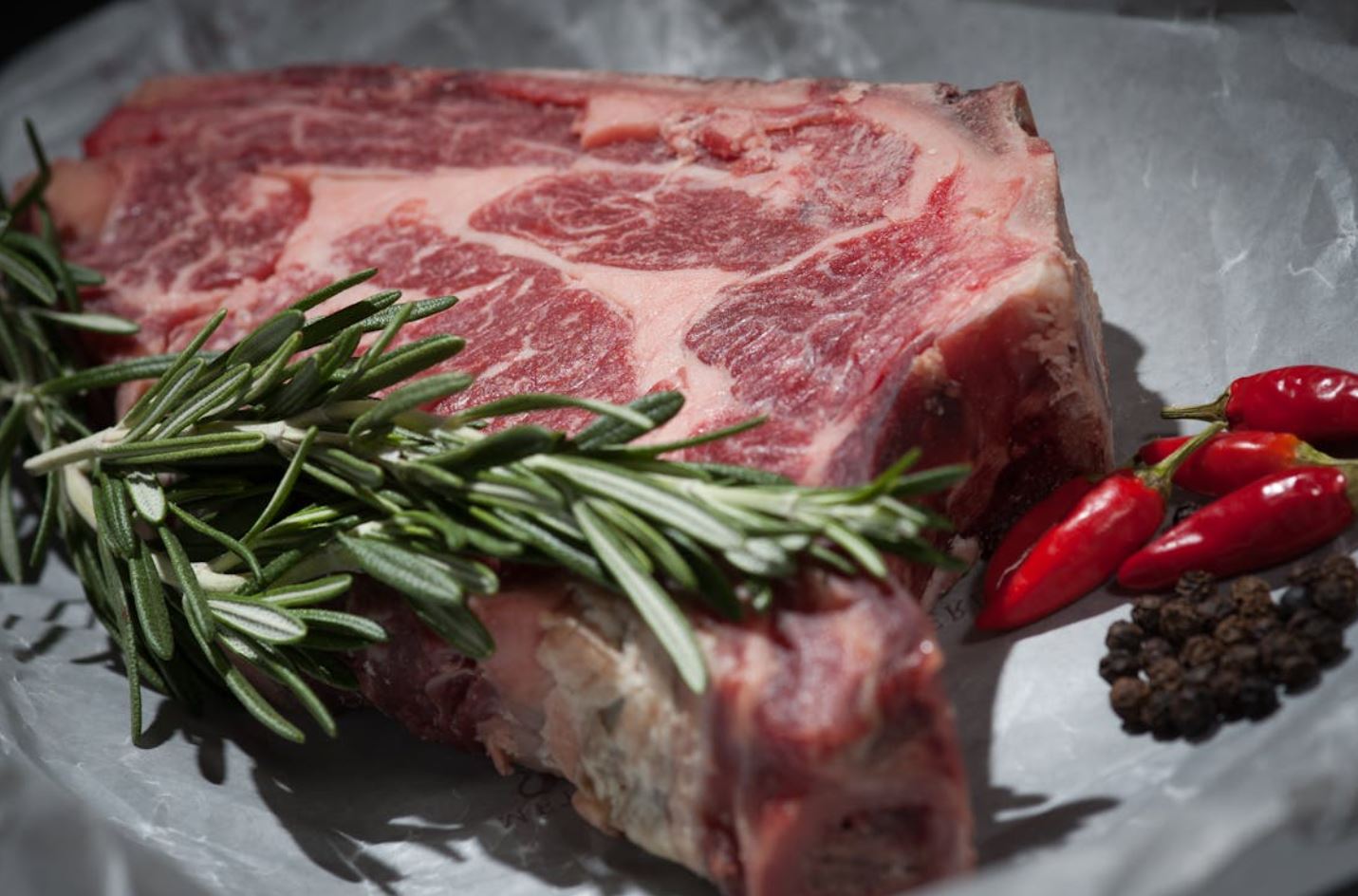
Consumer Behaviour Shift
Contrary to expectations, Nordic consumers are increasing meat consumption despite record prices, with total meat consumption rising 2% in 2024. This pattern defies conventional economic theory and suggests meat has become what economists term a “Giffen good”—where demand increases with price within certain parameters.
The decline in vegetarian alternatives and organic meat sales indicates consumers are prioritizing quantity over sustainability credentials when faced with higher baseline costs. Meanwhile, specialty restaurants like Stockholm’s Teuf—offering single-entree menus focused on premium beef—are flourishing, suggesting consumers seek quality experiences over volume.
Investment Implications
The current crisis presents both opportunities and warnings for investors. Nordic meat production requires substantial capital investment to rebuild herds, with 3–5 year lead times before increased supply reaches markets. Companies positioned to support herd rebuilding—genetics firms, feed suppliers, and processing infrastructure—may benefit from government support programs.
However, the industry’s structural challenges suggest consolidation is inevitable. Smaller producers lacking economies of scale will likely exit, creating opportunities for well-capitalized operations to acquire land and quota rights at distressed valuations.
Outlook and Recommendations
The Nordic meat crisis is unlikely to resolve quickly. EU production forecasts indicate continued decline through 2026, while global demand remains robust. Nordic governments face policy decisions balancing food security, environmental commitments, and rural economic sustainability.
Strategic recommendations include:
- Immediate government support for herd rebuilding programs
- Investment in production efficiency technologies
- Development of regional trade agreements prioritizing climate-efficient meat
- Consumer education on true cost of sustainable meat production
The Nordic region must decide whether to maintain strategic autonomy in meat production or accept increased dependence on imports. With climate change intensifying global food system pressures, the cost of choosing incorrectly extends far beyond supermarket prices.
This analysis is based on data from the Swedish Board of Agriculture, European Commission, and Nordic agricultural research institutions. Price data reflects October 2025 market conditions.