
The Swedish Riksbank has maintained its policy rate at 1.75%, as widely anticipated, signalling a cautious stance amid lingering economic fragility despite signs of stabilization. While inflation remains under control, persistent weakness in the labour market and subdued household consumption continue to weigh on the recovery—factors that have prompted the central bank to defer any tightening cycle likely until 2027.
In its latest monetary policy decision, the Riksbank’s Executive Board emphasized that although preliminary data showed slightly stronger-than-expected GDP growth in Q3 2025, the broader economic picture remains subdued. “The labour market continues to develop weakly, although there are now tentative signs of improvement,” the Board noted in its official statement. “Overall, the inflation and economic outlook remains broadly stable—but risks persist.”
A Delicate Balancing Act
The September 2025 rate cut—by 25 basis points—now appears to mark the end of the current easing phase. Markets and analysts alike expect the next move to be a rate hike, not another cut. However, the timing has shifted markedly later than previously projected. Most forecasters now anticipate the first increase will not occur before mid-2027, contingent on a durable exit from recession and clearer signs of labour market healing.
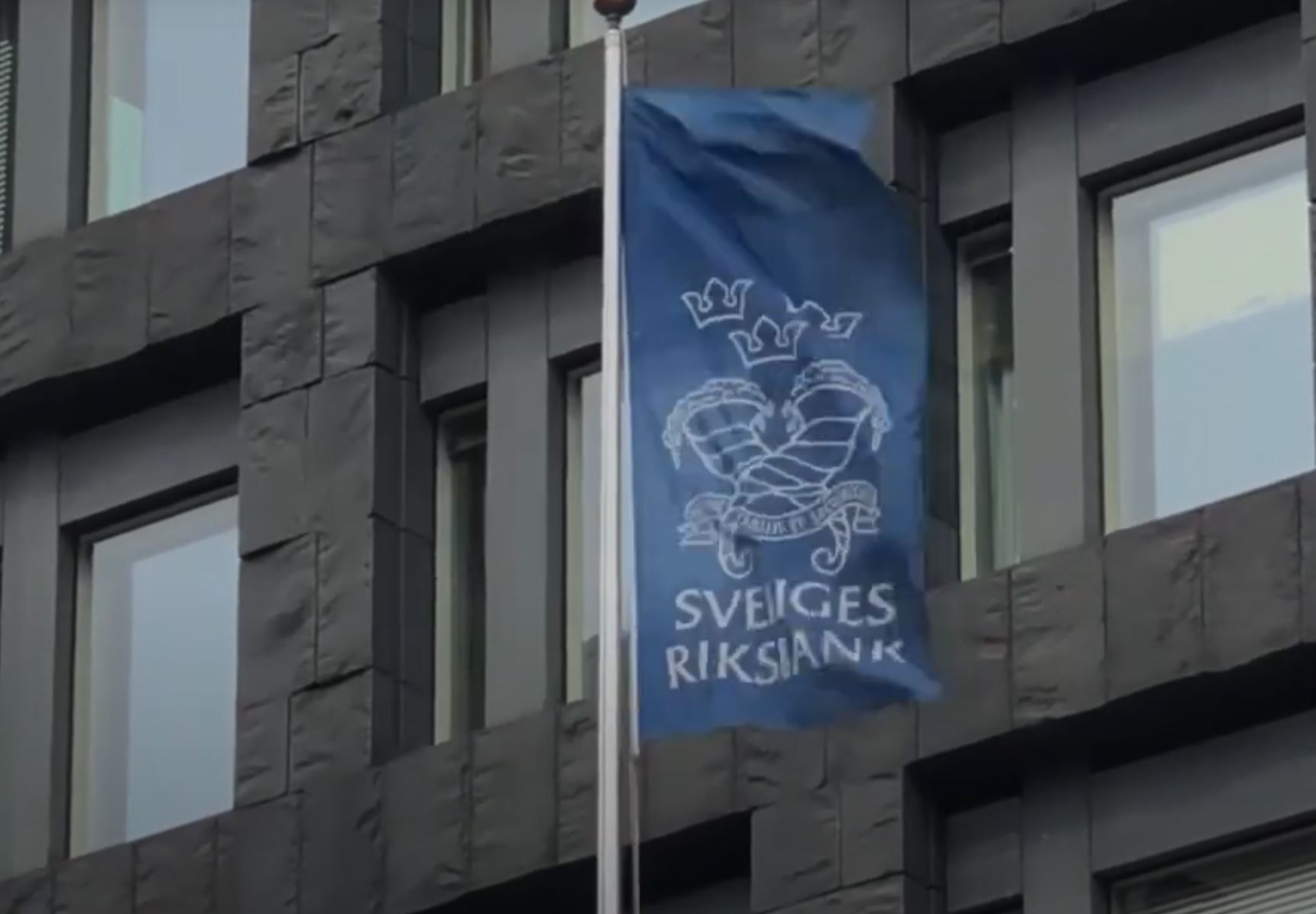
This delay reflects the Riksbank’s heightened sensitivity to downside risks. While headline inflation has cooled to within the central bank’s 2% target band, the underlying drivers of economic stagnation remain entrenched: cautious consumer spending, elevated unemployment, and soft business investment.
Key Risks on the Horizon
In its updated forecast, the Riksbank explicitly flagged two major sources of uncertainty:
1. Fiscal Policy Spillovers: The Swedish government’s recently enacted expansionary budget—featuring increased public spending and targeted tax relief—could add unexpected upward pressure on inflation if economic activity rebounds faster than anticipated.
2. Household Behaviour: Despite falling interest rates, Swedish households remain hesitant to spend, preferring to save or pay down debt. This caution is prolonging the recessionary drag and complicating the transmission of monetary policy.
The balance of risks remains tilted toward the domestic economy,” said a senior Riksbank official in a post-decision briefing. “While external conditions have stabilized somewhat, domestic demand is the critical missing link for a sustainable recovery.”
Outlook: Patience with a Hawkish Bias
The Riksbank’s stance is best described as “patient but vigilant.” While it has ruled out further cuts for the foreseeable future, it is unwilling to tighten prematurely. The central bank’s baseline scenario now envisions a gradual return to neutral monetary policy—starting in 2027—assuming labour market conditions improve and fiscal impulses do not derail inflation control.
For businesses and investors, the message is clear: the era of ultra-low rates in Sweden is ending, but the normalization process will be slow, data-dependent, and highly sensitive to shifts in consumer confidence and government policy.
The Nordic Business Journal will continue to monitor Riksbank communications and economic indicators closely, with a particular focus on Q4 labour data and the fiscal impact of the 2026 budget implementation.