
A severe carbon monoxide (CO) poisoning incident at a youth party in Lørenskog, just outside Oslo, has exposed systemic failures in event safety protocols, public awareness, and municipal oversight—raising urgent questions about regulatory enforcement in Norway’s rapidly growing underground party scene.
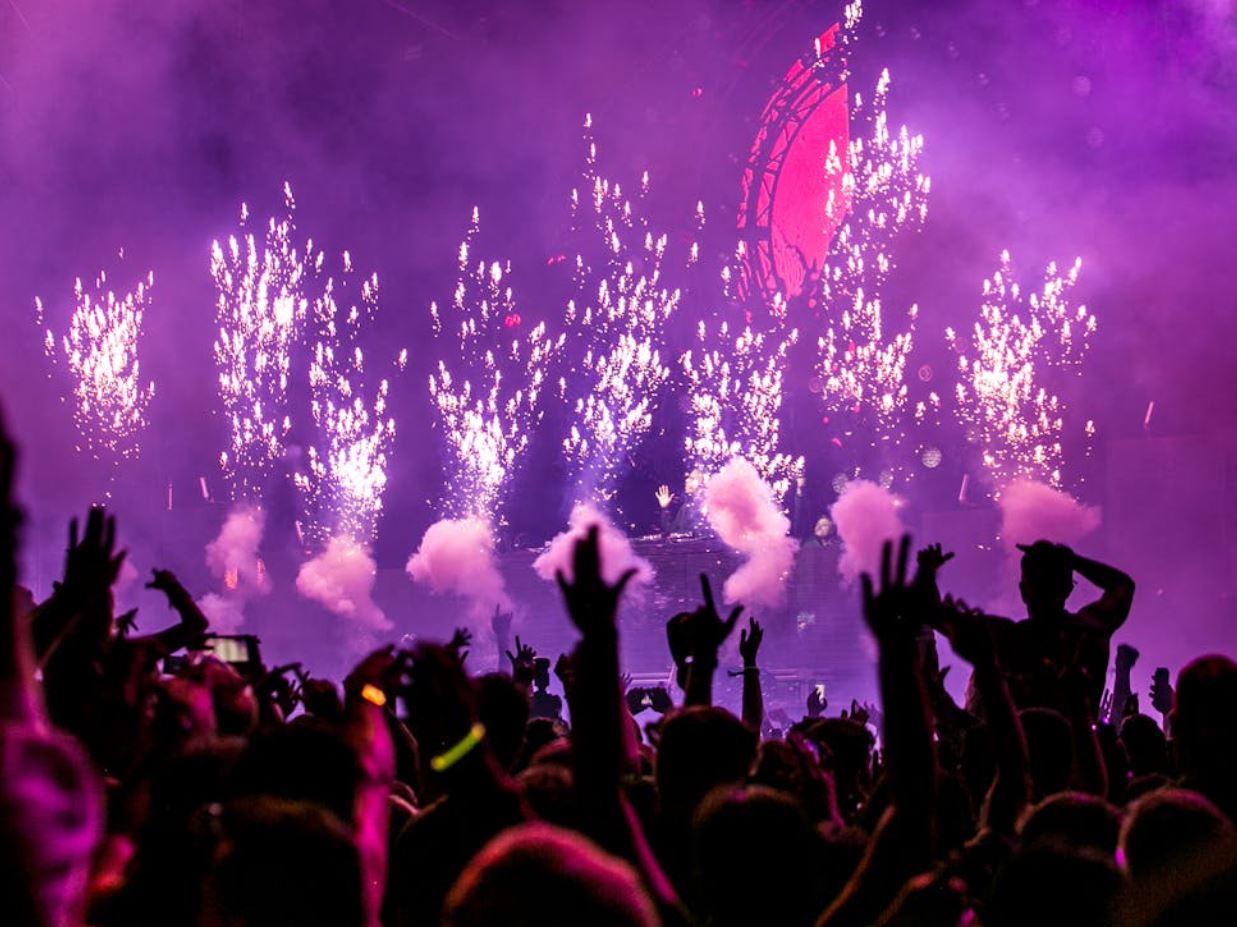
On the evening of November 7, 2025, approximately 400 attendees gathered for a Russian-themed “Winter Masquerade” party in a poorly ventilated warehouse facility. To power lighting, sound systems, and heating, organizers illegally operated a diesel generator indoors—directly in a confined space with all windows and doors sealed. The result: a lethal buildup of carbon monoxide, an odourless, colourless, and tasteless gas produced by incomplete combustion of fossil fuels.
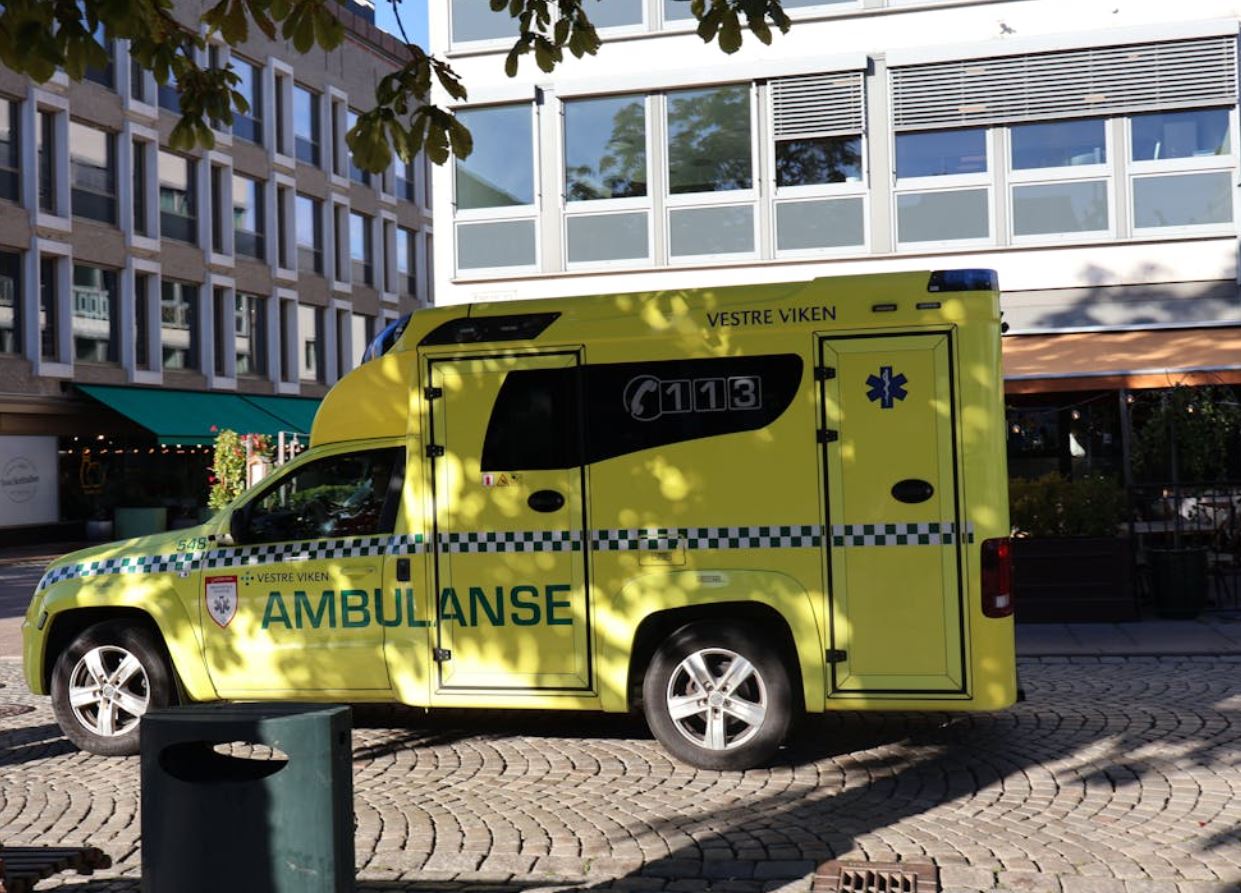
By early morning on November 8, emergency services were called to the scene after multiple attendees collapsed. A total of 32 individuals exhibited acute symptoms of CO poisoning—headache, dizziness, nausea, confusion, and respiratory distress. Of these, 21 were hospitalized at Akershus University Hospital (Ahus), with three in critical condition requiring hyperbaric oxygen therapy. All patients are now stable, but long-term neurological monitoring is recommended due to the known risks of delayed neuropsychological sequelae following CO exposure.
Key Findings & Regulatory Failures
1. Illicit Use of Fuel-Burning Equipment in Enclosed Spaces
Diesel generators are explicitly prohibited for indoor use under Norway’s Fire Safety Regulations (Brannsikkerhetsforskriften § 12) and the Norwegian Labour Inspection Authority’s guidelines for temporary events. Yet, organizers bypassed all safety protocols, reportedly ignoring visible warning labels on the generator and failing to secure permits for public gatherings or electrical infrastructure. The generator’s exhaust was not vented externally—a fundamental violation of basic industrial safety standards.
2. Lack of Event Permitting and Oversight
Although the event attracted an estimated 400 attendees, no formal permit was filed with Lørenskog Municipality for a public assembly of this scale. Under Norwegian law, gatherings exceeding 100 people in non-designated venues require notification to local authorities and a risk assessment—including ventilation, fire safety, and emergency exit plans. The absence of oversight allowed this high-risk scenario to unfold unchallenged.
3. Public Health Response: Delayed and Reactive
While health authorities have since issued public alerts urging attendees to seek medical care, the response was delayed. No real-time monitoring or pre-event risk screening was conducted. The incident underscores a broader pattern: Norway’s public health system remains reactive rather than proactive in addressing underground party risks, particularly among youth demographics.
4. Police Investigation Opens Path to Criminal Liability
The Norwegian Police Service has opened a formal criminal investigation under Section 286 of the Norwegian Penal Code (endangering public safety through negligence). Organizers and property owners may face charges of gross negligence, potentially leading to fines or imprisonment. Authorities are also examining whether the venue’s landlord knowingly permitted unsafe conditions.
Broader Implications for Nordic Event Safety
This is not an isolated case. Similar incidents have occurred in Sweden (Stockholm, 2023) and Finland (Helsinki, 2022), where underground parties using generators in warehouses led to mass CO poisonings. In Denmark, mandatory safety certification for event organizers has been implemented since 2023, with penalties for non-compliance. Norway, by contrast, continues to rely on voluntary compliance and fragmented municipal enforcement.
Nordic Business Journal Analysis:
The Lørenskog tragedy is a stark warning to event planners, venue operators, and municipal regulators across the Nordic region. As the “party economy” expands—fuelled by social media promotion and demand for immersive, themed experiences—the regulatory framework has not kept pace.
- Economic Risk: Event organizers often operate without insurance, liability coverage, or safety training. A single incident can trigger multi-million-NOK liability claims and long-term reputational damage to local economies.
- Insurance Implications: Norwegian insurers are now reviewing coverage policies for event liability, with potential premium hikes for venues hosting unlicensed gatherings.
- Corporate Responsibility: Businesses that rent out industrial spaces for parties—such as warehouses or garages—must now be held accountable under the Norwegian Product Liability Act if they knowingly enable unsafe conditions.
Recommendations for our Nordic Policymakers and Industry Stakeholders
1. Mandate Event Safety Certification
Adopt a Denmark-style model: require all events over 50 attendees to obtain certified safety permits, including ventilation audits and emergency response plans.
2. Launch Public Awareness Campaigns
Partner with youth influencers and universities to disseminate targeted messaging: “No Generator Indoors. CO Kills Without Warning.”
3. Deploy CO Detectors in High-Risk Venues
Municipalities should install mandatory, tamper-proof carbon monoxide alarms in warehouses, garages, and other non-residential spaces commonly used for parties.
4. Strengthen Interagency Coordination
Create a Nordic Task Force on Event Safety, involving police, fire departments, health authorities, and municipal regulators to share intelligence and enforce compliance.
Final Word
Carbon monoxide poisoning is preventable. It does not require complex technology or vast resources to mitigate—only common sense, regulatory will, and enforcement. The 21 young people hospitalized in Lørenskog are lucky to be alive. Others may not be.
This incident is not merely a tragedy—it is a systemic failure. The Nordic region prides itself on safety, innovation, and social responsibility. It is time to apply those values to the shadows of its party scene.
— Nordic Business Journal, Safety & Regulation Desk
Last updated: November 9, 2025 | 14:30 CET
Sources: Akershus University Hospital, Lørenskog Municipality, Norwegian Police, Norwegian Directorate for Civil Protection (DSB), WHO Guidelines on Carbon Monoxide Exposure (2024)
Editor’s Note: If you or someone you know attended the Lørenskog party and experienced symptoms such as headache, nausea, dizziness, or confusion—even if they seemed mild—seek medical evaluation immediately. Carbon monoxide poisoning can cause irreversible brain damage days after exposure. Contact your local emergency service or visit www.helsedirektoratet.no for guidance.