
Stockholm, November 20, 2025 — Electricity spot prices in northern Sweden have experienced a dramatic spike, surging from under 0.10 SEK/kWh to over 1.00 SEK/kWh within a single week, according to data from the Nordpool Spot market—the primary wholesale benchmark for retail electricity pricing across the Nordic region. This sharp upward trajectory signals a critical tightening in regional energy supply dynamics, with implications extending beyond consumer bills to industrial operations and grid stability.
Drivers of the Price Surge
Two interrelated factors are driving this volatility:
1. Collapse in Wind Power Generation: Wind output across northern Sweden—a region that typically supplies over 40% of the country’s renewable electricity—has plummeted to near-record lows. According to the Swedish Meteorological and Hydrological Institute (SMHI), wind speeds in Norrbotten and Västerbotten counties have averaged less than 3 m/s over the past seven days, compared to a seasonal average of 7.5 m/s. This represents a more than 50% drop in potential generation capacity.
2. Unseasonably Cold Weather and Elevated Demand: A prolonged Arctic cold front has pushed heating demand across northern Sweden to levels not seen since 2021. The Swedish Energy Agency reports that regional electricity consumption has risen by 18% week-over-week, with residential and commercial heating loads accounting for nearly 70% of the increase. The timing is particularly precarious: hydropower reservoirs, typically a flexible buffer in winter, remain at just 68% of capacity—below the 10-year average of 76%—due to below-average autumn precipitation.
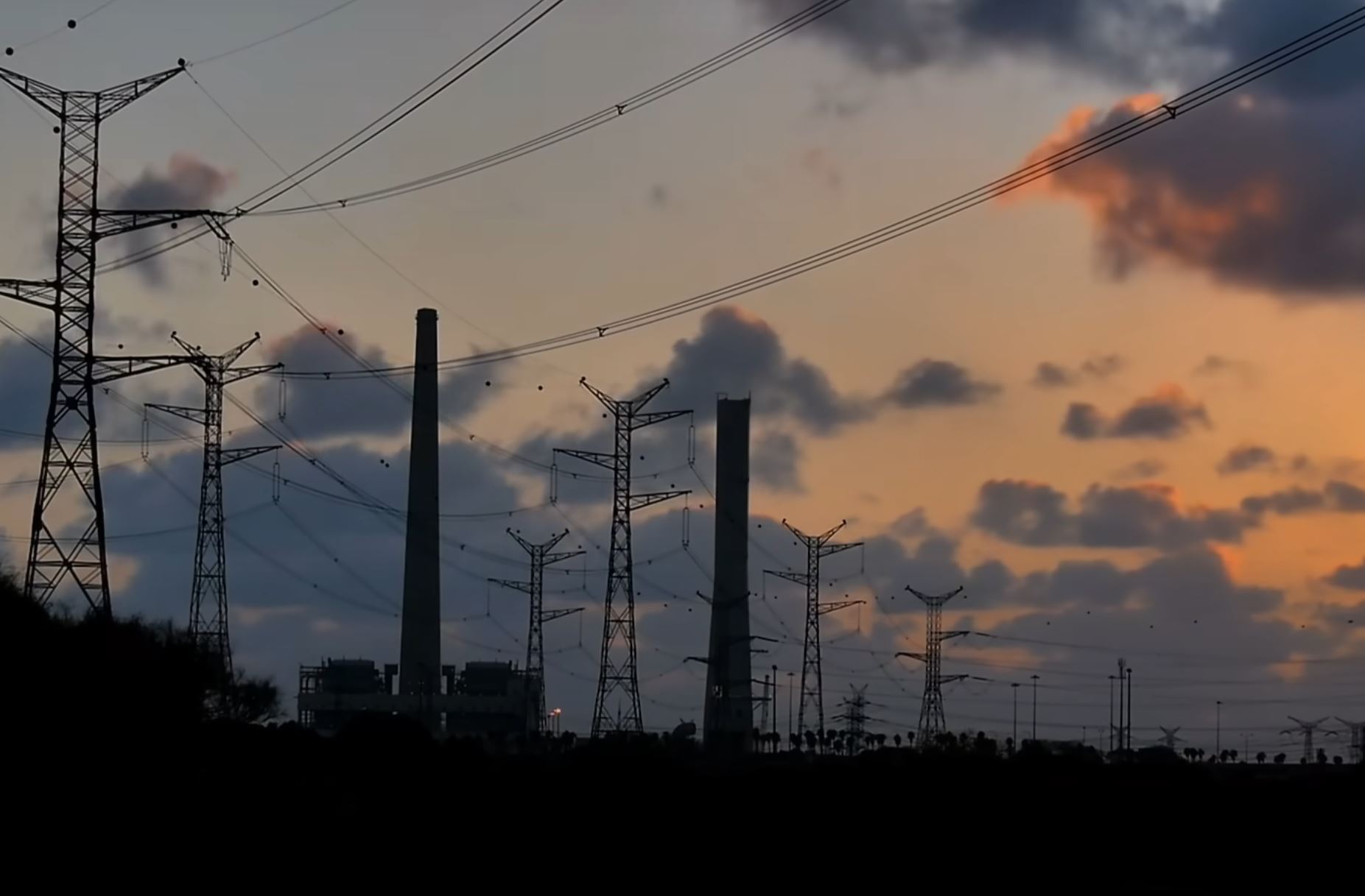
Market Impact: Who Pays the Price?
The surge is most acutely felt by consumers on hourly or quarter-hourly variable contracts, which directly reflect Nordpool spot prices. While these account for only approximately 25% of Swedish households (primarily younger, tech-savvy, or energy-conscious customers), they are now facing bills that could double or even triple compared to just one week ago.
The majority of Swedish consumers—roughly 75%—are on fixed monthly or annual contracts, which insulate them from daily price swings. However, this insulation is not without cost: energy retailers are now facing margin compression as they hedge against future volatility. Several major suppliers, including Vattenfall and E.ON Sweden, have announced they will reassess pricing structures for 2026 contracts, potentially leading to higher fixed rates across the board next year.
Broader Implications for the Nordic Grid
This event underscores a growing vulnerability in the Nordic power system: overreliance on intermittent renewables without sufficient complementary storage or dispatchable capacity. While Sweden’s grid is among the most decarbonized in Europe, the recent price spike highlights the risk of “renewables intermittency shock”—a phenomenon where calm, cold weather simultaneously depresses wind output and spikes demand.
Nordic Energy Analysts at the Stockholm Institute for Energy Transition warn that similar events are likely to become more frequent. “We are entering an era where weather extremes are no longer outliers—they are systemic risks,” said Dr. Lena Forsberg, lead energy economist. “Without accelerated investment in battery storage, demand-side flexibility, and cross-border interconnectors (particularly with Finland and Norway), the Nordics risk recurring price spikes that undermine both affordability and energy security.”
Policy and Market Responses
In response, the Swedish Energy Markets Inspectorate (Ei) has activated its emergency monitoring protocol and is coordinating with Nordic regulators to assess whether temporary market interventions—such as price caps or emergency reserve releases—are warranted. Meanwhile, Norway’s state-owned hydro operators are reportedly increasing exports to Sweden, helping to moderate the price spike. However, Norway’s own reservoir levels are also below average, limiting the extent of this relief.
Outlook and Recommendations
Short-term (next 2–4 weeks): Prices are expected to remain elevated until wind conditions improve or temperatures moderate. Consumers on variable contracts are advised to minimize non-essential usage during peak hours (5–9 PM).
Medium-term (2026): Retailers and regulators must prioritise the rollout of dynamic pricing tools, smart home technologies, and time-of-use tariffs to encourage load shifting. Investment in battery storage and green hydrogen pilot projects in northern Sweden must be fast-tracked.
Long-term: Sweden’s 2040 net-zero target remains viable—but only if grid resilience is treated as a strategic priority equal to decarbonization. The current episode is a wake-up call: a clean energy transition cannot be achieved by wind and solar alone. It requires a diversified, flexible, and robust system.
This analysis is based on real-time data from Nordpool Spot, the Swedish Energy Agency, SMHI, and interviews with industry experts as of November 20, 2025.
For institutional clients: Our Q4 Nordic Energy Outlook report, including scenario modelling for winter 2025–26, is available upon request.