
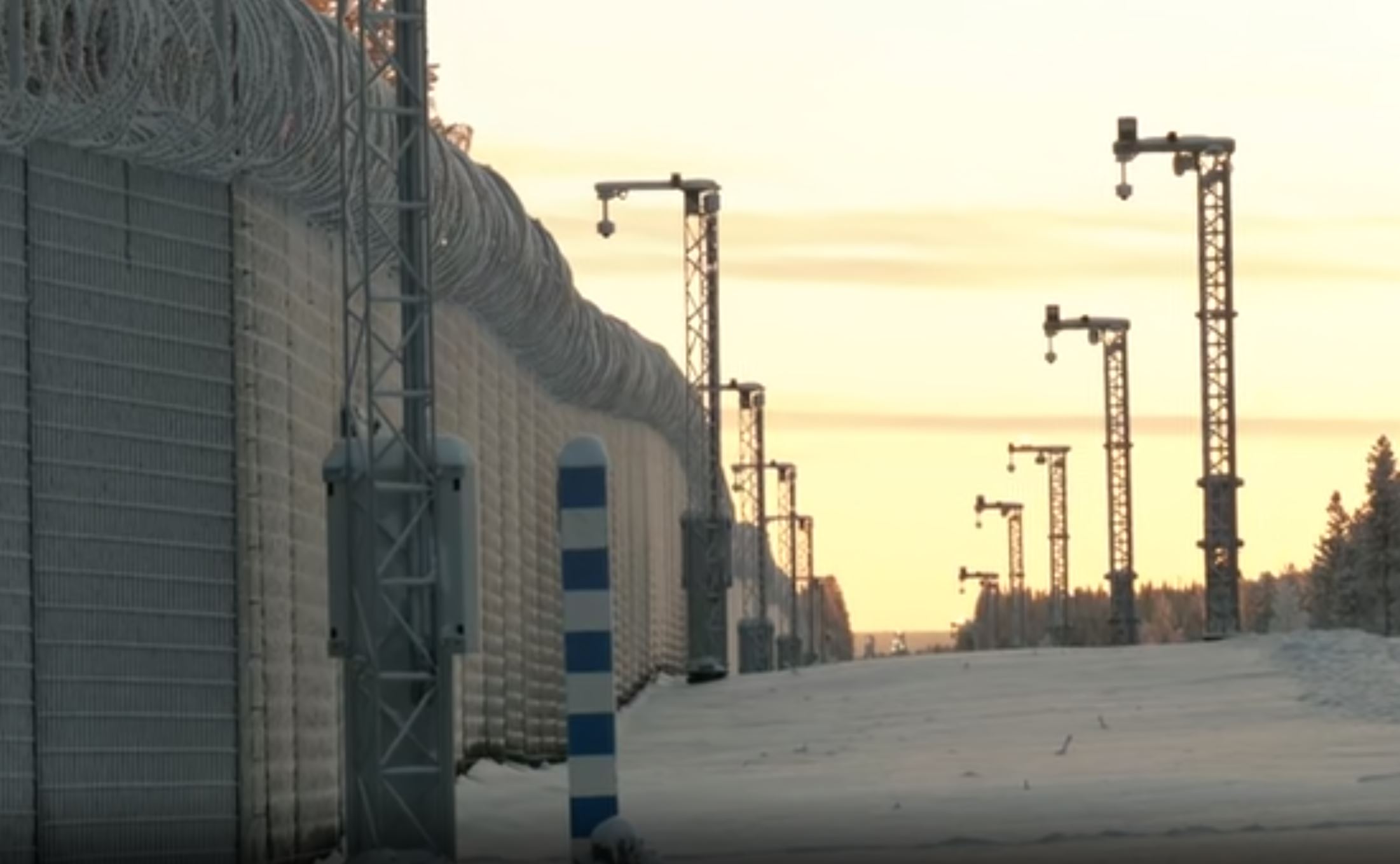
Finland is making significant strides in fortifying its border security with the construction of a 200-kilometer-long fence along its eastern border with Russia. The project, which began three years ago, is nearing completion and aims to enhance protection in areas with critical infrastructure and roads. The initiative comes in response to growing concerns about Russia’s increasing use of hybrid tactics, including the strategic manipulation of asylum seekers, to destabilize neighbouring regions.
Strengthening Border Defence
The 200-kilometer-long fence will primarily safeguard Finland’s border regions that feature roads and infrastructure, ensuring that these vulnerable areas are less susceptible to security breaches. A key objective of the fence is to prevent a repeat of the 2021 incident when Russia allegedly transported asylum seekers to Finland’s border in Salla, Lapland, in an apparent attempt to pressure Finland and the European Union. The fence is specifically designed to fortify these vulnerable points, including those where crossing the border is relatively easy due to proximity to infrastructure.
The project has received support from local communities in Lapland, who view the fence as a necessary and patriotic measure. Mikko Kauppila, deputy commander of the Lapland Border Guard, explained, “It’s patriotic.” This sentiment reflects the growing national consensus that border protection is a crucial aspect of Finland’s security strategy, especially in light of recent geopolitical tensions with Russia.
Border Security in a Changing Landscape
Finland shares a 1,300-kilometer border with Russia, making it one of the longest land borders in Europe. However, the new fence will not span the entire length of the border. It will focus primarily on areas with existing roads and infrastructure, where the risk of unauthorized crossings is higher. The fence will also cover areas near the old crossings that were previously easier to access, providing a stronger deterrent against potential incursions.
Despite these security measures, the population in northern Finland, particularly in the border villages, has been steadily decreasing. As the local population shrinks, the region’s ability to monitor the border diminishes. This decline in residents poses additional challenges for border security. According to Kauppila, fewer “eyes and ears” in the region make the job of border patrol officers more difficult, potentially increasing the risk of undetected cross-border movements. “It could also become a future security risk,” he warned, emphasizing the need for a robust physical and human presence along the border.
A Comprehensive Security Strategy
While the fence is an important component of Finland’s border security strategy, it is not a panacea. Finnish authorities are also investing in advanced surveillance technologies, including cameras, drones, and sensors, to monitor the border effectively. These technologies will complement the physical barrier, enabling a more comprehensive approach to border security.
The fence’s completion is expected to significantly bolster Finland’s defence capabilities and deter any future attempts at exploiting its border vulnerabilities. By securing critical infrastructure and reinforcing its northernmost territories, Finland is sending a clear message of resilience in the face of external threats.
Conclusion
The construction of a 200-kilometer border fence between Finland and Russia reflects a strategic decision to enhance national security and safeguard Finland’s sovereignty. Local support for the project, coupled with the challenging demographic shifts in northern Finland, underscores the importance of maintaining a strong border defence. As Finland continues to modernize its security infrastructure, the fence serves as both a physical barrier and a symbol of the country’s determination to protect its territory from evolving threats.